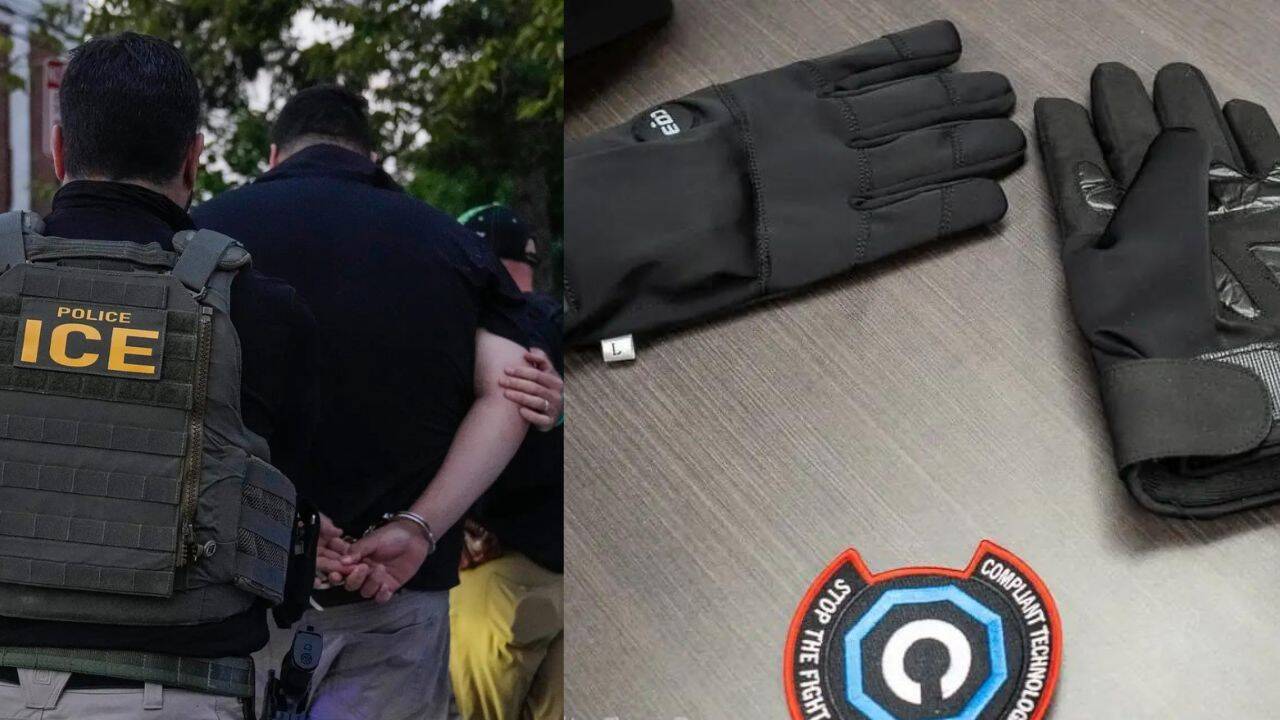
Immigration and Customs Enforcement wants to outfit its agents with gear straight out of a cyberpunk thriller. The agency plans to spend up to $20 million on specialized handwear that delivers painful electric shocks directly through human skin. If you've been following the expansion of federal enforcement tools, this massive procurement notice shouldn't come as a total shock—pun intended. But the sheer scale of the rollout raises hard questions about accountability, safety, and how immigration enforcement operates on the ground.
The Department of Homeland Security published a procurement notice detailing plans to purchase thousands of units known as GLOVE systems, an acronym for Generated Low Output Voltage Emitter. Manufactured by Compliant Technologies, these items look like standard patrol gear until an officer clicks a button on the back of the hand to arm the electrical circuit. Once activated, direct contact with bare skin sends a wave of high-voltage, low-amperage pulses designed to disrupt muscle control and force physical compliance within seconds. For another look, read: this related article.
Understanding the Technology Behind the Gear
Law enforcement technology has shifted heavily toward pain compliance tools as agencies look for alternatives to firearms. Unlike traditional Tasers that fire barbed probes from a distance or leave distinct contact marks, these gloves rely entirely on hands-on application.
The manufacturer and proponents argue that the system acts as a crucial force multiplier when officers struggle to extract resisting individuals from vehicles or tight spaces. Proponents often compare the initial jolt to a severe insect sting. It causes an involuntary flinch or distraction that lets an officer secure handcuffs without throwing punches or escalating to lethal force. Further reporting regarding this has been provided by Reuters.
Critics point out a darker reality. Civil rights organizations and legal experts argue that giving federal agents a concealed method of inflicting pain creates an immediate recipe for abuse. Because the activation mechanism is hidden right inside normal-looking gloves, a subject has zero warning before receiving a jolt.
The Controversy and Safety Concerns
The pushback against the planned $20 million acquisition has been swift and fierce. Democratic lawmakers and state attorneys general have openly condemned the move. New York Attorney General Letitia James warned that officers misusing the equipment within her state boundaries will face immediate civil and criminal scrutiny.
Safety profiles surrounding the equipment remain hotly contested. While marketed as non-lethal and safe for normal cardiac rhythms, real-world deployment data tells a more troubled story. Court filings and internal reviews tied to past usage in local jails reveal severe incidents. A pending lawsuit highlights a 2024 fatality in a Kentucky detention facility where a man died after absorbing dozens of shocks from both a Taser and the gloves. Internal investigations in that case noted that individual shocks stretched far beyond the manufacturer's recommended fifteen-second safety limit.
Even the manufacturer's user manual explicitly restricts usage against vulnerable populations that immigration agents encounter daily—including children, pregnant women, the elderly, and individuals with severe physical disabilities. The guidelines explicitly state the system must never be used for punishment, horseplay, or simple verbal defiance. Legal scholars worry that putting these devices into the hands of thousands of field agents increases the likelihood that officers will skip lower-level de-escalation tactics entirely.
What This Means for Enforcement Operations
The timing of this procurement aligns with broader, aggressive deportation campaigns. Enforcement and Removal Operations personnel along with Homeland Security Investigations units are slated to receive the gear. As agents face heightened public friction, protests, and difficult street-level arrests, federal leadership clearly believes officers need more immediate control mechanisms.
Whether the contract moves forward without administrative roadblocks depends on upcoming congressional oversight and potential legal challenges from civil rights groups. If the rollout proceeds as scheduled through early next year, expect to see these specialized compliance tools integrated directly into standard federal tactical kits across the country.