You walk down the grocery aisle, stare at the price tag for ribeye or ground beef, and wonder how a package of meat got so expensive. Most shoppers blame corporate greed or inflation. They rarely look at the kill floor of a slaughterhouse in Kansas, Texas, or Nebraska. When federal immigration authorities target processing plants for worksite enforcement, the ripple effects hit the supply chain almost instantly. Meatpacking groups are sounding the alarm because sudden labor shortages translate directly into lower production volume and painful price spikes at checkout counters nationwide.
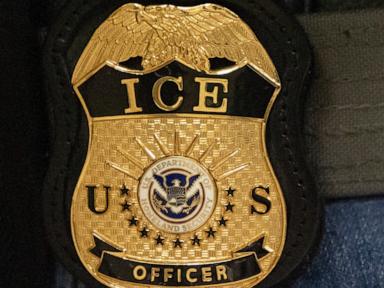
The American meat industry runs on a fragile, high-turnover workforce. According to data from the Migration Policy Institute, immigrants make up roughly a third of all workers in meat and poultry processing. In states like Nebraska, that number climbs past 50 percent. When Immigration and Customs Enforcement (ICE) agents execute operations that remove dozens or hundreds of employees at once, processing plants don't just slow down—they stall out.
The Anatomy of a Plant Slowdown
Slaughterhouses and meatpacking plants aren't automated tech offices where you can easily work remotely or pick up the slack with a skeleton crew. Disassembling livestock requires brutal, rapid manual labor on cold, wet assembly lines. If half a shift doesn't show up because workers are detained or hiding out of fear, the plant manager faces an impossible choice. They can either run the lines at half-capacity or shut down entire sections of the facility.
Production drops by 50 to 70 percent overnight during major enforcement actions. Cattle and hogs, however, keep arriving from feedlots on strict schedules. Ranchers can't just tell livestock to stop growing. If processing facilities back up, farmers get stuck feeding animals longer than economically viable, or worse, scrambling to find alternative buyers while processing plants sit idle.
Industry representatives point out a basic law of supply and demand. If consumer demand for beef and pork stays completely flat while processing volume plummets due to empty stations on the kill floor, wholesale prices jump. Packing houses lose millions in uncaptured revenue, and those losses trickle down to independent cattle ranchers and upward to consumers at the supermarket.
Why Replacing Workers is Nearly Impossible
When historical enforcement actions hit major processors like Swift & Company or modern regional plants, companies learned the hard way how difficult it is to restock a decimated workforce. Executives have tried everything from launching massive Spanish-language media campaigns to offering thousands of dollars in signing bonuses and covering relocation expenses.
It rarely fills the gap quickly. Local labor pools in rural agricultural towns are already razor-thin. Native-born workers rarely line up for jobs that involve slicing carcasses in freezing, hazardous conditions for modest wages. To keep lines moving, corporations have historically turned to refugee resettlement programs or foreign temporary guest worker visas, such as the H-2B program. Yet red tape and bureaucratic backlogs mean getting approval for temporary visas takes months—time that a halted processing plant simply does not have.
The result is a permanent state of labor friction. Even when plants manage to recruit new employees through aggressive out-of-state busing initiatives or refugee placement agencies, inexperienced replacement workers take weeks to train. Line speeds drop, workplace accidents tick upward, and overall output lags far behind pre-enforcement levels.
The Consumer Cost at Checkout
You might wonder why a localized enforcement action in the Midwest or the Texas panhandle affects grocery shoppers nationwide. The American meat supply chain is hyper-consolidated. A handful of massive conglomerates control the vast majority of beef and pork processing. When a single major hub experiences a 40 percent drop in output due to sudden worker absenteeism, it creates a bottleneck that reverberates across distribution networks from coast to coast.
Economists who study agricultural labor markets note that labor accounts for a significant share of operational overhead in animal slaughter and packing. When processors are forced to dramatically bump up hourly wages, offer retention bonuses, and pay for long-distance recruitment teams just to maintain basic operational status, those operating costs get baked into the final wholesale price of meat.
Consumers ultimately foot the bill. When you pay record-high prices for ground beef, bacon, or chicken breasts, you are seeing the financial footprint of chronic workforce instability. Policymakers pushing for aggressive workplace sweeps rarely account for these economic shockwaves. Until the agricultural sector finds a sustainable labor model—whether through comprehensive immigration reform, legal status regularization for essential workers, or radical automation that doesn't yet exist—meatpacking labor disruptions will remain a primary driver of food price inflation.
Take a close look at your next grocery receipt. The number at the bottom reflects not just the cost of feed and fuel, but the ongoing tug-of-war over who gets to work America's hardest jobs.
ICE raids cause worker shortages and drive up meat prices
This short video explains how recent immigration enforcement actions at meat processing plants have triggered labor shortages and driven up meat prices for consumers.