The arrival of Lionel Messi at Inter Miami CF represents a structural shift in sports franchise valuation, transforming a traditional athletic organization into a high-yield global media asset. Where conventional sports marketing relies on localized ticket sales and regional broadcast agreements, the acquisition of elite international talent functions as an economic catalyst capable of restructuring entire leagues. This phenomenon operates through a network effect where individual celebrity equity converts directly into institutional asset appreciation.
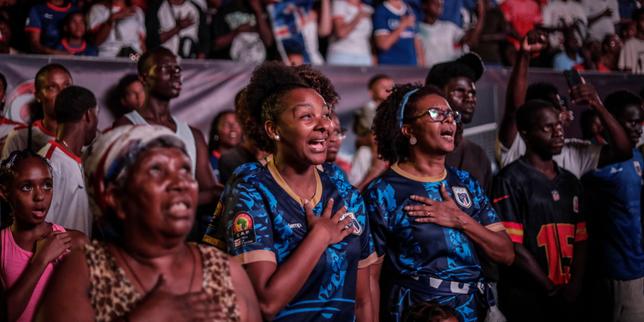
Understanding the mechanics of this transformation requires moving beyond the surface-level metrics of fan enthusiasm—such as murals, flags, and culinary tributes—to examine the underlying economic vectors. The conversion of cultural attention into sustained financial capital depends on three distinct operational pillars: global digital ecosystem expansion, localized physical yield maximization, and regional asset equity accretion.
The Global Digital Ecosystem and Broadcast Mechanics
The primary vehicle for long-term value capture exists within the digital broadcast infrastructure. Traditional media rights models are constrained by geographic boundaries and fixed carriage fees. The partnership between Major League Soccer and Apple TV bypassed these legacy limitations by establishing a direct-to-consumer streaming model unburdened by regional blackouts.
[Attention Capture] ➔ [Subscription Conversion] ➔ [Data Monetization]
      │
      ▼
[Global Media Scale]
Messi’s onboarding acted as the primary customer acquisition tool for this platform. The conversion loop functions through specific micro-economic drivers:
- International Subscriber Acquisition Cost (SAC) Reduction: The organic global reach of an elite athlete eliminates the need for intensive localized marketing spend in foreign territories. International consumers subscribe to the broadcast ecosystem specifically to follow the individual asset, subsidizing the domestic league's digital infrastructure.
- Subscription Retention and Multi-Tier Pricing: The challenge of sports streaming platforms is churn during the off-season. By embedding individual player narrative arcs into the broader league product, the platform creates an ongoing engagement cycle that stabilizes monthly recurring revenue.
- Global Sponsor Integration: Traditional sponsorships are limited by the physical location of the stadium. Digital broadcasts allow for dynamic, targeted advertising overlays, enabling brands to purchase digital inventory tailored to specific regional demographics watching the same live match.
This digital model shifts the revenue ceiling from a localized television market to a global audience capacity, effectively indexing the league's growth to the international footprint of its star asset.
Localized Physical Yield Maximization
While digital platforms scale globally, the physical infrastructure of the stadium provides an immediate, high-margin revenue acceleration vector. The constraints of physical capacity create artificial scarcity, allowing the franchise to optimize its pricing architecture across multiple streams.
Ticket Yield Optimization
The introduction of an elite global asset immediately shifts the demand curve outward, rendering historic pricing models obsolete. Franchises maximize this shift through two primary mechanisms:
- Dynamic Secondary Market Taxing: By leveraging integrated secondary ticketing marketplaces, the organization captures a percentage of the premium paid by consumers in the resale market, turning speculative ticket brokers into de facto revenue generators for the club.
- Tiered Hospitality Expansion: Standard seating configurations are converted into high-yield luxury suites and field-level experiences. Corporate entities and high-net-worth individuals demonstrate a high willingness to pay for proximity to the asset, allowing the club to cross-subsidize lower-margin seating tiers while maximizing total venue yield.
Merchandising Velocity and Supply Chain Pressures
The physical manifestations of fan engagement—such as branded apparel and merchandise—serve as a high-margin capital source. The operational challenge lies in supply chain velocity. When global demand spikes instantly, legacy manufacturing cycles fail to keep pace, creating a temporary inventory bottleneck.
Organizations mitigate this by implementing forward-purchasing agreements and establishing regional print-on-demand facilities. The profit margins on uniform sales are heavily weighted toward the intellectual property owners rather than the distributors, ensuring that every piece of branded merchandise sold functions as a direct capital injection into the franchise's balance sheet.
Regional Asset Equity and Demographic Alignment
The selection of Miami as the geographic anchor for this economic experiment was not arbitrary. It represents a precise alignment of corporate strategy with regional demographic reality. South Florida serves as a financial and cultural gateway to Latin America, a region with a deeply entrenched football culture.
[Demographic Alignment] + [Capital Influx] ➔ [Real Estate Appreciation]
This alignment drives equity accretion through specific institutional pathways:
- Real Estate Value Capture: The development of new stadium infrastructure acts as an anchor for broader commercial real estate plays. Surrounding land parcels experience rapid appreciation as developers seek to capitalize on the guaranteed bi-weekly foot traffic generated by the sporting asset.
- Sponsorship Premium Inflation: Local businesses and multinational corporations looking to penetrate the North American Hispanic demographic view the franchise as the premier aggregation point for this consumer base. Consequently, the club can demand premium sponsorship rates that far exceed the historical averages for the league.
- Institutional Capital Inflow: The appreciation of franchise valuation attracts private equity firms and institutional investors who previously viewed domestic soccer as an undercapitalized sector. This capital influx provides the liquidity required to fund long-term infrastructure projects, such as youth academies and training facilities.
The Cost Function and Structural Limitations
The economic benefits of high-profile talent acquisition are accompanied by substantial operational risks and structural constraints. The capital expenditure required to secure elite assets creates an elevated financial baseline that demands continuous revenue maximization.
The primary limitation of this model is its vulnerability to asset depreciation and injury. If the central athlete is unable to perform due to physical injury or age-related decline, the premium associated with ticket prices, broadcast viewership, and merchandise velocity faces immediate downward pressure. The fixed costs of the contract remain constant, creating a structural deficit if revenue streams contract.
Furthermore, this strategy introduces a competitive imbalance within the league ecosystem. Large-market franchises capable of leveraging regional demographic advantages can sustain the capital requirements of elite talent acquisition, whereas small-market clubs face structural barriers to entry. This disparity threatens the long-term competitive parity that has historically underpinned the financial stability of North American sports leagues.
Strategic Recommendation
To institutionalize the financial gains generated by temporary talent acquisition, the franchise must transition from asset-dependent revenue models to ecosystem-driven infrastructure. The capital surplus generated during this high-growth phase should be immediately deployed into permanent, non-depreciating assets.
Specifically, the organization must prioritize the acquisition and development of its physical real estate footprint, construct a robust localized youth development pipeline to reduce future talent acquisition costs, and build out proprietary media production capabilities that retain audience attention independent of any single player's tenure. Only by converting temporary cultural attention into permanent physical and digital infrastructure can the franchise guarantee long-term solvency and asset appreciation once the initial catalyst departs.