International law is not a sacred text carved into stone. It is a messy, flexible toolkit wielded exclusively by those who hold the keys to military intelligence and airspace sovereignty. When headlines shriek that a leader indicted by the International Criminal Court glides effortlessly over European skies, the armchair jurists lose their minds. They scream about impunity, moral decay, and the death of global justice. They are missing the entire point of how the machinery of statecraft actually functions.
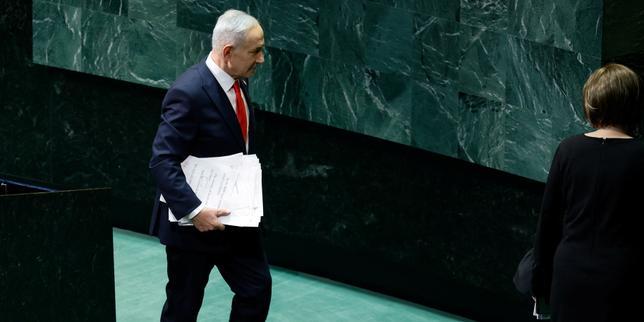
The outcry following the reported flight of Benjamin Netanyahu over French airspace while facing an ICC arrest warrant follows a predictable, lazy script. Commentators treat international courts as if they were municipal police precincts with global jurisdiction. They assume a piece of parchment issued in The Hague operates like a bench warrant from a district court in Ohio.
This is juvenile analysis.
The structural reality of sovereign airspace is dictated by the Chicago Convention of 1944, diplomatic immunity, and the cold, unyielding mechanics of national self-preservation. France did not drop the ball because of administrative incompetence or secret sympathy. France acted because a state’s primary obligation is to its own strategic posture, not to the performative theater of international tribunals that lack enforcement teeth.
Let us look at the mechanics of what actually happens when a head of state traverses foreign airspace.
A state aircraft carrying an incumbent head of government enjoys sovereign immunity under customary international law. This is not a loophole invented last Tuesday. It is a cornerstone of international stability designed to prevent every border crossing from turning into a firefight or a diplomatic hostage crisis. If European capitals started intercepting and grounding aircraft carrying foreign leaders under indictment, the architecture of international aviation would collapse overnight. No leader would ever visit a foreign capital again. Diplomacy would regress to gunboats and smoke signals.
The ICC is not a world government. It is a treaty-based organization. Israel is not a party to the Rome Statute. Neither are the United States, China, Russia, or India. Expecting a sovereign European state to override customary diplomatic immunities for an international court that lacks universal jurisdiction is a fundamental misunderstanding of legal hierarchy. Treaties bind signatories; they do not legislate for the unconsenting globe.
Critics point to the obligation of Rome Statute signatories to cooperate with the court. True. Article 86 is explicit. But Article 98 is equally explicit: the court may not proceed with a request for surrender or assistance which would require the requested state to act inconsistently with its obligations under international law with respect to the state or diplomatic immunity of a third state.
In plain English, international law explicitly prioritizes state and diplomatic immunities over ICC cooperation requests when dealing with non-party states. The legal contradiction baked into the Rome Statute itself protects the very flights that send moralists into a frenzy. The system is designed this way because the drafters knew that forcing states to choose between customary diplomatic immunity and court warrants would shatter the diplomatic corps entirely.
Yet, the media narrative persists. Every time a high-profile figure bypasses an arrest warrant, the pundit class acts surprised that realpolitik trumps legal idealism. I have watched analysts spend decades treating international institutions as moral arbiters rather than political instruments. They get burned every single time because they refuse to look at the incentives.
International tribunals rely entirely on voluntary state compliance. They have no police force. They have no standing army. They have no tax base. When the enforcement mechanism depends on the very governments being asked to arrest powerful actors, compliance becomes a function of power politics, not jurisprudence. If a state calculates that detaining a leader carries catastrophic diplomatic, economic, or security costs, that state will find a legal justification to look the other way. Every single time.
This brings us to the core hypocrisy of the outcry. The outrage is rarely about universal human rights; it is about selective moral vanity. The same voices demanding that European fighters scramble to intercept foreign leaders are dead silent when powerful nations bypass international law for their own strategic imperatives.
If you want a legal system with teeth, you need a monopoly on legitimate violence. The international community does not have one. Pretending otherwise is comforting, but it is dangerous policy. It creates a false sense of security among populations who believe that pieces of paper from international judges can substitute for hard power and diplomatic leverage.
When we look at the skies over Europe, we are not witnessing the failure of justice. We are witnessing the raw, unvarnished operation of sovereignty. States protect their interests. Treaties are interpreted through the lens of national survival.
Stop expecting courts to rewrite the balance of power. They cannot. And until the critics wake up to the reality that power precedes law, rather than the other way around, they will keep writing the same outraged eulogies for a system that never existed in the first place.