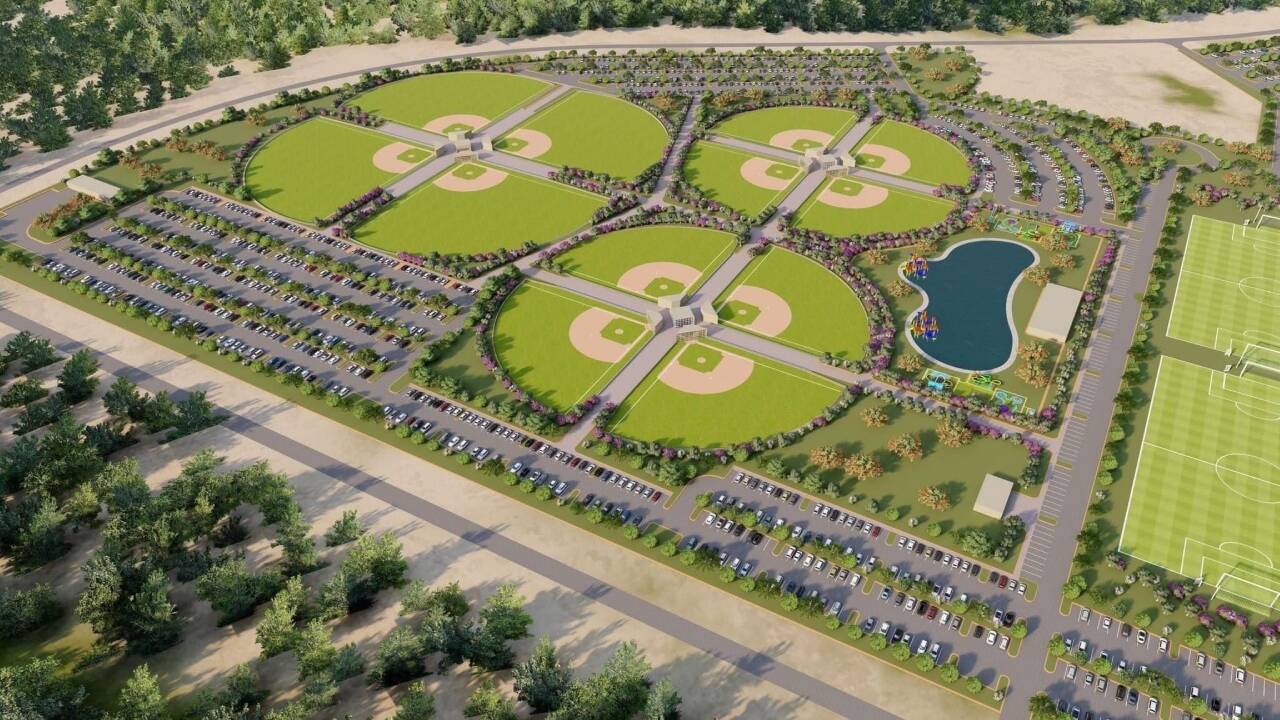
Everybody loves a feel-good real estate headline. Hand over a dusty patch of scrub brush in West Texas, slap a nine-figure valuation on it, and watch the regional press pop the champagne. The narrative writes itself: benevolent landowner drops one hundred acres near Odessa, a glittering multi-million dollar complex rises from the caliche dirt, and rural prosperity follows like clockwork.
It is a comforting bedtime story. It is also an absolute fiscal fantasy. Read more on a connected issue: this related article.
I have spent two decades watching philanthropic real estate announcements turn into municipal anchor weights. I have seen cities inherit prime dirt only to discover that the gift horse comes with an endless appetite for taxpayer-funded infrastructure. When a hundred acres of raw Texas land suddenly morphs into a one hundred forty-five million dollar footprint, the mainstream media focuses on the sticker price. They forget to ask who pays to keep the lights on when the ribbon-cutting confetti sweeps away.
Let us dismantle the lazy consensus surrounding this Odessa project. Further analysis by MarketWatch highlights similar perspectives on this issue.
The Cost of Free Dirt Is Everything
The fundamental error in the standard reporting on major land grants is the assumption that raw ground represents the hard part of development.
Property is cheap. Utility hookups, zoning variances, environmental remediation, and long-term maintenance costs will eat your lunch. When a benefactor gifts a hundred acres, they are essentially handing over an empty canvas that requires a massive financial scaffolding just to become functional.
Imagine a scenario where a municipality receives a multi-million dollar commercial or community asset on donated land, but the local tax base has to absorb the ongoing operational overhead. Odessa is not a blank slate floating in a vacuum. It sits in the heart of the Permian Basin, a region tethered entirely to the violent boom-and-bust cycles of fossil fuels. Tying a massive capital-intensive complex to a cyclical economy without an airtight endowment is not philanthropy. It is a slow-motion liability.
Let us look at the math that the press releases conveniently omit. A one hundred forty-five million dollar buildout requires ongoing capital expenditure averaging roughly four to six percent annually just to stave off deferred maintenance. That means millions of dollars disappear every single year into roofs, HVAC overhauls, parking lot resurfacing, and technological upgrades.
When the local oil patch hits a downturn—and it always does—where does that operating cash come from?
The Myth of the Regional Economic Engine
Proponents of these mega-developments love to throw around the word impact. They claim a new complex will revitalize the local corridor, draw traffic from Midland, and diversify the economy.
This is wishful thinking dressed up as regional planning.
Economic gravity is stubborn. Odessa and Midland exist in a tight symbiotic orbit, yet each maintains fiercely guarded boundaries. Building a high-end facility on donated acreage does not magically generate new wealth out of the air. More often than not, it cannibalizes existing commercial activity from downtown strips, shifting retail and community dollars three miles down the highway into a shinier parking lot while leaving vacant storefronts in its wake.
This is the dirty secret of modern placemaking. We suffer from an addiction to shiny objects. City councils drool over architectural renderings because progress is easy to measure when you can take a photo of a crane. Real economic diversification requires grinding, unglamorous work: workforce housing reform, water rights security, educational alignment with industrial tech, and small business incubation.
None of those things fit neatly on a billboard. None of them involve a giant ceremonial pair of oversized scissors.
The Permian Reality Check
To understand why this Odessa project deserves intense skepticism, you have to understand the soil it sits on. West Texas is an unforgiving environment. Water scarcity is not a distant threat; it is an active daily ceiling on growth. Every square foot of new construction requires securing industrial water allocation rights in a desert basin where municipal supplies are constantly squeezed by fracking operations.
When you drop a massive complex onto a hundred acres in this climate, you are introducing a massive new node of resource consumption. If the facility relies on traditional landscaping, high-energy glass facades, and heavy climate control systems designed for Houston or Dallas, it will hemorrhage money on utility bills alone by August.
True development expertise in the Permian Basin requires radical adaptation to extreme heat, wind, and water limits. If the architects of this Odessa complex designed it using standard coastal or suburban templates, they have built an energy-hungry monument to poor planning.
What Real Generosity Looks Like
I am not against giving away land. I am against the performative pageantry that surrounds it.
If a landowner genuinely wants to transform Odessa, the playbook looks entirely different. It starts with an unrestricted endowment that covers twenty years of operational overhead, not just the capital expenses of steel and concrete. It involves de-risking the utility interconnects before the deed changes hands. It means designing structures that can scale down gracefully during an industry bust rather than hanging like an albatross around the community's neck.
The next time you read about a massive acreage donation turning into a nine-figure complex, look past the architectural flythroughs. Ask about the maintenance trust. Ask about the water permits. Ask what happens to the property tax burden when the initial grants dry up.
Until we start measuring real estate success by longevity and self-sustainability instead of initial construction cost, we will keep building expensive monuments to short-term thinking.