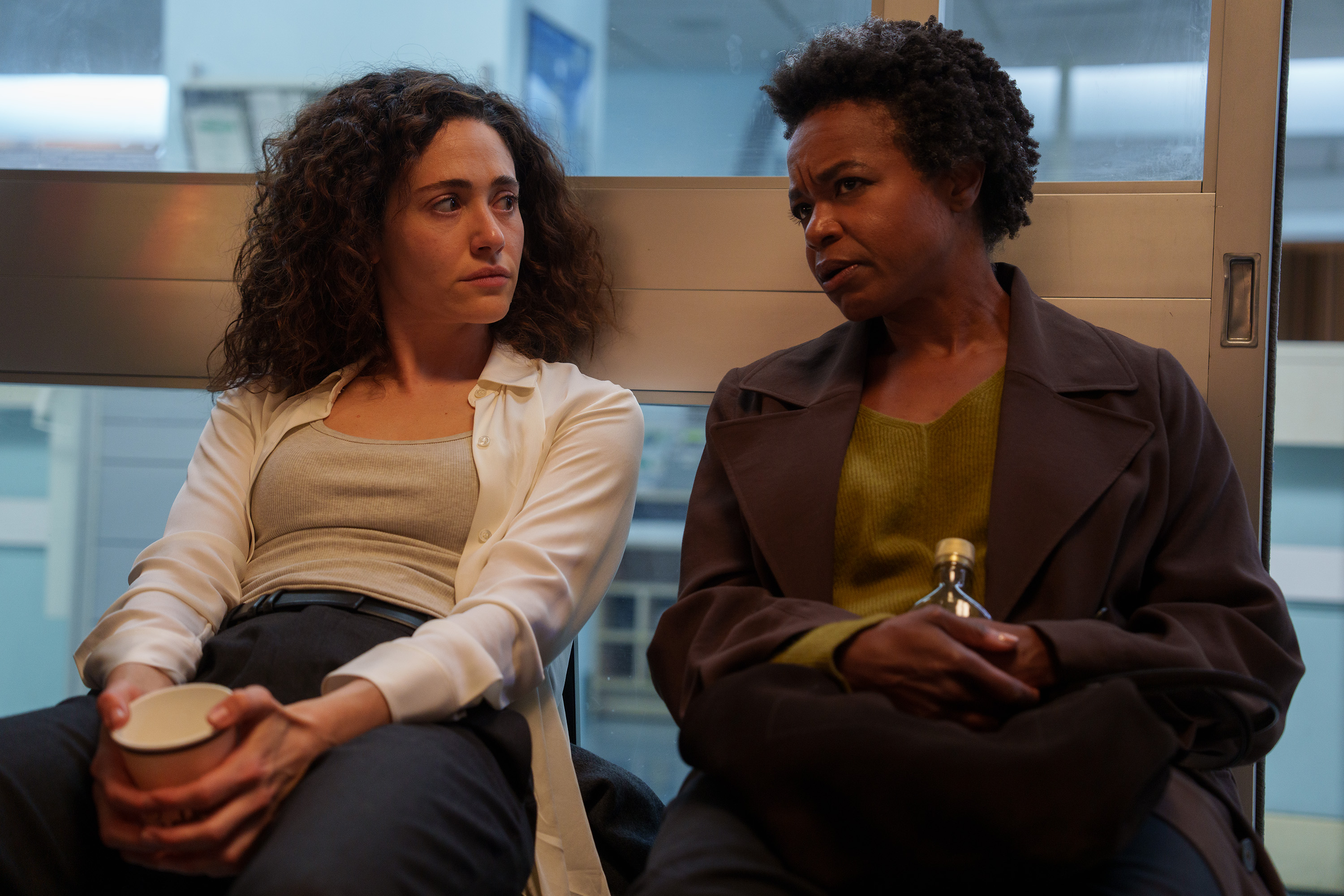
Hulu wants you to believe their latest release is a psychological masterclass. The lazy consensus across the trade press hails the revenge thriller Furious as a haunting, visceral descent into darkness that lingers long after the credits roll. Critics are falling over themselves to praise its moody pacing and supposed emotional depth. They are wrong. They are grading on a curve because modern streaming algorithms have starved audiences of anything resembling genuine grit.
Furious is not a haunting piece of cinema. It is a cynical, paint-by-numbers exercise in trauma-porn packaged for binge-watching addicts who mistake bleakness for depth.
I have spent over a decade analyzing audience retention, script mechanics, and psychological thrillers for major studios. I have watched millions of dollars burn on scripts that prioritize shock value over structural integrity. What passes for a high-concept revenge arc today is usually just a sloppy narrative shortcut designed to keep you scrolling through your watchlist at midnight.
Let us dismantle why this project fails structurally and why the industry keeps pushing this hollow template onto viewers.
The Myth of the Slow-Burn Thriller
The primary defense from defenders of Furious is that it relies on a slow-burn aesthetic. Translation: nothing happens for the first four episodes.
Modern showrunners have weaponized mood lighting to mask empty plotting. Directors dim the color grading to slate gray, pump low-frequency synth drones into the background, and expect viewers to confuse visual depression with substantive tension. Real suspense requires agency, friction, and moral ambiguity. In Furious, the protagonist is a walking checklist of grievance tropes with zero internal conflict.
When a character's motivation is reduced to a single inciting incident of betrayal followed by two seasons of brooding retribution, you do not have a thriller. You have an interactive screensaver.
"Atmosphere is not a substitute for a plot. If your protagonist can be replaced by a cardboard cutout holding a flashlight without changing the script outcome, your narrative is dead on arrival."
Why Audiences Keep Falling for Manufactured Edge
Let us look at the data driving this trend. Streaming platforms rely on completion rates within the first seventy-two hours of a drop. To spike those metrics, creators front-load cheap cliffhangers and rely on hyper-violent cold opens.
Furious uses this exact algorithmic bait. The opening scene promises a high-stakes reckoning, but the middle six episodes flatline into repetitive cat-and-mouse routines that go nowhere. It is a bait-and-switch.
People ask why modern revenge stories feel so hollow compared to classics like Oldboy or Blue Ruin. The answer is simple: corporate sanitization. True revenge narratives require the protagonist to lose their soul in the process. They must become repulsive. Furious wants its lead to remain a sympathetic, marketable hero who only kills bad guys with clean aesthetics. That is not a gritty thriller. That is a superhero movie with foul language.
The Cost of Mediocre Storytelling
When studios reward lazy writing by streaming mediocre content into millions of homes, the baseline for television drops. We stop demanding tight scripts, sharp dialogue, and logical character progression. We accept filler episodes because we are too tired to care.
Stop pretending Furious is haunting you. It is boring you, but the marketing department has convinced you that boredom is just high art waiting to be understood.
Demand better scripts. Cancel your subscription to formulaic misery. Turn off the autopilot.