Commercial shipping through the Bab el-Mandeb strait did not merely face disruption; it shattered. When Houthi militant operations in the Red Sea intensified, the shockwaves traveled south, hitting ports and bazaars across the Horn of Africa with brutal efficiency. For decades, Somali merchants relied on predictable maritime corridors connecting East African ports directly to Middle Eastern hubs, South Asia, and the broader Mediterranean trade arteries. Those established shipping channels are now high-risk vectors, forcing Somali traders to fundamentally rethink trade routes, absorb crippling maritime insurance premiums, and forge entirely new overland and regional logistics networks.
The strategic reality of maritime commerce changed overnight. Vessels carrying consumer goods, electronics, and staple foodstuffs faced missile and drone strikes, prompting major global shipping lines to bypass the Suez Canal entirely. They chose instead the grueling circumnavigation around the Cape of Good Hope. For Somali importers operating on razor-thin margins and dependent on agile, rapid-turnaround cargo ships, diverting vessels around Africa was financial suicide. Freight costs skyrocketed, delivery timelines doubled, and traditional trade financing models strained under the weight of extended transit cycles.
Merchants in Mogadishu, Hargeisa, and Bosaso watched insurance rates for regional dhows and feeder vessels climb to unsustainable heights. Marine underwriters viewed any vessel operating within striking distance of the southern Red Sea as a liability. Consequently, commercial operators faced an impossible choice: absorb insurance premiums that outpaced the value of the cargo itself or halt shipments. Many chose the latter, creating acute supply bottlenecks in local markets where demand for imported flour, sugar, and manufactured goods remained inelastic.
Necessity breeds alternative logistics. Somali trade networks, forged through decades of civil conflict and institutional fragility, possess an innate resilience born from decentralization. When formal maritime lanes choked, commercial operators turned inward and regional.
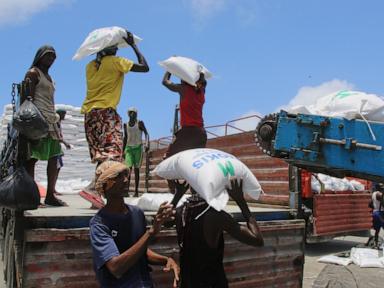
Goods began arriving at alternative ports, shifting the geographic distribution of import-export activities. Berbera and Djibouti absorbed a significant influx of diverted cargo, transforming regional ports into vital transshipment valves. From there, goods moved overland through cross-border trucking corridors into Somalia, circumventing the maritime danger zones entirely. This shift exposed the fragility of southern Somali port infrastructure while validating heavy investments made in Somaliland's port modernization projects.
Yet, shifting trade routes to overland trucking networks introduced a new set of economic friction points. Road networks across the Horn of Africa are notoriously variable. Paved highways give way to unpaved tracks vulnerable to seasonal flooding, administrative delays at internal checkpoints, and elevated security risks. Fuel prices surged alongside the increased demand for long-haul road transport, transferring the financial burden from maritime freight operators to land-based logistics providers.
Wholesale prices for imported commodities climbed steadily through local markets. Consumers bore the brunt of these structural adjustments, stretching household budgets in a region already grappling with severe climate shocks and macroeconomic instability. The macroeconomic transmission mechanism was direct: a missile strike off the coast of Yemen triggered an immediate spike in the price of cooking oil in a Hargeisa market stall.
This crisis exposed a deeper structural vulnerability within the Somali commercial ecosystem. For generations, trade policy and infrastructure investment favored coastal maritime entry points while neglecting internal connectivity. When the maritime choke point constricted, the lack of diversified supply chains created immediate vulnerability.
Financial architecture adapted alongside physical routes. Traditional Hawala networks and informal trade credit systems experienced liquidity strains as cargo turnaround times doubled. Importers required larger capital reserves to finance goods sitting on extended transit routes, squeezing small and medium-sized traders out of the market. Consolidation accelerated. Well-capitalized trading conglomerates absorbed smaller operators, reshaping the commercial landscape of the region toward monopolistic or oligopolistic control over essential import lines.
Looking beyond the immediate operational pivots, the disruption forced a strategic reevaluation of regional economic integration. Somali commercial actors intensified efforts to secure bilateral trade agreements with neighboring East African states, looking toward land corridors linking Mombasa and Dar es Salaam to the northern markets. The calculus shifted from global maritime dependency toward regional self-sufficiency and diversified transit corridors.
The Houthis did not merely disrupt shipping channels in the Red Sea; they permanently altered how peripheral economies interface with global supply chains. Somali traders proved that commercial life persists outside formal maritime architectures, sustained by adaptive networks and historical resilience. The new trade routes etched into the geography of the Horn of Africa are longer, costlier, and more complex, but they reflect an unyielding commercial pragmatism designed to survive a fractured world.