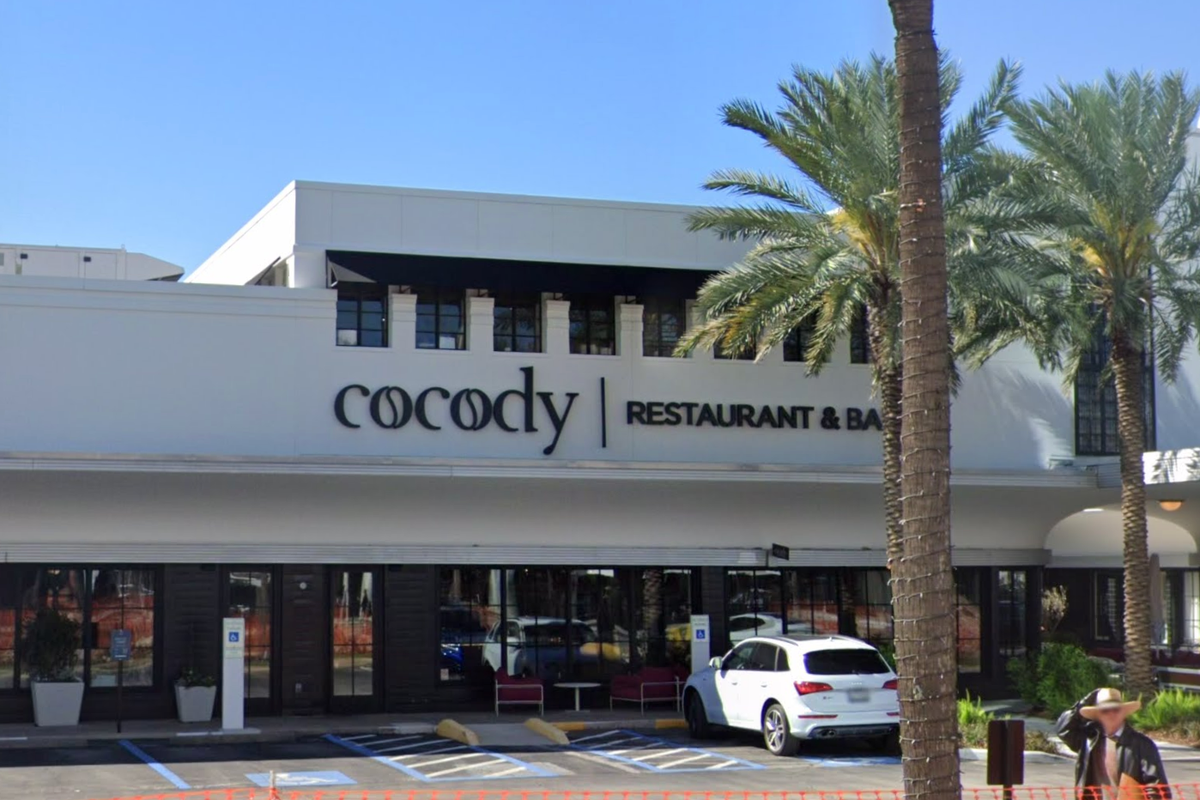
A viral video isn't just a clip anymore. It's a jury trial in the court of public opinion. Recently, a group of women in Houston found themselves at the center of this digital storm after being denied entry to a local establishment. The reason given was their attire. The reality, as it often is in these cases, feels much more complicated. This isn't just about a "no sneakers" policy or the length of a skirt. It’s about the messy intersection of private property rights, branding, and the very real sting of perceived discrimination.
If you’ve spent any time in Houston’s upscale dining scene, you know the drill. You dress up. You hope the hostess likes your vibe. But when the rules feel arbitrary, people get loud. The women involved in this latest incident didn't just walk away. They hit record. That choice has forced another Houston business to scramble into damage control mode while the internet debates what "appropriate" even means in 2026. Don't miss our earlier post on this related article.
The Viral Incident That Sparked a Citywide Debate
The video started circulating quickly. It showed a group of Black women clearly frustrated outside a Houston restaurant. They were dressed for a night out. They looked polished. Yet, security or management told them they didn't meet the dress code requirements. The women argued that other patrons—specifically non-Black patrons—were inside wearing similar or even more casual clothing.
This is the "smoking gun" in almost every viral restaurant confrontation. It’s rarely about the rule itself. It’s about the uneven application of that rule. When a business says "no hoodies" but lets a celebrity in wearing a $2,000 designer sweatshirt, the policy isn't a policy. It’s a filter. For these women, the experience felt like a clear case of being singled out. Houston has seen this play out before at places like the Turkey Leg Hut or various Midtown bars. Each time, it triggers a massive conversation about race and access in the city’s social spaces. To read more about the context of this, USA Today provides an excellent breakdown.
Why Dress Codes Often Mask Implicit Bias
Let’s be honest. Most dress codes are vague on purpose. Phrases like "business casual" or "upscale attire" give management a lot of "wiggle room." That room is where bias lives. If a manager thinks a certain look is "too street" or "too loud," they use the dress code as a shield to deny entry.
Data from social psychology studies often shows that people in positions of authority—like bouncers or floor managers—frequently apply rules more strictly to minority groups. They don't even have to be "racist" in the mustache-twirling sense. It’s often a snap judgment based on what they think their "ideal" customer looks like. When that happens, the restaurant isn't just selling food. They’re gatekeeping a lifestyle.
You’ve probably seen it yourself. You stand in line and watch the person in front of you get a pass for the same shoes that got you a "not tonight" from the guy at the door. It’s infuriating. In the Houston incident, the women pointed out this exact hypocrisy. They saw the double standard in real-time. That’s why the video resonated. It tapped into a shared experience that many people of color have felt in high-end spaces.
The Business Side of the Blame Game
Restaurants are in a tough spot, but that doesn't excuse them. They want to maintain a specific "atmosphere." They think that if they let in people who don't fit the "look," their regulars will stop coming. It’s a branding strategy. But in a city as diverse as Houston, a "look" that excludes a huge portion of the population is a bad business move.
When a video like this goes viral, the fallout is massive.
- Yelp Bombing: Within hours, the restaurant’s ratings tank.
- Boycotts: Local influencers start calling for a total shutdown of support.
- Legal Threats: Discrimination lawsuits are expensive and PR nightmares.
Most businesses respond with a canned statement. "We value all our guests." "We are investigating the matter." It’s a template. It rarely feels sincere. Instead of just "investigating," these establishments need to look at who is making the calls at the door. If your security team doesn't reflect the diversity of your city, you’re asking for trouble.
Navigating Your Rights as a Patron
You have rights when you go out, but they have limits. Private businesses can legally set dress codes. They can say "no flip-flops." They can say "jackets required." What they cannot do is use those rules as a proxy for racial, religious, or gender discrimination.
If you find yourself in this situation, do what these women did.
- Stay calm but firm. Getting aggressive gives them a reason to call the police, which complicates everything.
- Document everything. Get photos or videos of what you’re wearing and, if possible, what people inside are wearing.
- Ask for the specific policy. Don't settle for "you just don't fit the vibe." Ask to see the written rule.
- Identify the staff. Note the names or descriptions of the people denying you entry.
The law is often on the side of the business regarding "right to refuse service," but the Civil Rights Act of 1964 still exists. Public accommodations—which include restaurants—cannot discriminate based on race. Proving it is the hard part. That’s why the visual evidence of a double standard is so vital.
The Problem with Upscale Houston Nightlife
Houston likes to brag about being the most diverse city in America. We have the best food. We have a culture that blends a hundred different backgrounds. But our nightlife still feels segregated in some corners. There’s a weird tension in neighborhoods like River Oaks or the Washington Corridor.
Some owners seem to think that "upscale" equals "exclusive" in a way that feels dated. They’re chasing a 1990s version of luxury that doesn't fit the modern world. Today’s wealth and style don't always look like a suit and tie. Some of the most successful people in this city show up in high-end streetwear and sneakers that cost more than a server's monthly rent. When a restaurant fails to recognize that, they aren't just being discriminatory—they're being out of touch.
The backlash to the viral video wasn't just about one night. It was a boiling over of years of frustration. People are tired of feeling like they have to audition to spend their own money. If a restaurant wants to survive in 2026, they have to move past the "vibe check" and start focusing on actual hospitality.
Moving Forward Without the PR Fluff
If you're a restaurant owner reading this, stop hiring "vibe" consultants and start training your staff on de-escalation and implicit bias. A dress code should be a clear, written list posted on your website and at your front door. No exceptions. No "manager's discretion." If the rule is no hats, then it's no hats for everyone—even the guy who looks like he’s going to drop five grand on wine.
For the rest of us, keep holding these places accountable. The power of the camera is one of the few tools we have to level the playing field. When businesses see that their actions have immediate, public consequences, they’re forced to change. It’s not "cancel culture." It’s accountability.
If you’re planning a night out in Houston and want to avoid the headache, check recent reviews specifically for mentions of the dress code. See how the business responds to complaints. If their replies are defensive or dismissive, take your money elsewhere. There are too many incredible spots in this city to waste time at a place that doesn't want you there. Support the businesses that actually reflect the city they live in.


