Hong Kong wants a bigger slice of a global yacht market projected to reach HK$350 billion by 2032. That sounds glamorous until you look at how many visiting mainland boats actually applied in the scheme's first month. Only nine.
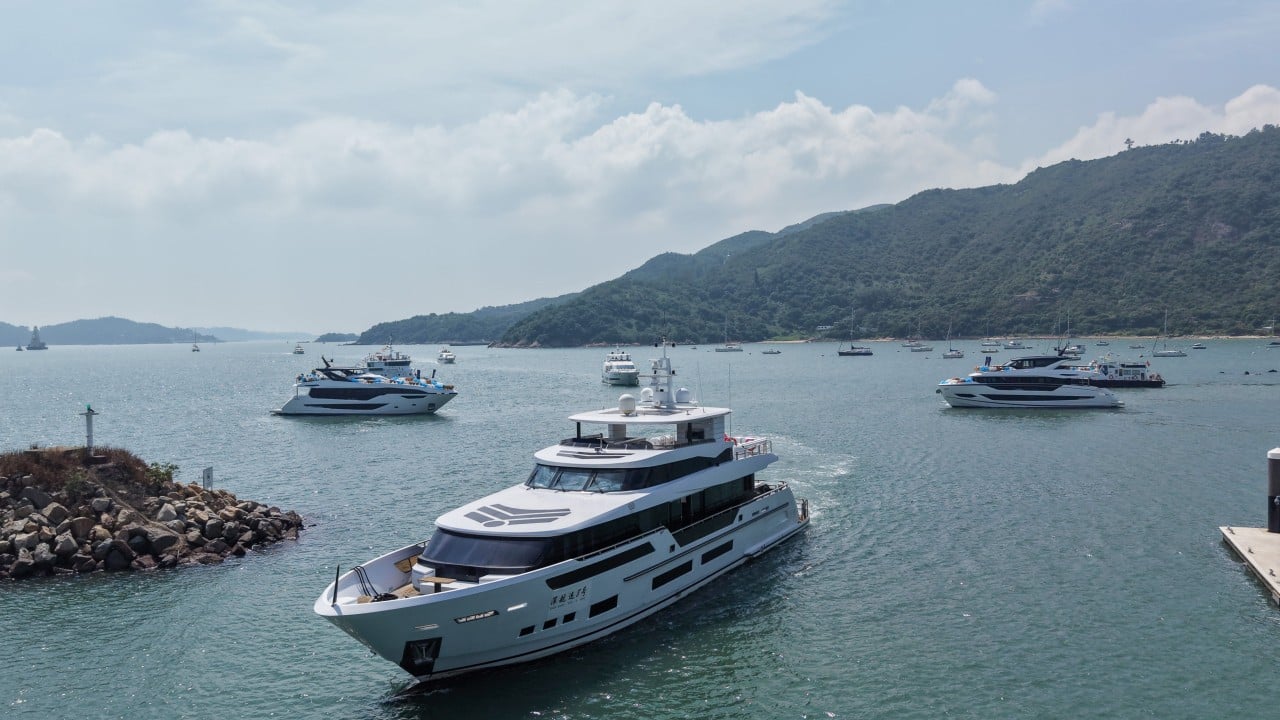
The Southbound Yacht Travel Scheme opened on October 16, 2026, letting Guangdong-registered vessels sail into Hong Kong waters after Beijing cleared the broader Greater Bay Area individual yacht travel framework earlier that summer. At the launch event, officials greeted the first wave of five yachts arriving from Shenzhen, Zhuhai, and Nansha, while senior figures framed the move as part of a much bigger play to turn the city into a premier marine hub. If you liked this article, you should read: this related article.
I like the ambition here. Hong Kong has sheltered bays, dramatic island coastlines, deep-water access, and serious wealth right next door in the Pearl River Delta. Still, big headlines don't automatically fix tight marina space, clunky cross-border paperwork, or high operating costs. If Hong Kong wants wealthy boat owners staying for days rather than making a quick novelty trip, the city has to solve some very real practical hurdles first.
What Actually Launched Under the Yacht Scheme
The southbound arrangement pairs with the northbound yacht scheme that rolled out in June 2026, creating a two-way cross-border channel across Guangdong, Hong Kong, and Macao. Instead of simply passing through Hong Kong waters without stopping, approved Guangdong-registered boats can now dock and spend time onshore. For another perspective on this development, refer to the latest coverage from Financial Times.
On launch day, Marine Department vessels escorted early arrivals toward Lantau Yacht Club, with Director of Marine Wong Sai-fat on hand alongside Deputy Financial Secretary Michael Wong and Secretary for Transport and Logistics Mabel Chan. One owner who used to drive across told local reporters that coming in by sea felt completely different, planning a short stay around Tsim Sha Tsui and Central.
To handle visiting vessels, authorities designated five anchorage areas with roughly 115 spaces across spots like Stanley Bay, Tai Tam Bay, Repulse Bay, Three Fathoms Cove in Sai Kung, and Tai O. Boaters can also use berths at around 10 private yacht clubs around the city, where some operators hope mainland arrivals could lift revenue by up to 20%.
That growth projection makes sense on paper. A visiting yacht owner doesn't just pay for a berth or fuel; they book hotel rooms, dine out, shop in Central or Tsim Sha Tsui, hire local provisioning and maintenance crews, and bring friends or family along. Even a modest uptick in high-spending marine visitors can punch above its weight for waterfront hospitality.
Why Early Numbers Show Caution Rather Than a Stampede
Nine applications in the first month isn't a disaster for a brand-new policy, yet it's a reality check. Cross-border marine travel isn't like hopping on the high-speed rail or driving across a bridge. Every trip involves weather windows, vessel compliance, passenger rules, and port logistics.
Industry voices have already pointed out friction in the process. Unlike local pleasure boats that can move around Hong Kong waters with relative ease, mainland yacht owners generally have to apply trip by trip. For busy owners who decide on a Thursday afternoon to spend the weekend on the water, repeated per-trip approvals create hassle they might skip.
Skippers and crew rules matter just as much. Around 300 mainland yacht masters had qualified to navigate local Hong Kong waters around the scheme's launch, and officials noted plans to commission local training institutions for online courses to make credential assessments easier for foreign captains. Training helps, though real-world dock familiarity in busy channels takes time.
Berthing Space Is the Elephant in the Room
Let's be honest about Hong Kong's biggest bottleneck: space. Anyone who has spent time around Hong Kong marinas knows wet berths have been tight for years, especially for larger vessels. Having roughly 115 designated anchorage spaces across five areas alongside private yacht club options gets the program moving, yet superyachts and larger cruisers need deep water, reliable services, and sheltered shelter when winds pick up.
A major piece of the long-term answer sits out by the airport. Airport Authority Hong Kong is pushing its SKYTOPIA Airport City blueprint, which includes a planned Yacht Bay near the Hong Kong-Zhuhai-Macao Bridge port area and Tung Chung. Plans point to around 500 berths—with estimates varying across project stages on how many will handle superyachts or vessels over 80 meters—and a November 2026 memorandum of understanding with the Yacht Club de Monaco aims to bring international marina standards, training, and event ties into the mix.
An MoU is a promising signal, not a finished marina. Construction on SKYTOPIA Yacht Bay is tentatively eyed for the 2027–2030 window, which means the city won't have that flagship superyacht capacity overnight. Until new berths actually open, Hong Kong has to squeeze maximum value out of existing clubs, anchorages, and short-stay itineraries.
Environmental and Local Trade-Offs Nobody Can Ignore
Whenever Hong Kong expands marine tourism, two pushbacks usually follow right away: coastal ecology and local access. Hong Kong's waters support rich marine life, coral communities, and busy commercial shipping lanes, while local boaters and coastal residents care deeply about crowded anchorages, noise, and water quality.
Officials have pledged stepped-up patrols and pushed back against fears of ecological harm as the southbound scheme began, while commentary around marine tourism has urged careful monitoring of berthing expansion and environmental impacts. Ignoring those concerns early is a quick way to spark backlash in scenic spots like Sai Kung, Stanley, or Tai O.
There's also a question of where the money lands. Mega-projects and exclusive clubs grab attention, while smaller local operators, charter firms, and marine service workshops often wonder if policy tilts too heavily toward big-ticket developments. Turning yachting into a lasting pillar of Hong Kong's economy requires clear rules, predictable fees, and practical support across the whole supply chain.
Practical Next Steps for Boat Owners, Operators, and Planners
If you're looking at this shift from inside the industry—or planning to take advantage of it—waiting around for perfection won't help much. Here's what makes sense right now:
- For mainland yacht owners: Check entry requirements, vessel documentation, and designated berth or anchorage availability well ahead of peak weekends rather than treating Hong Kong like a last-minute stop. Factor in transit time and weather so a two- or three-day trip doesn't get eaten up by paperwork or rough seas.
- For marinas, clubs, and hospitality businesses: Build packaged short-stay experiences around arrivals—think provisioning, concierge transfers, hotel tie-ins, and event tie-ins like concerts or major waterfront fixtures. Capturing onshore spend is where the real margin lives.
- For captains and marine service providers: Track updated skipper qualification and credential pathways, and invest in maintenance, detailing, and technical support services that visiting boats genuinely need once they drop anchor.
- For policymakers and planners: Streamline repeat-trip application workflows where safety allows, publish transparent capacity data for anchorages and berths, and back coastal growth with real environmental monitoring.
Hong Kong has a genuine shot at building a stronger yachting scene across the Greater Bay Area. Still, a share of a HK$350 billion global market isn't won at a ribbon-cutting—it's earned berth by berth, smooth crossing by smooth crossing.