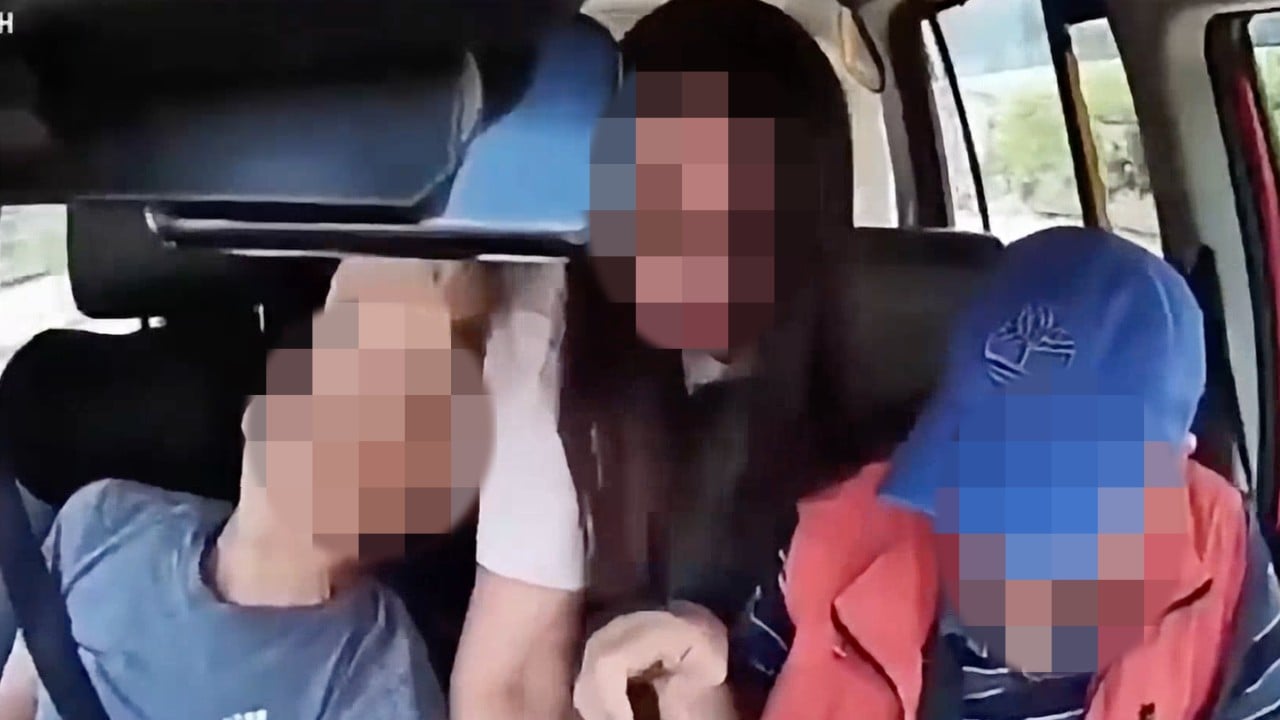
Imagine sitting quietly in the back of a Hong Kong cab, watching the city blur past, when the vehicle suddenly starts drifting across highway lanes. You lean forward. The driver is slumped over the steering wheel, completely unconscious.
Most people freeze. Panic takes over. But sometimes everyday commuters face split-second emergencies that test their instincts in ways they never expected. When a taxi driver suddenly fainted on a busy Hong Kong highway, the passengers inside didn't panic. They took control of a runaway vehicle and pulled off a terrifying rescue before disaster struck. For another perspective, see: this related article.
Situations like this expose a harsh reality about public transportation. We put our lives in the hands of total strangers every single day. We assume they are healthy, alert, and capable. But medical emergencies happen without warning. When a driver blacks out at seventy kilometers per hour on a congested expressway, the gap between safety and catastrophe narrows to zero.
Driver fatigue and sudden health crises in the commercial transport sector are massive problems. Hong Kong drivers work notoriously long hours. Traffic congestion, high fuel costs, and pressure to hit daily earnings targets push many operators past their physical limits. While regulations exist to manage working hours, enforcement is tough, and drivers often ignore warning signs of exhaustion or chronic illness just to make a living. Similar analysis on this trend has been provided by NPR.
When things go wrong on the road, passengers become the ultimate safety net.
Think about the physics of a moving car on a multi-lane highway. Without a hand on the wheel or a foot on the brake, a vehicle becomes a massive, rolling projectile. It bounces off barriers, veers into oncoming traffic, or gets rear-ended by unsuspecting motorists. Surviving an incident like this requires fast thinking and absolute calm. You have to reach over the center console, grab the wheel, steer the car safely onto the shoulder, and pump the brakes while avoiding surrounding traffic.
It sounds like an action movie script. Yet it happens in real life more often than statistics suggest.
What Happens When the Driver Faints
A medical emergency behind the wheel leaves virtually no margin for error. When someone loses consciousness due to a stroke, heart attack, or severe exhaustion, their foot often stays pressed on the accelerator, or the car simply coasts dangerously.
If you ever find yourself in the passenger seat during a medical emergency, your immediate priorities are simple. First, secure steering control. Second, slow the car down smoothly. Third, signal to other drivers.
Panicking and jerking the wheel can flip the vehicle. Slamming the emergency brake without warning can cause a spin-out. You have to stabilize the steering, ease your foot or hand onto the brake pedal if you can reach it, or pull the electronic parking brake lever gradually depending on the car's layout.
Hong Kong taxis feature specific interior layouts, often crowded with partitions, payment terminals, and gear shifts that make reaching the driver's seat from the back an awkward physical challenge. Passengers who manage this feat under extreme adrenaline deserve immense credit.
Fixing the System Before the Next Crisis
Relying on heroic passengers is a terrible transit strategy. Transport authorities and fleet operators need better preventative measures to protect both drivers and the public.
Mandatory health screenings for aging commercial drivers are a start, but they aren't enough. Conditions like cardiovascular disease or sudden syncopal episodes can strike anyone at any time, regardless of age. Real safety requires structural changes in how the industry operates.
Long shifts are the root cause of many preventable road incidents. When drivers spend twelve to fourteen hours a day behind the wheel, their bodies break down. Fatigue impairs reaction times just as severely as alcohol. Cities with dense taxi networks must look at capping daily driving hours strictly, subsidizing vehicle technology that detects driver drowsiness, and providing better healthcare access for independent operators.
Technology already exists to monitor driver vitals and alertness. Steering-wheel sensors, eye-tracking cameras, and automated emergency braking systems can detect when a driver stops responding and bring the vehicle to a safe halt independently. Upgrading older cab fleets with these tools should be a top priority for transport departments globally.
How to Stay Prepared on Your Daily Commute
You can't control your driver's health, but you can change your own awareness. Most commuters stare at their phones from the moment they step into a vehicle until they reach their destination.
Look up. Pay attention to the road and the person driving.
If a driver is slurring their words, nodding off, or driving erratically, don't hesitate to speak up. Ask them to pull over. It might feel awkward or impolite, but avoiding an uncomfortable conversation is never worth risking your life.
Keep your seatbelt fastened at all times, even in the back seat. In a sudden highway collision caused by an incapacitated driver, a seatbelt is the only thing standing between you and catastrophic injury.
When the unexpected happens, clear heads win. Know where the handbrake is. Understand how to steer a vehicle from an awkward angle. Stay alert, trust your instincts, and never assume someone else has everything under control.