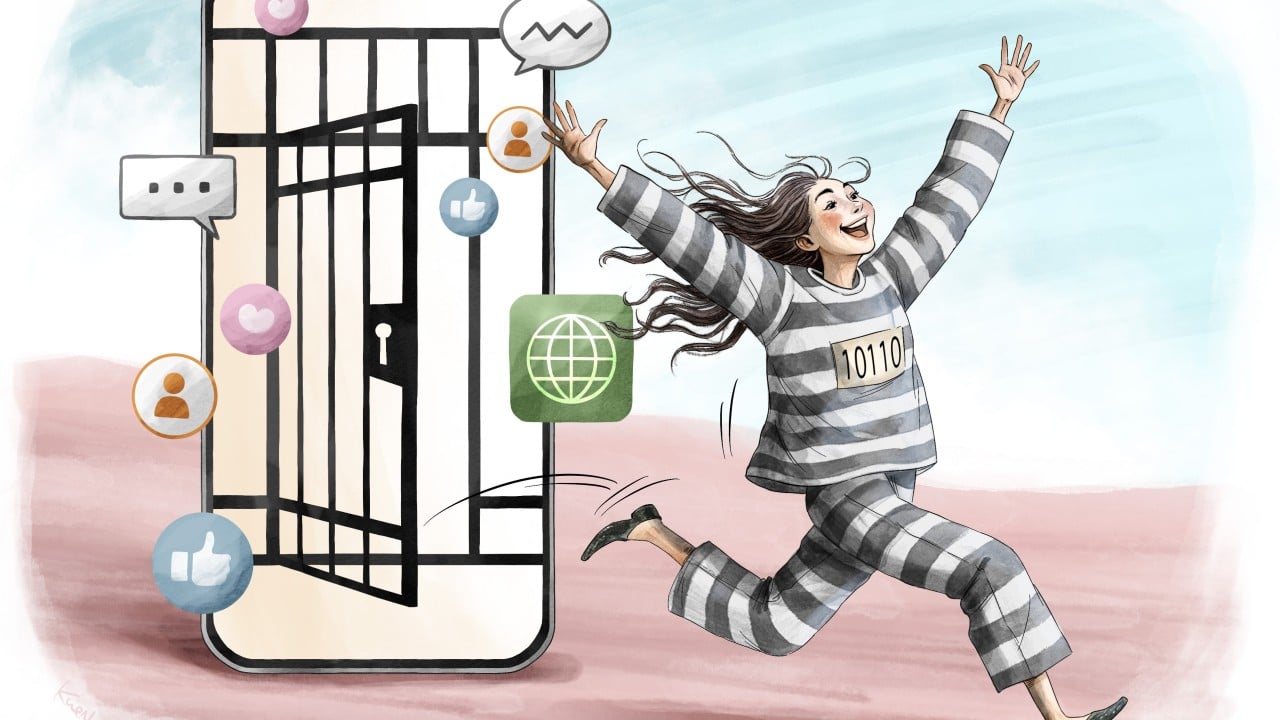
You checked your phone five times while walking down Des Voeux Road Central this morning. Admit it. You dodged a tram, bypassed a slow-walking tourist, and kept your thumb scrolling through notifications the entire time.
Hong Kong is built for speed. Everything moves fast here. The MTR trains arrive every two minutes, elevators rocket up skyscrapers at terrifying velocities, and your screen refreshes with bad news before you finish your morning espresso. We live in a city that never stops buzzing, pinging, and demanding our attention. For another look, consider: this related article.
That constant noise takes a toll. Burnout isn't a badge of honor anymore; it's a chronic illness. People in this city are waking up to the fact that smartphones are stealing their lives one notification at a time. A digital detox isn't just a trendy wellness retreat for influencers. It's a survival strategy.
The Trap Of Hyper Connectivity
We traded our peace for convenience. You can order dim sum delivery, check stock prices on the Hang Seng Index, reply to WeChat messages from your boss at 11 PM, and stream a YouTube video all on a single six-inch glass slab. Further insight on this matter has been shared by Cosmopolitan.
It feels productive. It is actually a trap.
Psychologists in local universities point out that Hong Kong's hyper-dense environment amplifies tech addiction. When physical space is tight and apartments are tiny, the digital world becomes our primary escape. We retreat behind screens because the real city feels too loud. Then the screen gets loud too.
You lose your ability to focus. Deep work becomes impossible when every headline or WhatsApp ping shatters your concentration. Worse, you stop noticing the actual city around you. The golden hour light bouncing off Victoria Harbour, the scent of fresh pastries from a local bakery, the casual chatter of aunties in a wet market—you miss all of it because your eyes are glued to Instagram.
Carving Out Real Space
How do people actually unplug in a city designed to keep you plugged in? You have to be aggressive about it.
You cannot rely on willpower. Willpower is a finite resource, and tech companies hire teams of behavioral psychologists whose entire job is to keep you hooked. You need physical barriers.
Some Hongkongers are taking extreme measures. They swap their smartphones for old-school feature phones on weekends. Others leave their devices in a drawer when they head out to hike Dragon's Back or explore the quiet beaches of Sai Kung.
I tried a strict weekend blackout last month. No email. No social media. No news apps. The first Saturday morning felt like a phantom limb syndrome. My right thumb kept twitching toward my pocket every three minutes. By Sunday afternoon, something shifted. The ambient anxiety in my chest cleared out. I noticed the sound of rain hitting the window. I read an entire book in one sitting without checking a single notification.
The goal isn't to throw your phone into the harbour. The goal is to reclaim ownership of your attention.
Practical Steps To Disconnect Without Losing Your Job
You cannot quit your phone entirely if your boss expects replies on Signal within ten minutes. Total isolation is a fantasy for most working professionals. You need practical micro-habits that fit into the chaotic rhythm of life here.
Turn off all push notifications except for direct phone calls from family. Your group chats can wait. If it's a true emergency, people will call you.
Keep your bedroom a tech-free zone. Buy a cheap analog alarm clock and leave your phone charging in the kitchen overnight. Staring at blue light until midnight destroys your sleep quality, which ruins your mood for the demanding workday ahead.
Designate specific tech-free windows during your week. Maybe it's Saturday morning during yum cha. Leave the phone in your bag while you eat your har gow and actually talk to the people sitting across the table from you.
Stop treating every spare second as an opportunity to consume content. Stand on the MTR without looking at a screen. Look out the window as the train crosses the harbour. Let your brain be bored for two minutes. Boredom is where creativity lives, and we starved it to death years ago.
Put the phone down today. The notifications will still be there tomorrow, but your life won't wait.