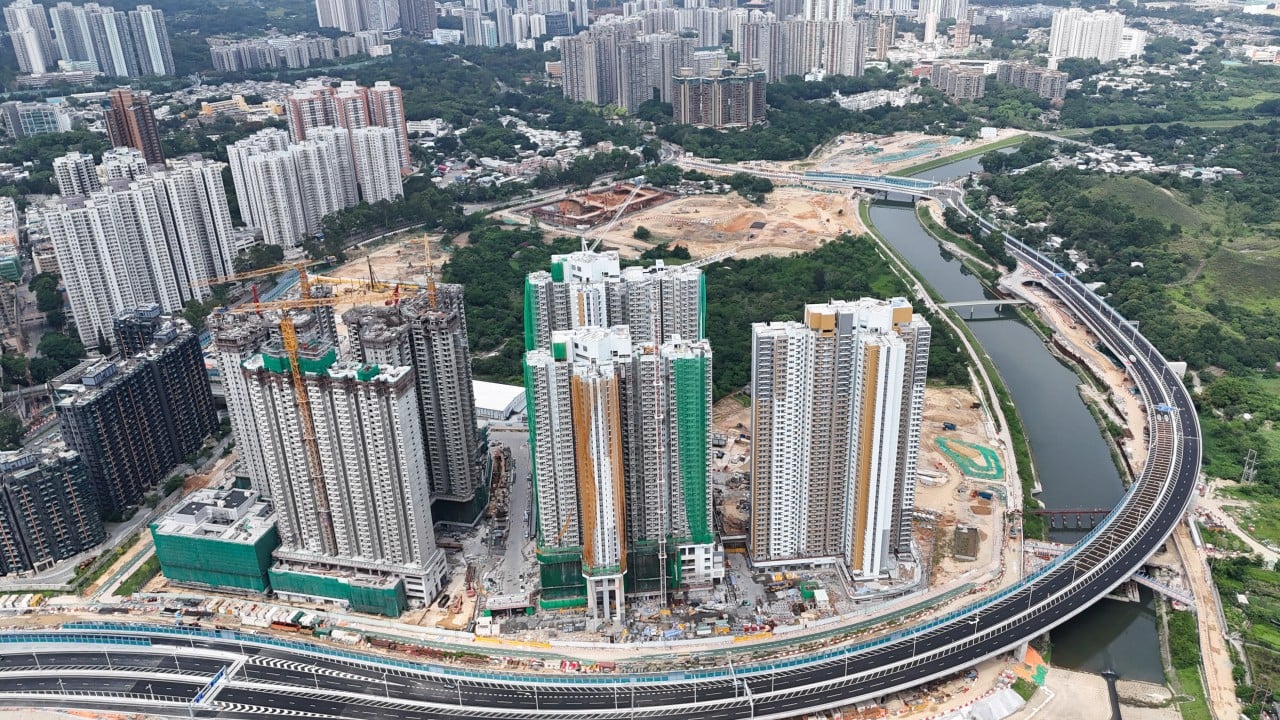
The talk in Hong Kong's professional circles has shifted. As the city gears up to unveil its first five-year plan for 2026-2030, the pressure is on to stop talking about potential and start delivering results. The Hong Kong Institute of Certified Public Accountants (HKICPA) recently made their stance clear: if the Northern Metropolis is going to be the economic engine we keep hearing about, it needs more than just concrete and steel. It needs aggressive tax incentives and a serious overhaul of our listing rules.
If you've been watching the development of this 30,000-hectare project near the mainland border, you know it's a massive undertaking. But enthusiasm isn't enough to lure the kind of global talent and capital we need to make it a true innovation hub. Currently, the city’s standard approach feels a bit tired. We need to get real about what investors are looking for.
The Case for Targeted Tax Incentives
Investors don't move money into new areas just because a government map says it's a "priority zone." They go where the math works. The HKICPA, led by president Stephen Law Cheuk-kin, hit on a critical point: startups often burn through cash for years before turning a profit.
If we want the Northern Metropolis to compete with the likes of Qianhai or other mainland tech zones, we have to make it worth the risk. Here is how that looks in practice:
- Loss Offset Mechanisms: Allow investors to offset early-stage losses against other profits. This is a standard move in mature tech ecosystems that we’ve been slow to adopt.
- Lower Salaries Tax: If we want top-tier talent to move to the north, we need to make the lifestyle shift financially attractive. Lower tax rates for professionals based in the Northern Metropolis would be a massive draw.
- Capital Expenditure Credits: Startups and SMEs need help with initial setup costs. Providing tax credits for eligible R&D expenditures is one way to ensure these companies survive their first few years.
Without these shifts, we're basically asking companies to pay premium costs for unproven infrastructure. It doesn't make sense.
Why Listing Reforms Matter
It’s not just about the Northern Metropolis. The HKICPA and other industry voices are also pushing for changes to how companies list on the Hong Kong stock exchange. We've seen periods of sluggish IPO activity. If our listing regime remains rigid, we aren't just losing companies to other exchanges; we're losing the chance to build a deeper, more diverse financial market.
The proposal to improve the listing regime is about making Hong Kong a destination for more than just traditional blue-chip stocks. We need to capture the next wave of high-growth tech firms that are currently looking elsewhere for capital. This means rethinking our requirements to be more flexible while maintaining the integrity that has always defined our market.
Moving Past the Planning Phase
We've been discussing the "second engine" for the city since 2021. It’s time to stop treating it like a long-term architectural project and start treating it like a business venture. The government’s financial burden is, frankly, massive. Attempting to fund everything through public coffers while relying on old-school land sales is a risky game.
Real success in the Northern Metropolis requires:
- Private Sector Collaboration: We need to use partnership models to raise capital, rather than leaning solely on government funds.
- Clear Regulatory Pathways: Companies need to know exactly how they’ll be taxed and regulated before they sign a lease. Uncertainty is the enemy of investment.
- Connectivity: Infrastructure is priority number one. If the transit links aren't there, the tax breaks won't matter because nobody will want to commute to the borderlands.
The upcoming five-year plan is the perfect moment to pivot. The HKICPA’s suggestions aren't just polite requests; they are a blueprint for how to actually build an economic base that lasts.
Don't wait for the market to force our hand. We need to make these changes now to stay relevant. The era of just being a "super-connector" is over; we need to be a "super-value-adder" that actually creates growth on the ground. Start by implementing the tax breaks, simplify the listing hurdles, and watch how quickly the private sector responds to a better deal. The ball is firmly in the government’s court.