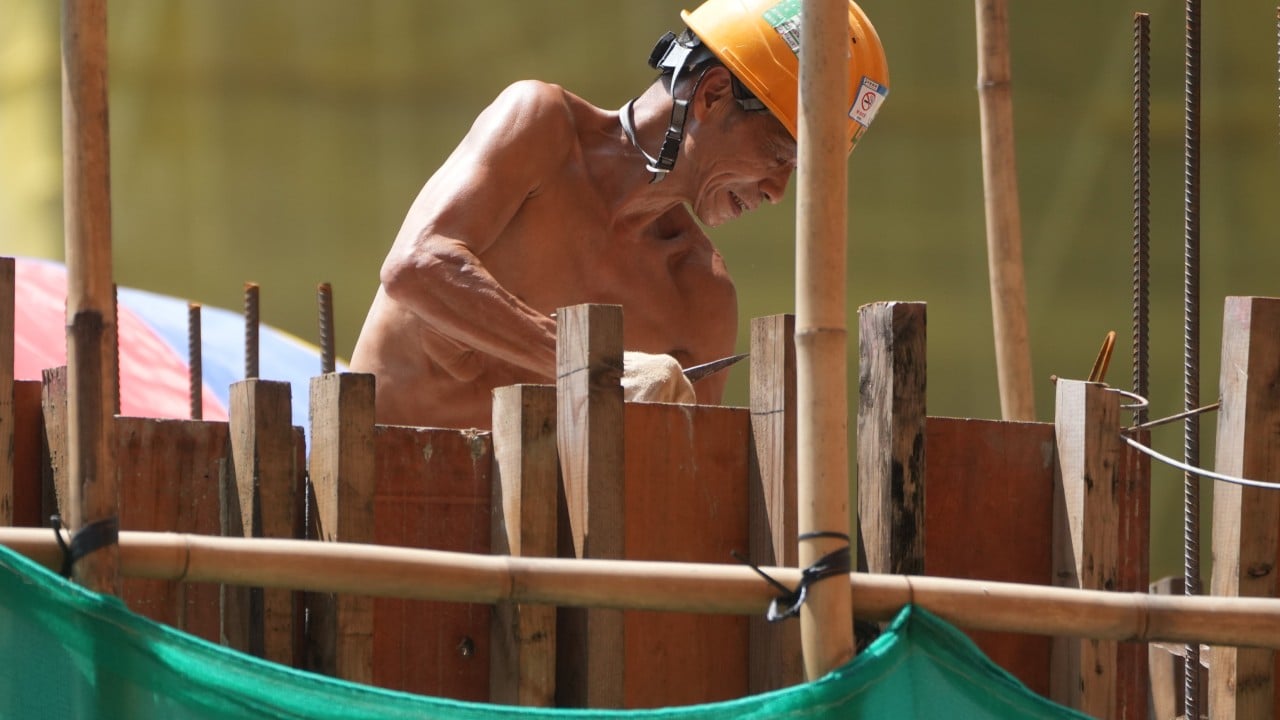
Summer in Hong Kong isn't just hot. It's a grueling test of endurance. Walk down any major construction site or roadwork zone when the mercury spikes, and you'll spot laborers drenched in sweat, wrestling with heavy equipment under a punishing sun. Construction workers, street cleaners, and delivery drivers carry the heaviest burden. They work outside for hours while temperatures soar past thirty-five degrees Celsius, trapped inside concrete canyons where wind rarely reaches.
For years, the official response to this brutal weather has been sluggish. Unions and safety advocates scream for change every single summer. They demand legally binding work stoppages when heat stress crosses dangerous thresholds. Instead, employers get vague guidelines and voluntary warnings. That approach fails. It treats human lives as collateral damage for construction deadlines.
Hong Kong needs a clearer framework for handling high heat on work sites. But what does that actually look like on the ground?
The Problem with Voluntary Guidelines
Let's look at how the current system operates. The Labour Department issues guidelines tied to the Hong Kong Observatory's Very Hot Weather Warning or specific heat stress index readings. Sounds reasonable on paper. In practice? It’s a mess.
Voluntary guidelines lack teeth. If a developer faces massive financial penalties for missing a project deadline, guess what they prioritize? They prioritize the concrete pour, not the well-being of the crew sweating underneath it. Bosses tell workers to take breaks "at their own discretion." Try taking a break when your contractor threatens to dock your pay or replace you with someone desperate enough to work through the heat.
I've spoken with site foremen who privately admit the system is broken. They receive the heat advisories on their phones, but altering project schedules means losing thousands of dollars. Without strict legal enforcement, safety always loses to profit.
"When safety rules are optional, the most vulnerable workers pay the price with their health."
Heat exhaustion isn't just uncomfortable. It kills. It triggers kidney failure, heatstroke, and cardiovascular collapse. When a worker collapses on a scaffolding platform in Kowloon, it's rarely sudden. It's the tragic endpoint of hours of dehydration and ignored symptoms.
What a Real Heat Safety Framework Requires
If the government actually wants to protect outdoor workers, patching up the old guidelines won't cut it. We need a complete overhaul rooted in accountability and science.
Mandatory Work Stoppages
We don't let construction crews work through torrential typhoons. Black rainstorm warnings halt outdoor activity instantly. High heat should trigger the exact same response. When the heat stress index hits a predefined, life-threatening level, all heavy outdoor labor must stop by law. No exceptions for tight deadlines. No pressure from subcontractors.
Heavy Penalties for Violators
A slap on the wrist doesn't deter bad corporate behavior. If a contractor forces employees to labor through a black-tier heat warning, the fines need to hurt. Repeat offenders should face mandatory suspensions from bidding on public infrastructure projects.
Guaranteed Hydration and Cooling Infrastructure
Employers must provide more than a single rusty water cooler at the edge of a massive site. Real shade structures, electrolyte-replenishing drinks, and portable cooling fans must be legally mandated within arms-reach of every active work zone.
Shifting the Burden Away from Workers
One major flaw in the current debate is the expectation that workers should police themselves. We hear phrases like "workers should listen to their bodies and drink water." That sounds nice in a corporate PR statement. It fails in reality.
Workers have families to feed. Many are paid daily wages. If they stop working because they feel dizzy, they lose money. Some fear looking weak in front of their peers. When you create an environment where speaking up about heat exhaustion gets you labeled as lazy or replaceable, your safety policy is a failure before it even starts.
The responsibility has to shift entirely to management. Site safety officers and main contractors must carry the legal liability for heat-related illnesses. If a worker goes down with severe heatstroke, investigators shouldn't just ask if water was available. They must ask why management allowed anyone outside in lethal conditions in the first place.
The Economic Myth of Slowing Down
Developers always push back against stricter rules by citing economic ruin. They argue that mandatory heat breaks will grind Hong Kong's infrastructure boom to a halt.
That argument falls apart under scrutiny. Heatstroke leads to hospitalization, long-term disability, and death. It causes massive absenteeism and ruins productivity anyway. A worker operating heavy machinery while suffering from early-stage heat exhaustion is a liability to everyone on site. They make mistakes. They drop materials. They cause accidents.
Slowing down during peak heat hours protects the workforce and preserves quality control. Healthy workers make fewer errors.
Fixing the System Before the Next Crisis
Summer temperatures in Hong Kong keep climbing year after year. Climate change isn't a distant theory here; it's a daily reality stamped into the pavement. Clinging to outdated, voluntary guidelines is no longer just negligent. It's dangerous.
The framework needs to be clear, enforceable, and backed by law. Stop treating heat safety like an HR suggestion. Treat it like what it is: a fundamental human right to survive the workday.
Inspectors need to visit sites unannounced during peak heat warnings. Unions need legal backing to intervene immediately when conditions turn lethal. Contractors who cut corners on cooling equipment must face severe consequences.
Protecting the people who build this city shouldn't be optional. It's time to demand a system that values human lives over concrete poured a few days early.