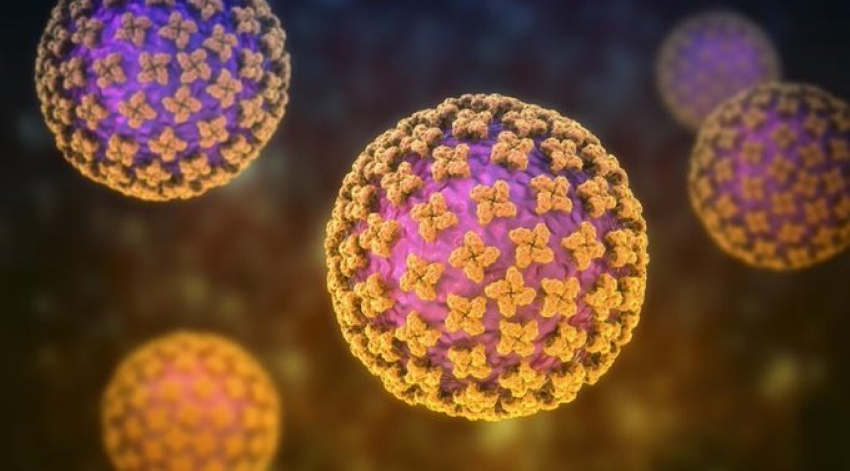
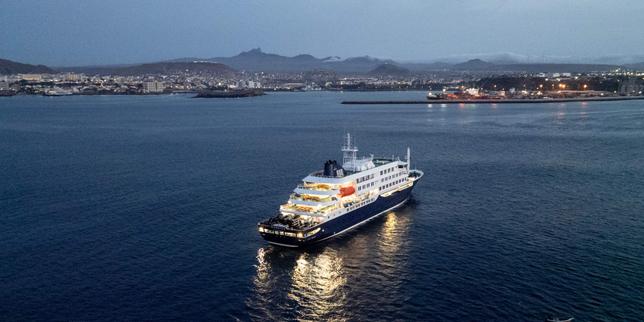
The death of two passengers and the hospitalization of others aboard the MV Hondius expedition ship in early 2025 sent a shudder through the luxury cruise industry. While early speculation leaned toward standard respiratory infections or even food poisoning, the emergence of Hantavirus as the culprit has fundamentally altered the conversation around travel safety in remote regions. This was not a fluke occurrence. It was a failure of biological security on a vessel operating in some of the most isolated environments on Earth.
Hantaviruses are primarily carried by rodents. When humans inhale aerosolized particles of infected rodent droppings, urine, or saliva, the results are often fatal. In the case of the Hondius, the virus didn't just appear out of thin air. It traveled with the ship, tucked away in the very logistics chains that make polar exploration possible. The industry is now forced to confront a grim reality. As we push further into the wilderness, the wilderness is beginning to hitch a ride back with us. For another perspective, consider: this related article.
The Breach in the Hull
To understand how a land-based virus ends up on a multi-million dollar vessel in the middle of the ocean, you have to look at the supply chain. Ships like the Hondius are self-contained ecosystems. They take on thousands of pounds of dry goods, fresh produce, and equipment in bustling port cities before heading south.
Rodents are the ultimate stowaways. They don't need an invitation. A single infected mouse nesting in a crate of shore excursion gear or hidden within a shipment of organic produce is enough to seed an outbreak. Once on board, the ship’s ventilation systems do the rest of the work. They take a localized biological hazard and turn it into an airborne threat for everyone in the vicinity. Similar reporting on this trend has been shared by Travel + Leisure.
The investigation into the Hondius suggests a failure in Integrated Pest Management (IPM). Standard protocols often focus on visible infestations. However, Hantavirus thrives in the invisible. You don’t need a swarm of rats to start a crisis; you only need the dust from one nest disturbed during a routine cleaning of a storage locker.
Geography of a Pathogen
Most travelers associate Hantavirus with the American Southwest or rural South America. This creates a false sense of security for those heading to the Arctic or Antarctic. The specific strain suspected in the Hondius incident points toward a lapse in North American or European port security where the ship was provisioned.
There is a common misconception that cold climates act as a natural disinfectant. They don't. In fact, cold, dry air can help preserve the integrity of viral particles in droppings, making them even more dangerous when they finally become airborne in the heated cabins of a luxury ship.
The Two Faces of Hantavirus
- Hantavirus Pulmonary Syndrome (HPS): Prevalent in the Americas. It attacks the lungs, filling them with fluid until the patient effectively drowns. The mortality rate sits near 40 percent.
- Hemorrhagic Fever with Renal Syndrome (HFRS): More common in Europe and Asia. It targets the kidneys. While generally less fatal than HPS, it is still a grueling, life-threatening illness.
The Hondius victims displayed symptoms consistent with rapid pulmonary failure. This suggests a highly virulent strain likely picked up during a recent dry-dock or a major restocking event. The speed of the onset was the most terrifying factor. One day, a passenger is photographing a glacier; forty-eight hours later, they are in a medically induced coma.
The Luxury Blind Spot
Polar cruising has exploded in popularity. This growth has outpaced the medical infrastructure required to support it. When you are ten days away from a Tier-1 trauma center, your ship’s infirmary is your only hope. But most shipboard clinics are designed to handle seasickness, minor slips, and the occasional cardiac event. They are not equipped for bio-containment or high-level respiratory support.
The Hondius carried advanced medical equipment, yet the staff was still overwhelmed. Why? Because the diagnostic tools for Hantavirus are not part of a standard maritime medical kit. Doctors treated the symptoms of pneumonia, unaware that every breath the patients took was recirculating the very pathogen killing them.
The cruise industry relies on a "clean ship" image. Admitting that a vessel has a rodent problem is a marketing nightmare. This leads to a culture of silence. Crew members might see signs of pests and handle them quietly with a trap and a trash bag, not realizing they are handling a biological weapon.
The Economic Impact of a Biological Trace
For the owners of the Hondius, the cost of this tragedy extends far beyond the legal settlements. The ship had to be taken out of service for a deep-to-deck decontamination. This involves more than just a spray of bleach.
Professional bio-hazard teams must strip panels, replace HEPA filters, and use hydrogen peroxide vaporization to ensure the virus is eradicated. The revenue loss from canceled voyages alone is staggering. When you add the inevitable spike in insurance premiums for "expedition-class" vessels, the math becomes unsustainable for smaller operators.
Necessary Changes to Maritime Protocol
- Mandatory Viral Screening for Shore Gear: Every piece of equipment that leaves and enters the ship must be treated as a potential vector.
- Aerosolized Detection Systems: Future ship designs need sensors capable of detecting organic particulates in the HVAC systems.
- Enhanced Port Audits: Cruise lines can no longer trust third-party suppliers blindly. They need their own inspectors on the ground at every major provisioning stop.
A Question of Responsibility
Who is at fault when a passenger dies of a rare virus in the middle of the Weddell Sea? The cruise line will point to the suppliers. The suppliers will point to the port authorities. But the traveler only sees the brand name on the hull.
The legal fallout from the Hondius will likely center on "Duty of Care." If the ship's logs show any previous report of rodent activity that wasn't met with a professional-grade response, the liability will be total. It’s a high-stakes game of hide-and-seek where the loser ends up in a body bag.
The industry likes to talk about "leave no trace" tourism. We focus on not leaving trash on the ice or disturbing the penguins. We have spent far less time thinking about what we are bringing onto the ship from the world we left behind.
The Logistics of the Invisible
The sheer scale of modern expedition ships makes them vulnerable. A vessel carrying 200 passengers requires a massive amount of cardboard packaging. Cardboard is the preferred nesting material and transport vehicle for deer mice and other Hantavirus carriers.
If an operator is serious about safety, they have to move toward a "Zero-Cardboard" policy on board. Everything must be transferred to plastic crates before it ever touches the gangway. This is expensive. it is labor-intensive. It is also the only way to ensure that a ship remains a sanctuary rather than a floating petri dish.
Beyond the Arctic Circle
This issue isn't limited to the Hondius or the polar regions. Any long-haul cruise that spends weeks away from port is a potential staging ground for an outbreak. We have spent years worrying about Norovirus because it ruins a vacation. We should be much more worried about Hantavirus because it ends a life.
The medical community is calling for a standardized "Cruise-Strain" database. By sequencing the viruses found on ships, we can trace them back to specific warehouses and ports. This level of transparency is currently missing. Most cruise lines treat their internal health reports like state secrets, fearing the impact on bookings.
The Future of Remote Exploration
The tragedy on the Hondius was a warning shot. The era of assuming that a luxury price tag equals biological safety is over. As we push into the most extreme environments on the planet, our logistics must become as rugged and sophisticated as the ships we build.
If you are planning a trip to the ends of the earth, you have to ask harder questions. Don't ask about the thread count of the sheets or the vintage of the wine. Ask about the pest management logs. Ask about the HEPA filtration in the cabins. Ask about the specific training the medical staff has for zoonotic diseases.
The wilderness doesn't care about your itinerary. It doesn't care about your status or your bucket list. It only cares about the paths we open up. If we are going to bridge the gap between civilization and the wild, we have to be prepared for what crosses that bridge in the other direction.
The survival of polar tourism depends on a total overhaul of the supply chain. Anything less is just waiting for the next ship to send out a distress signal. Stop looking at the horizon and start looking at the vents.