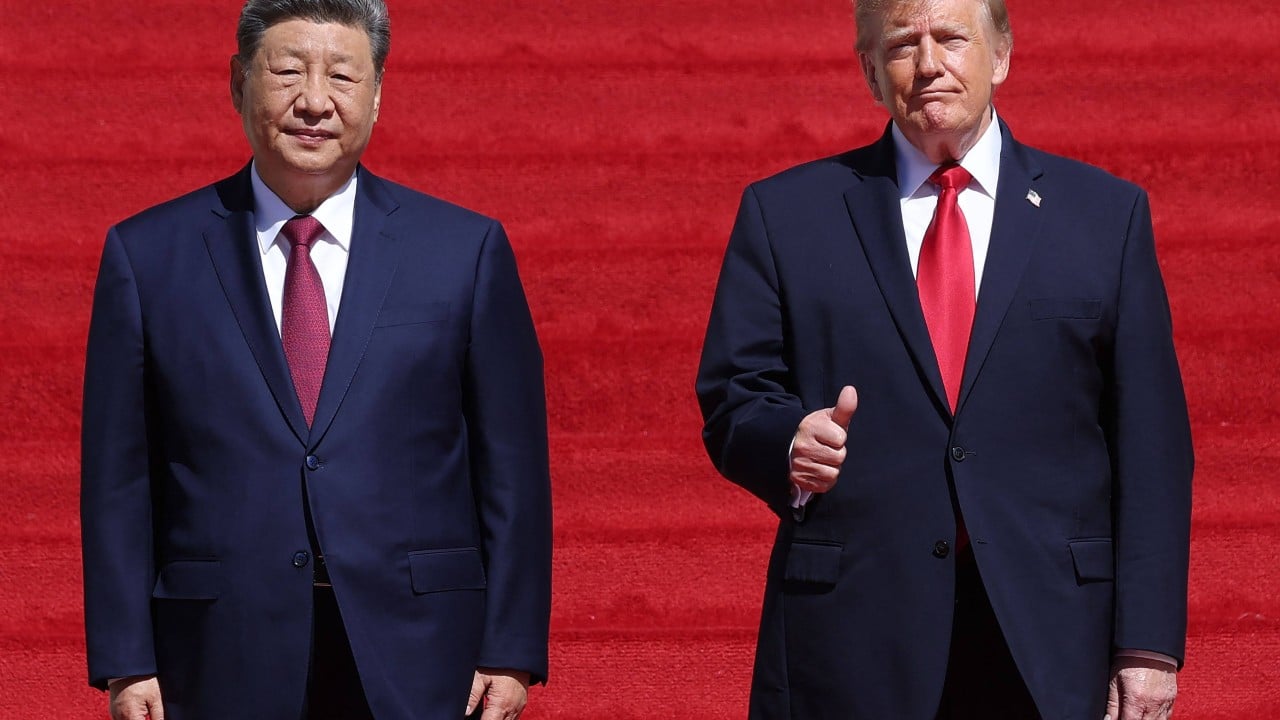
The grand pageantry deployed at the White House for Chinese President Xi Jinping’s visit concealed a sobering reality that foreign policy veterans have watched unfold with mounting unease. Beneath the glittering state dinners and carefully choreographed photo-ops lies an alarming substance deficit, leaving Washington and Beijing to manage a deteriorating strategic landscape through superficial theater rather than durable policy agreements. When high-level diplomacy is reduced to exchanging pleasantries and superficial trade kick-cans, the underlying structural collision course between the world's two dominant superpowers accelerates unchecked.
For years, analysts have pointed to the structural friction points governing U.S.-China relations—namely, advanced technology supply chains, regional maritime security, and the sovereignty status of Taiwan. Yet the recent high-stakes summit in Washington produced little more than a temporary two-month extension on a fragile tariff truce and vague commitments to ongoing dialogue. Treasury Secretary Scott Bessent and his Chinese counterparts managed to keep the machinery of commerce turning for a few more weeks, but they avoided tackling the hard architecture of trade imbalances or the weaponization of critical mineral supply chains. Kicking the can down the road is not a strategy; it is a tactical retreat disguised as statesmanship.
Consider the stark divergence in how both capitals approached the emerging domain of artificial intelligence. While the White House signaled a preference for minimal oversight, opting to let existing legal frameworks handle the immense disruptions of computational power, Beijing’s leadership framed algorithmic development as an arena requiring strict, centralized state control. This is not merely a philosophical disagreement over tech regulation. It represents a fundamental split in how two rival systems intend to govern the foundational infrastructure of the twenty-first-century economy. When leaders bypass these systemic divergences with casual declarations that they want to "leave things where they are," they ignore the reality of a zero-sum race for technological dominance.
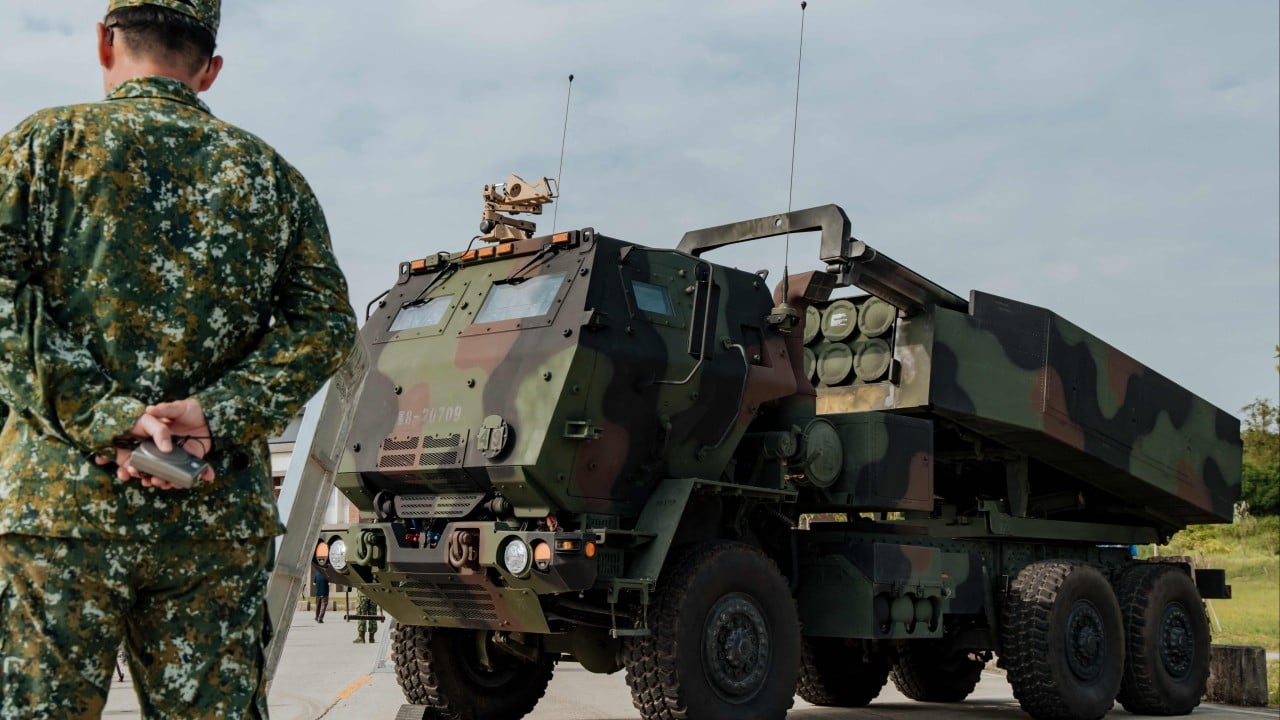
Then there is the persistent shadow of the Taiwan Strait. Behind closed doors, Beijing's delegation pressed hard for Washington to alter its long-standing posture, demanding explicit opposition to formal Taiwanese independence. While the administration held its ground against outright policy capitulation, the administration's past hesitation regarding pending security assistance packages has created dangerous ambiguities. Allies across the Indo-Pacific region are watching closely, parsing every delay in military support as a potential signal of wavering American resolve. Treating multi-billion-dollar security assistance packages as flexible negotiating chits invites miscalculation from a military planner in Beijing who may mistake transactional politics for strategic exhaustion.
Critics inside national security circles have taken to describing this dynamic as diplotainment—a spectacle designed for domestic television screens that substitutes genuine risk reduction with ceremonial pageantry. When presidents spend valuable minutes touring new lawn installations or trading polite historical anecdotes about World War II alliances while ignoring coercive naval drills in the South China Sea, the message sent to regional partners is one of strategic drift. Beijing secures valuable international photo-ops and standardizes its preferred diplomatic framing without altering its operational behavior on the water or in the supply chain.
The upcoming multilateral gatherings later in the year, including scheduled engagements in Miami and abroad, will test whether either side can move past transactional photo-ops into binding frameworks. Without concrete mechanisms to monitor technology transfers, stabilize maritime flashpoints, and institutionalize crisis communication, these summits serve merely as expensive staging grounds for the next inevitable crisis.