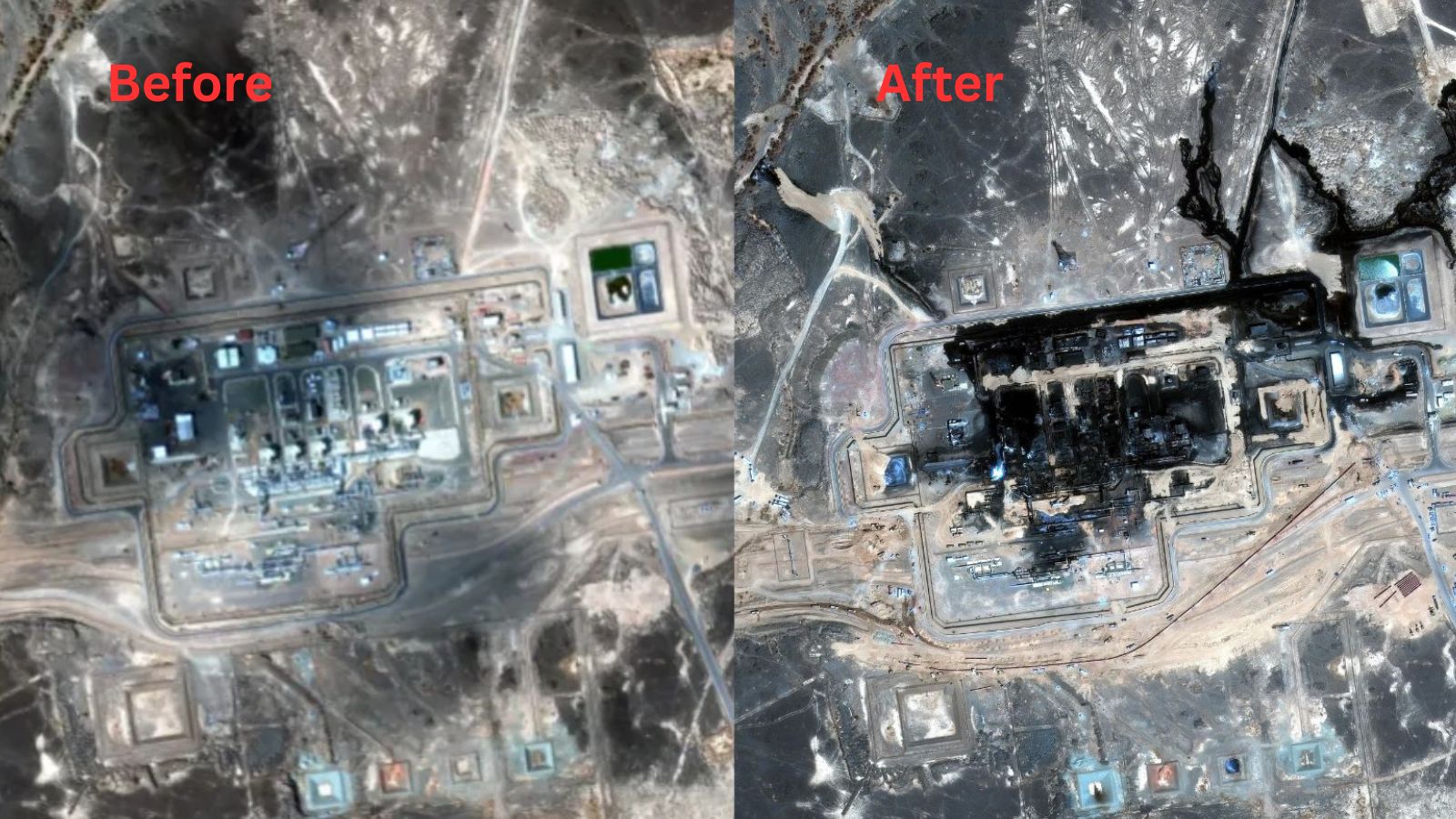
Crude oil prices are surging past thresholds that central bankers whisper about in closed-door briefings, and the illusion of imminent interest rate cuts in the United Kingdom is shattering. When Brent crude climbs, the shockwaves do not stop at the petrol station forecourt. They bleed into manufacturing supply chains, freight logistics, home heating bills, and eventually, the core inflation metrics that dictate monetary policy. Threaded through every barrel of imported oil is a direct tax on British consumers and businesses.
For months, Threadneedle Street has tried to project a calm exterior. The prevailing narrative suggested that inflation was marching sustainably back toward the two percent target, clearing the runway for monetary easing. Markets priced in multiple reductions over the coming quarters. Corporate boardrooms planned their capital expenditure around cheaper borrowing costs. That consensus was built on sand. As commodity markets tighten due to persistent geopolitical friction and restrained supply quotas, the cost of energy is rewriting the macroeconomic playbook. You might also find this similar coverage insightful: Structural Mechanics of Corporate Retroactive Taxation Under Fiscal Strain.
To understand why the Bank of England is dusting off contingency plans for higher rates rather than cuts, you have to look past headline consumer price index figures and examine the transmission mechanism of energy shocks. Central banks operate on models calibrated for stable inputs. When energy markets fracture, those models break down. An oil spike acts as a double-edged sword. It depresses economic growth by taxing disposable incomes, yet it simultaneously pushes price indices upward. This is the nightmare scenario for monetary policymakers. Do they slash rates to rescue a stagnating economy and risk unanchoring inflation expectations? Or do they keep borrowing costs restrictive, or even push them higher, to crush second-round price effects while driving already fragile businesses toward insolvency?
The answer lies in the behavior of wage-setters and corporate pricing desks. When energy costs spike, firms cannot simply absorb the margin compression. They pass the burden down the chain. Logistics companies tack on fuel surcharges. Retailers raise prices to cover transportation overheads. Workers demand higher nominal wages to offset the rising cost of commuting and heating their homes. This is how a localized commodity shock metastasizes into generalized inflation. Andrew Bailey and the Monetary Policy Committee know this history well. They lived through the fallout of the supply chain crises of recent years. They understand that losing control of inflation expectations is far more dangerous than allowing growth to flatline for a few quarters. As extensively documented in detailed articles by Investopedia, the effects are notable.
Consider the structural vulnerability of the British economy. Unlike self-sufficient energy producers, the United Kingdom imports a significant portion of its hydrocarbon needs. North Sea output continues its long, inevitable decline, leaving British industry at the mercy of international price volatility. Every geopolitical flashpoint in the Middle East or disruption in vital maritime trade routes hits British balance sheets with disproportionate force. When global oil benchmarks rise, sterling often faces downward pressure due to the deteriorating terms of trade, compounding the imported inflationary pulse.
Financial markets are notoriously slow to reprice risk until the reality becomes unavoidable. For weeks, traders treated the oil rally as a transitory blip, assuming that softening global demand would eventually cap commodity prices. That assumption ignores the structural underinvestment in traditional energy extraction over the past decade. Capital expenditure in fossil fuels has lagged behind consumption growth, creating a fragile supply buffer. When demand holds steady in economies like the United States and parts of Asia, any minor supply disruption creates an immediate price spike.
This environment leaves the Bank of England with vanishingly few good options. If the central bank attempts to look through the energy shock and proceeds with rate cuts, it risks signaling to currency markets that it no longer takes its inflation mandate seriously. A weak currency combined with high oil prices is a recipe for runaway import inflation. Imported inflation does not care about domestic economic stagnation. It forces prices upward regardless of whether consumer demand is healthy or depressed.
Therefore, the prospect of a rate hike is creeping back into institutional discussions not as an absurdity, but as a genuine risk management tool. Central banks hate reversing direction abruptly. It shatters market credibility and induces panic across debt-laden sectors. Yet, central bankers hate persistent inflation even more. If core inflation metrics tick upward over the next two publication cycles, the Monetary Policy Committee will be cornered. They will have to choose between maintaining credibility on price stability or protecting households from mounting mortgage pressures. History suggests that when central banks are forced to choose between these two evils, they lean toward defending the currency and the price index, leaving borrowers to absorb the blow.
The fallout from this dynamic will extend far beyond financial markets. Small and medium enterprises, already operating on razor-thin margins after years of post-pandemic turbulence and soaring labor costs, face a brutal squeeze. They cannot pass infinite price increases onto consumers whose real incomes are shrinking under the weight of utility bills and housing costs. Defaults will rise. Insolvencies will mount. Commercial real estate will feel the secondary tremors as tenant businesses renegotiate or abandon lease agreements.
The political class will attempt to lay blame on external actors, pointing fingers at international cartels and geopolitical adversaries. Rhetoric, however, cannot alter the arithmetic of energy-driven inflation. The structural realities of global trade and commodity dependence dictate the terms of engagement. By the time the macroeconomic data fully reflects the reality of the current oil surge, the debate over when the central bank will ease monetary policy will look like a relic of a different economic era entirely.
The financial press will continue to parse every syllable uttered by monetary officials for clues, looking for reassurance in a landscape defined by uncertainty. But words cannot override the math of a supply-driven cost shock. As energy markets continue to reprice global risk, the illusion of painless disinflation dissolves. The British economy is about to discover how little room for error remains when external shocks collide with domestic stagnation.