The rain in London doesn’t fall so much as it drifts, a fine, relentless mist that blurs the edges of the grand limestone townhouses standing guard near Buckingham Palace. Inside one of these five-storey sanctuaries, the air is warm, quiet, and entirely detached from the cold reality of the streets below. It is the kind of space where decisions are made not by votes, but by whispers.
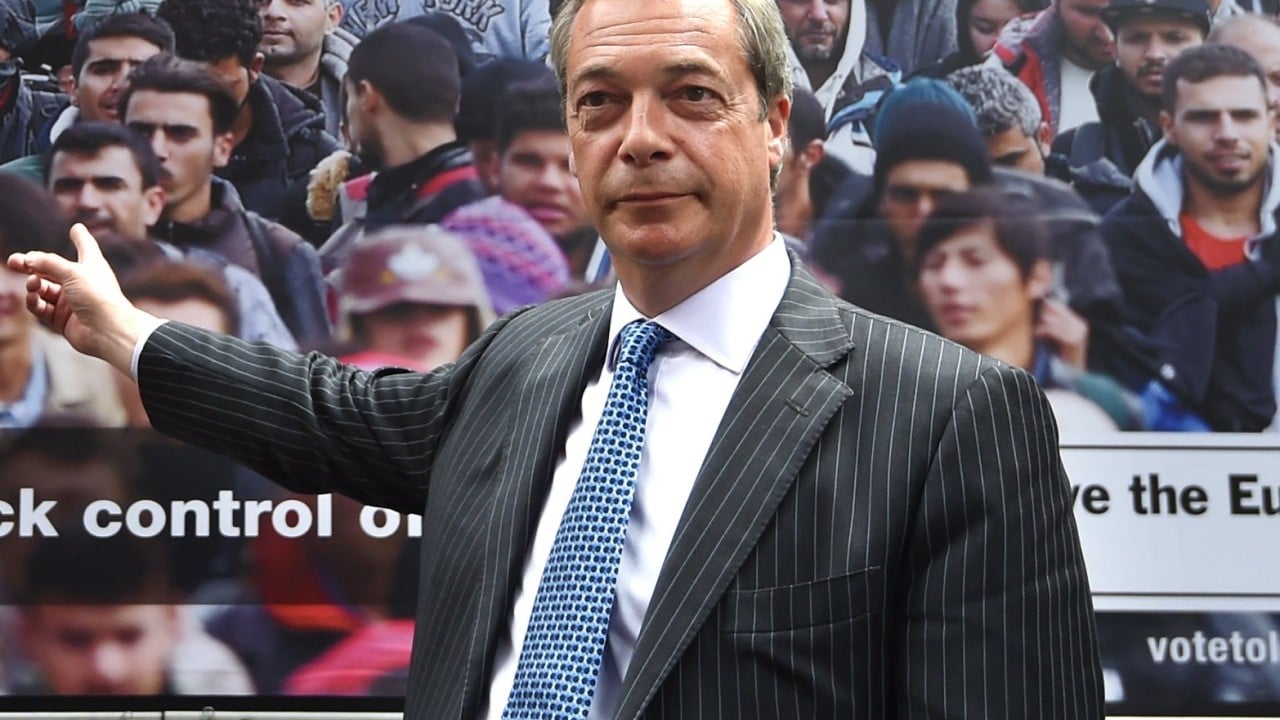
For months, this was the quiet backdrop for one of the most polarizing figures in modern British history. Nigel Farage, the leader of Reform UK, didn’t just visit; he stayed here. Outside the doors, ex-military bodyguards stood watch, scanning the crowds. In the background, digital specialists tapped away on keyboards, crafting the viral, sharp social media videos that would propel an anti-establishment movement straight into the halls of Parliament.
None of this came cheap. Yet, on paper, none of it seemed to cost Farage a single penny.
The money belonged to George Cottrell. He is a 32-year-old crypto entrepreneur born into an aristocratic dynasty, a man whose past includes an eight-month stretch in an American federal prison after pleading guilty to wire fraud in 2017. Cottrell allegedly paid for the townhouse. He paid for the private security. He paid the bank transfers that kept Farage’s digital machine humming through the crucial months leading up to the 2024 general election.
But when the election dust settled and the new Member of Parliament for Clacton filled out his mandatory register of financial interests, these everyday luxuries were conspicuously absent.
Now, the silence has broken.
The Parliamentary Commissioner for Standards, Daniel Greenberg, faces mounting pressure to open a second frontline investigation into Farage’s financial world. Liberal Democrat MP Josh Babarinde officially requested the probe after details leaked into the Sunday press. It leaves the Reform leader fighting a multi-front war over the currency of political influence. Farage is already under the microscope for a staggering, previously undisclosed £5 million gift from Thailand-based cryptocurrency billionaire Christopher Harborne.
To the casual observer, the debate looks like a dense thicket of bureaucratic red tape. Critics point to the rulebook, which states with absolute clarity that any freshman MP must declare "registrable benefits"—including gifts, hospitality, and services worth more than £300—received in the year before their election.
Farage’s allies offer a simple defense: these weren’t political donations. They were the gestures of an old friend.
Robert Jenrick stepped forward to defend the arrangement, arguing the support occurred when Farage was merely a TV presenter and reality television personality, not an active candidate. Under the current rules, purely personal gifts from friends and family are exempt from public scrutiny if they cannot reasonably be seen as connected to political goals.
But the real problem lies elsewhere. In the court of public opinion, the line between personal affection and political currency is never straight.
Consider the paradox at the heart of Farage’s entire political identity. He built an empire by positioning himself as the ultimate outsider, a champion for the forgotten working-class towns like Clacton, fighting against a corrupt, wealthy elite that rigs the system for its own benefit. His rhetoric paints Westminster as a playground for vested interests.
Yet, the scaffolding supporting his lifestyle is built entirely by the ultra-wealthy.
When questioned about the £5 million Harborne gift earlier this year, Farage’s explanations shifted like sand. First, he claimed the money was strictly for his personal safety, an unconditional shield to ensure he would be secure for the rest of his life. Later, he mused that it was a reward for his work on Brexit, defiantly declaring he could spend it on Ferraris or horse betting if he chose.
But money at that scale rarely exists in a vacuum. Just months after entering Parliament, Farage secured a private meeting with Bank of England Governor Andrew Bailey. During that session, he aggressively lobbied against a state-backed digital pound—a policy position that perfectly aligned with the financial interests of private stablecoins like Tether, where his billionaire benefactor Harborne holds massive investments. Farage later publicly boasted about softening the central bank's stance.
Is it pure coincidence? Or is it the invisible machinery of political leverage at work?
This is the psychological knot that voters must untangle. When an anti-establishment hero relies on the private jets, luxury townhouses, and multi-million-pound checks of crypto-magnates and convicted fraudsters, the populist narrative begins to fracture. It forces a uncomfortable question: who does a politician truly serve when their daily survival is bankrolled by the few?
If the standards watchdog finds a serious breach of the rules, the consequences will be severe. A suspension from the House of Commons lasting ten days or more could trigger a recall petition, forcing Farage to fight for his Clacton seat all over again.
As the fine London mist turns to a steady downpour, the luxury townhouses remain standing, solid and unmoving. But the political ground beneath them is shifting, proving that in the high-stakes game of power, the most expensive gifts are the ones you try to keep hidden.