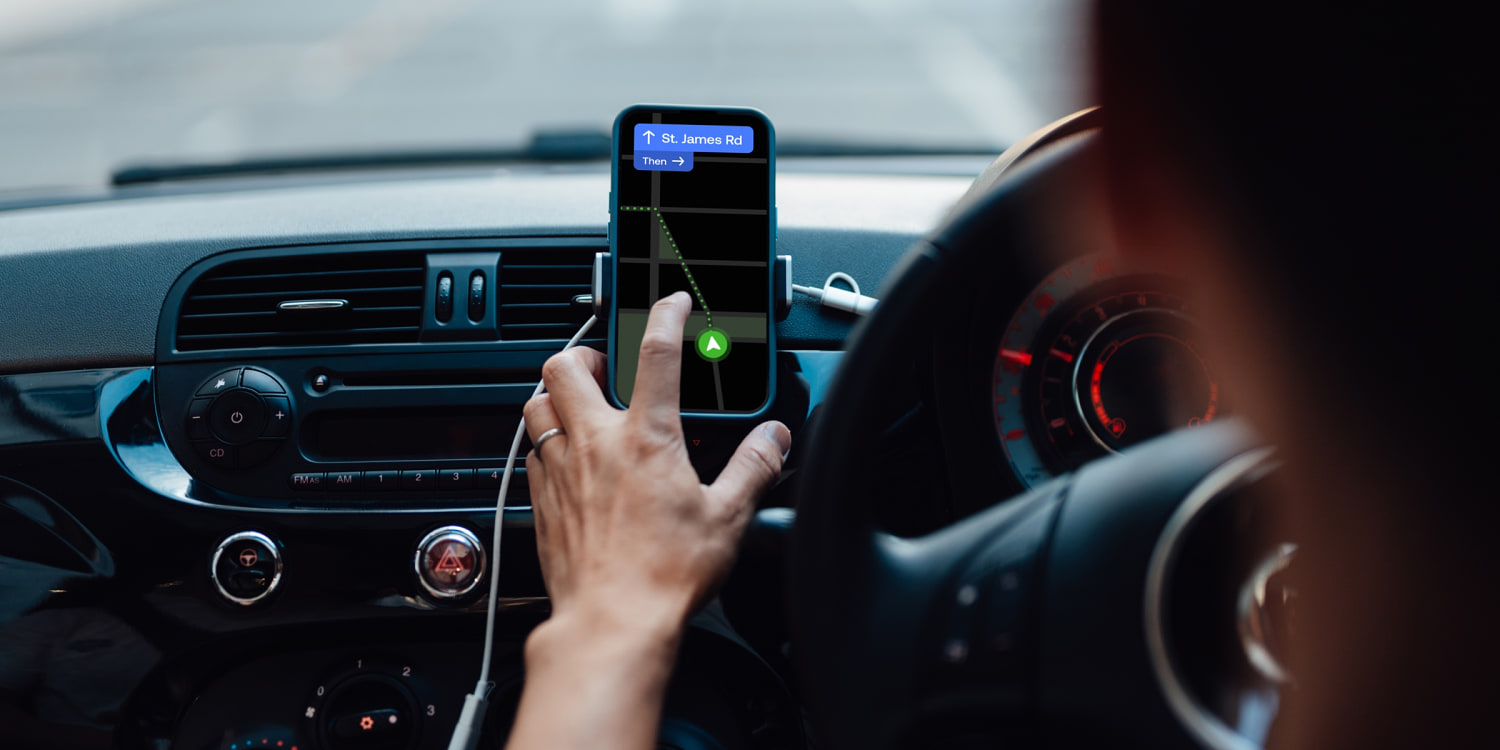
Drivers across the country face a stark new reality. Distracted driving laws have tightened drastically, transforming minor glances at glowing screens into costly misdemeanor offenses. States are rolling out hands free mandates at a staggering pace, criminalizing the physical handling of mobile devices behind the wheel. The legislative objective is simple to state and nearly impossible to execute. Eliminate driver distraction and save lives on public roadways.
The practical outcome, however, diverges sharply from the legislative intent. Expanding on this idea, you can also read: The Nine Hundred Year Journey of Stitched Silk and Crossed Seas.
Law enforcement agencies now rely on high-tech optical sensors, specialized traffic cameras, and elevated patrol vantage points to catch motorists holding a smartphone. Fines climb rapidly with each repeat offense, and insurance premium hikes follow close behind. Drivers desperately search for compliance strategies, purchasing magnetic dashboard mounts, Bluetooth earpieces, and voice-activated infotainment upgrades.
Yet, the fundamental premise of the hands free mandate rests on a flawed understanding of human cognition. Analysts at USA Today have also weighed in on this matter.
The Cognitive Fallacy Behind the Wheel
Policy makers treat physical manipulation as the sole vector of danger. This assumption ignores decades of rigorous psychological research on cognitive distraction. Operating a motor vehicle demands constant sensory processing, spatial awareness, and rapid decision-making.
When a driver engages in a complex phone conversation, the brain diverts critical neural resources away from the primary task of driving. Magnetic dashboard mounts keep the device out of the hand, but they do nothing to pull the mind back to the asphalt. A motorist dictating a lengthy text message via voice commands remains just as cognitively detached from the road as someone typing it manually.
The Illusion of Safety
Automakers capitalized on this legislative blind spot. Modern cabins feature massive, center-console touchscreen interfaces designed to bypass physical phone bans. Drivers must now navigate deeply nested digital menus to adjust the cabin temperature, change the radio station, or enter a destination into the navigation system.
This architecture introduces an insidious hazard. A physical button provides tactile feedback, allowing a motorist to find a control by touch alone while keeping their eyes locked forward. A flat touchscreen demands visual confirmation. Drivers must stare at a secondary display to verify that their finger struck the correct digital target.
Legislation prohibits holding a phone, yet permits interacting with a dashboard tablet that requires equal or greater visual attention. This regulatory contradiction exposes a profound disconnect between lawmakers and the realities of modern automotive engineering.
Enforcement Mechanics and Privacy Concerns
Policing distracted driving has evolved far beyond an officer pulling over a driver for weaving across lanes. Automated enforcement networks now deploy advanced photo-imaging systems capable of peering through windshields at highway speeds.
These automated systems capture high-resolution images of vehicle cabins. Algorithms scan for the silhouette of a mobile device or the distinct posture of a texting motorist. When the system flags a potential violation, a citation is generated and mailed directly to the registered owner of the vehicle.
This surveillance apparatus raises urgent civil liberties questions.
Capturing interior images of private vehicles on public roads creates massive repositories of sensitive visual data. Millions of innocent commuters have their cabins photographed every day. Law enforcement agencies insist these images are purged if no violation occurs, but public transparency regarding data retention policies remains inconsistent. Citizens trade fundamental privacy protections for the promise of automated highway safety.
Furthermore, evidentiary disputes run rampant in traffic courts. Disputing an automated distracted driving ticket requires drivers to prove a negative. If a camera captures a motorist holding a dark rectangular object near the steering wheel, the burden of proof shifts heavily to the accused. Was the driver holding a phone, a GPS unit, a notepad, or a breakfast sandwich? Traffic magistrates often defer to automated sensors, leaving motorists with few viable avenues for appeal.
Navigating the Regulatory Minefield
Staying compliant requires more than simply tossing the phone onto the passenger seat. Laws vary wildly across state lines, creating a fragmented legal landscape for interstate travelers.
- The Zero-Touch Standard: Jurisdictions enforcing absolute prohibitions ban any physical contact with a mobile device. Picking up a phone to check directions while stopped at a red light constitutes a violation.
- The Exempt Exception: Some states permit touching a device strictly for emergency communication with public safety agencies, though proving the nature of the call often falls on the motorist.
- The Minor Operator Clause: Nearly every state imposes stricter regulations on drivers under the age of eighteen, frequently banning hands free accessories entirely to mitigate developmental vulnerabilities in hazard perception.
Commercial drivers face an even harsher regulatory framework governed by federal transportation authorities. Interstate truckers caught handling a mobile device risk immediate commercial driver's license disqualification and severe corporate penalties. Fleets respond by installing inward-facing artificial intelligence cameras that monitor driver gaze direction and blink rates in real time.
The professional driving experience has transformed into an environment of relentless surveillance under the banner of compliance.
The Economic Impact on Consumers and Fleets
The financial fallout extends far beyond initial traffic citations. Insurance underwriters incorporate telematics data, moving violations, and automated safety flags directly into risk assessment models. A single distracted driving conviction can trigger exponential rate hikes, pricing high-risk drivers out of the legal insurance market.
At the same time, the aftermarket accessory industry thrives on consumer anxiety. Retailers market universal dashboard mounts, specialized steering wheel controllers, and automated integration software promising absolute legal safety. Many of these aftermarket additions clutter the forward field of vision, creating new physical obstructions that violate separate safety statutes regarding clear windshields.
Lawmakers continue to draft tighter restrictions without addressing the structural design of modern consumer electronics and automotive cockpits. Until regulatory frameworks align with the neurological realities of cognitive distraction, hands free laws will remain an expensive exercise in symptom management rather than a genuine solution to roadway safety.