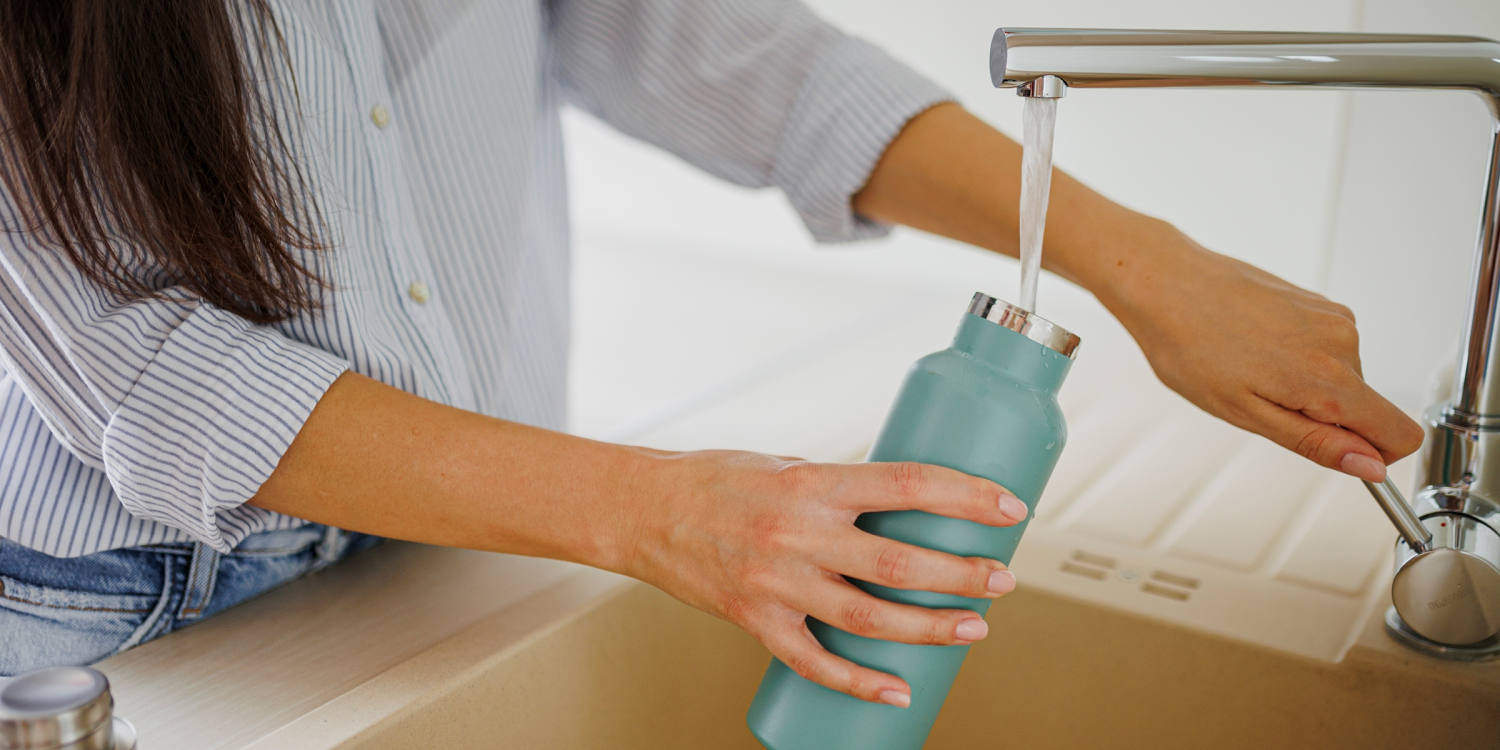
You take a refreshing sip from your favorite insulated steel flask, and instead of crisp hydration, you catch a distinct, musty tang. That metallic or swampy odor is not your imagination. It is the signature scent of a thriving microbial colony. For years, the marketing around reusable water bottles focused entirely on sustainability and eco-conscious living. Nobody wanted to talk about the dark side of trading single-use plastic for a permanent vessel.
Cleaning a reusable water bottle properly requires far more than a quick rinse under the tap at the end of the day. Most people treat their hydration gear with casual neglect, assuming that plain water leaves nothing behind. That assumption is scientifically false. Every time your lips touch the rim, you introduce skin cells, microscopic food particles, and oral bacteria straight into a dark, humid incubator.
Left unchecked, this environment forms a complex matrix known as biofilm. This microscopic layer protects bacteria from casual rinsing, allowing colonies of Streptococcus, Staphylococcus, and various mold species to establish permanent residence in the crevices of your cap. Water alone will never touch them. Dishwashers often fail to reach the narrow threads of insulated bottles or the intricate silicone valves of modern sports lids.
To eliminate these pathogens permanently, you need to understand how biofilm operates, why standard washing routines fail, and which specific sanitation protocols actually destroy the microbial threat without degrading your equipment.
The Anatomy of Contamination
Water bottles are engineered to keep liquids cold or hot for hours, but those same thermal insulation properties create a stable, temperate breeding ground for microorganisms. When you drink, backwash occurs. Saliva, containing amylase and other proteins, flows back into the main chamber. These organic compounds settle into microscopic scratches along the interior walls of stainless steel or plastic.
Bacteria feed on these organic residues. Once they attach to the surface, they secrete an extracellular polymeric substance. This sticky shield hardens into biofilm. Running hot water over a biofilm-lined surface is like throwing water on a grease fire; it might move things around, but it leaves the core structure completely intact.
Silicone gaskets and straws represent the highest risk areas. Silicone is a porous material that absorbs flavor oils, organic acids, and moisture over time. If you have ever noticed a persistent black speck or a pinkish slime around the rubber ring of your lid, you are looking at mold and Serratia marcescens. These organisms thrive in damp, closed spaces.
Furthermore, straw lids with bite valves are notorious moisture traps. Air cannot circulate effectively inside a folded silicone valve, keeping the interior permanently damp. Without targeted mechanical friction and chemical intervention, these components become vectors for gastrointestinal distress.
Why Standard Washing Fails
The kitchen sponge is perhaps the most efficient distribution vector for bacteria in a modern household. Sinks harbor millions of microorganisms, and using a damp sponge that has scrubbed dinner plates to clean your water bottle merely transfers food-borne pathogens into your drinking vessel. If you are using a sponge that smells slightly sour, you are actively inoculating your bottle with mold spores.
Dishwashers present a different set of obstacles. While high-heat cycles sterilize flat surfaces, narrow-necked bottles block water jets. The interior of a standard insulated flask often remains partially dry or receives only indirect spray during a standard cycle. Furthermore, the exterior paint or powder coating of premium bottles can blister, crack, or fade under the intense thermal stress and harsh detergents of a commercial dishwasher.
Even specialized bottle brushes come with design flaws. A brush with stiff plastic bristles can score the interior lining of stainless steel. These microscopic gouges provide even more surface area for bacteria to anchor themselves during subsequent uses.
Chemical complacency is another common pitfall. Many users rely entirely on mild dish soap. While soap breaks down fats, it lacks the antimicrobial potency required to denature stubborn biofilms or kill mold spores embedded in rubber seals. A clean scent does not equal a sterile surface.
The Protocol for Absolute Sterilization
Achieving a genuinely sanitary bottle requires dismantling every component and employing targeted chemical agents. Forget casual rinsing. You need a systematic approach that breaks down organic residues, strips away biofilm, and neutralizes mold at the cellular level.
Disassembly and Pre-Cleaning
Never wash a bottle as a single unit. Unscrew the primary lid, pop out any silicone O-rings using a blunt non-scratch tool like a wooden toothpick, and detach internal straws or bite valves. Soak all components in warm water mixed with a few drops of mild dish soap for fifteen minutes to loosen surface debris.
The Mechanical Scrub
Discard traditional sponges. Use a bottle brush featuring soft, food-grade silicone bristles or natural fibers that will not scratch metal. Apply a small amount of unscented dish soap directly to the brush head and scrub the interior walls in a circular motion, paying close attention to the shoulder where the neck narrows into the main body.
Deep Sanitization Agents
When soap and water are insufficient, turn to chemistry. You have two primary options for heavy-duty sanitation.
- Distilled White Vinegar and Baking Soda: Fill the bottle one-quarter full with white vinegar, add a tablespoon of baking soda, and expect an immediate effervescent reaction. This bubbling action lifts debris from hard-to-reach corners. Let the mixture sit for thirty minutes before scrubbing and rinsing thoroughly with hot water.
- Unscented Chlorine Bleach Solution: For suspected mold contamination, mix one teaspoon of unscented household bleach with one gallon of water. Fill the bottle with this diluted solution, let it stand for two minutes, and rinse meticulously with cold water. Never mix bleach with vinegar or dish soap containing ammonia, as this creates toxic gas.
Lid and Gasket Maintenance
Drop all small components, including O-rings and silicone spouts, into a bowl of boiling water for five minutes, provided the manufacturer approves thermal sterilization for those specific parts. Alternatively, submerge them in a denture-cleaning tablet solution for fifteen minutes. Effervescent denture tablets release active oxygen that breaks down organic stains and neutralizes odors without leaving a chemical aftertaste.
Drying and Storage Architecture
Cleaning is only half the battle. Storing a damp water bottle seals the fate of your sanitation efforts within hours. Residual moisture combined with ambient room temperature creates an immediate breeding ground for airborne mold spores.
Never store a reusable water bottle with the cap screwed on tightly. This seals any trapped humidity inside the chamber, creating a microscopic greenhouse. Instead, store all vessels completely open and upright in a well-ventilated drying rack.
Silicone gaskets must dry independently of the main lid. If you reassemble a wet bottle immediately after washing, capillary action draws remaining moisture into the threads and seals, neutralizing your deep-clean efforts instantly.
If your bottle develops a stubborn odor that survives vinegar and soap treatments, store it overnight in the freezer. Freezing temperatures do not kill all bacteria, but extreme cold halts metabolic activity and helps eliminate stubborn volatile organic compounds trapped in the pores of plastic or silicone components.
Ultimately, maintaining a pristine hydration routine demands vigilance. Treat your water bottle with the same hygiene standards you apply to your kitchen cutlery, and you will eliminate the invisible microbial load before it ever reaches your immune system.