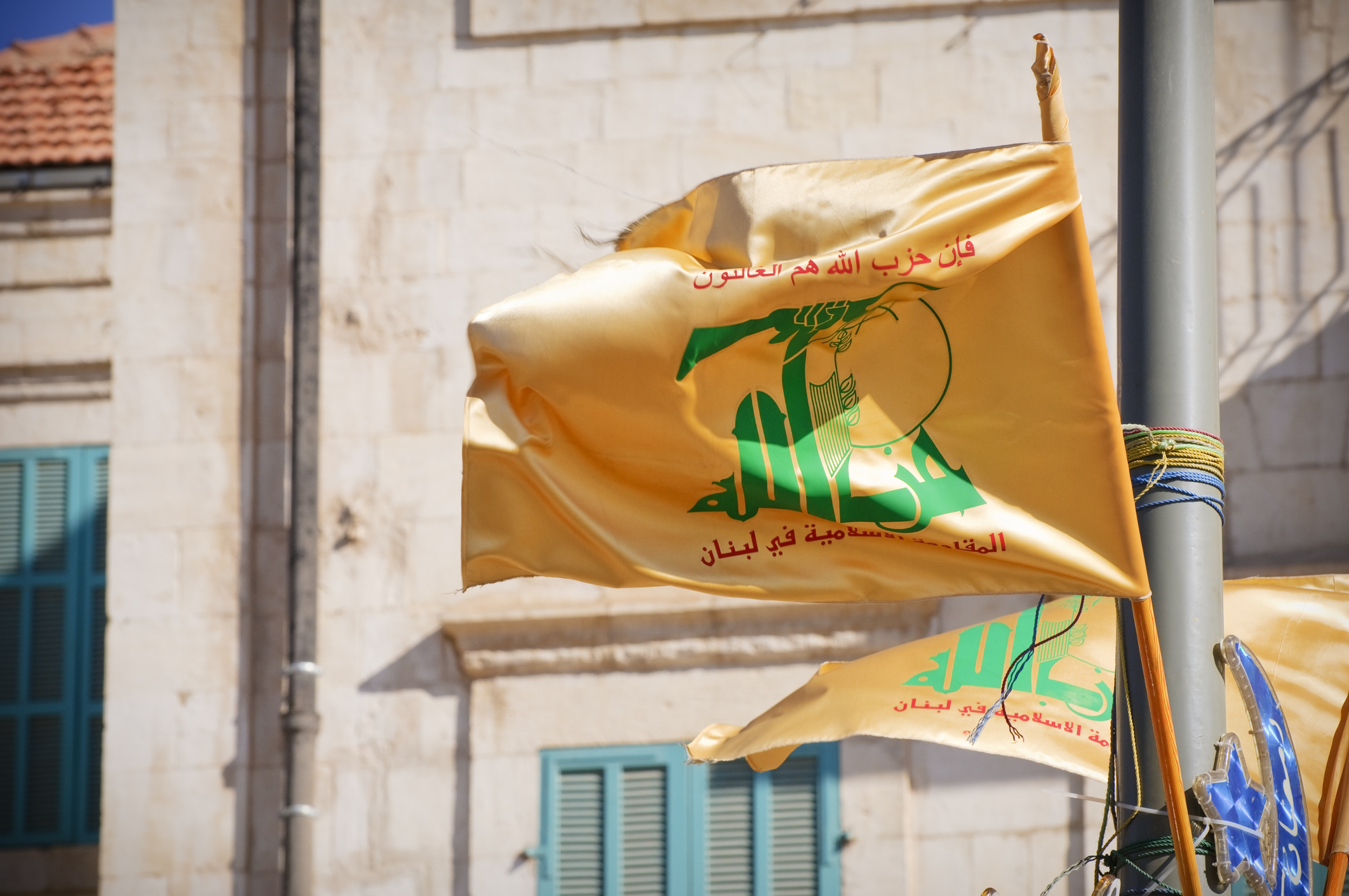
The assumption that a decapitated command structure equates to a collapsed insurgency is a recurring fallacy in modern warfare. While the Israeli Defense Forces (IDF) have systematically dismantled the upper echelons of Hezbollah’s leadership—most notably with the elimination of Hassan Nasrallah—the organization persists as a potent, decentralized military entity. This resilience is not accidental. It is the result of a multi-decade shift from a top-down militia into a cellular network designed specifically to function without a central brain. Despite massive intelligence failures and the physical destruction of its border infrastructure, Hezbollah maintains the capacity to launch dozens of rockets daily and engage in high-intensity ground combat.
The Architecture of Survival
Hezbollah’s staying power resides in its structural redundancy. Unlike a conventional army where the loss of a general might freeze a division, Hezbollah operates on a principle of local autonomy. Commanders at the village level in Southern Lebanon are often granted the authority to operate independently for weeks at a time. They have pre-positioned caches, independent communication lines, and a set of standing orders that do not require constant confirmation from Beirut.
This decentralization acts as a buffer against the precision strikes that have defined the current conflict. When the IDF strikes a central command bunker, the shockwave rarely reaches the tactical units positioned in the valleys of the Litani River. These units are built to fight a war of "active defense." Their goal is not to hold territory in the traditional sense, but to make the cost of occupying that territory unsustainable for the adversary. They trade space for time and casualties.
The sheer volume of Hezbollah’s arsenal contributes to this survival. Even with Israeli estimates suggesting that half of the group’s long-range precision missiles have been destroyed, the remaining inventory numbers in the tens of thousands. Most of these are "dumb" rockets—grad missiles and Katyushas—that require little technical support to launch. They are the ultimate tools of psychological attrition.
The Intelligence Gap and the Pager Operation
The spectacular nature of the pager and walkie-talkie explosions in late 2024 suggested a total compromise of Hezbollah’s internal security. It was a masterclass in signal intelligence and sabotage. However, the tactical success of those strikes did not translate into a strategic surrender.
There is a fundamental difference between disrupting a group’s ability to talk and destroying its ability to fight.
After the initial chaos of the communication breach, Hezbollah reverted to low-tech methods. Couriers, wired landlines, and even visual signals became the norm. This slowed their reaction time, but it also made them nearly invisible to the electronic ears of Israeli intelligence. The reliance on old-school tradecraft is a survival mechanism that high-tech militaries often struggle to counter. You cannot hack a handwritten note carried by a motorcycle driver who knows the back roads of the Bekaa Valley better than any satellite.
The Geographic Fortress
The terrain of Southern Lebanon is perhaps Hezbollah's most loyal ally. The region is a labyrinth of limestone ridges, deep wadis, and man-made tunnels. While the IDF has uncovered and destroyed massive tunnel networks along the Blue Line, the subterranean reality of Lebanon is much deeper than a few border crossings.
Hezbollah has spent twenty years turning civilian villages into "fortified zones." A typical house in a border town might serve as a residence on the top floor and a missile storage facility in the basement. This integration makes every yard of advancement a moral and tactical minefield for the IDF. To clear a village, Israeli forces must physically occupy every structure, a process that is slow, grueling, and dangerous.
The Role of Tactical Innovation
In the 2006 war, Hezbollah surprised the IDF with the effective use of Russian-made Kornet anti-tank missiles. Today, they have expanded that repertoire.
- One-way attack drones: Cheap, off-the-shelf technology modified for war, used to overwhelm Iron Dome sensors.
- Burkan Missiles: Short-range rockets with massive warheads designed to level forward operating bases.
- Underground Launchers: Hydraulic systems that raise a rocket, fire it, and retract it back into the earth before a drone can retaliate.
These are not the tools of a group on the verge of extinction. They are the tools of a group that has accepted the reality of permanent conflict.
The Regional Life Support System
Hezbollah does not exist in a vacuum. Its umbilical cord stretches back to Tehran, and as long as that connection remains intact, the group can replenish its losses. The "Land Bridge" through Iraq and Syria remains the primary artery for hardware. Even with frequent Israeli airstrikes on convoys in the Syrian desert, enough material gets through to keep the fight going.
The political dimension in Beirut also plays into Hezbollah’s hands. Despite domestic anger over the economic collapse of Lebanon and the risks of the war, Hezbollah remains the most organized and heavily armed faction in the country. Their base of support, while strained, sees the organization as the only thing standing between them and a full-scale Israeli occupation. This social contract, forged in the fires of the 1980s, is difficult to break with bombs alone.
The Attrition Trap
Israel’s strategy is built on the concept of "mowing the grass"—periodic escalations to degrade the capabilities of its enemies. But in the current conflict, the grass has grown thick and the blades are made of steel. The IDF is facing a dilemma of proportionality. To truly "destroy" Hezbollah would require a multi-year occupation of Lebanon, a prospect that brings back dark memories of the 18-year quagmire that ended in 2000.
Hezbollah knows this. Their strategy is not to win a decisive battle, but to avoid losing one. If they can keep firing rockets into Northern Israel, they keep a significant portion of the Israeli population displaced. If they can keep the IDF bogged down in the mud of a Lebanese winter, they win by simply existing.
The group's power is no longer measured by the survival of its individual leaders, but by the persistence of its ideology and its physical presence on the border. The sophisticated weaponry is a force multiplier, but the true strength is the willingness of the rank-and-file to operate in a vacuum of leadership.
The Reality of the Stalemate
We are witnessing a shift in the nature of asymmetrical warfare. The gap between a state military and a non-state actor is narrowing as technology becomes cheaper and more accessible. Hezbollah has mastered the art of "industrialized insurgency." They have factories, logistics chains, and a specialized workforce.
A ground invasion can clear the immediate border, but it cannot eliminate the threat from the hills further north. The range of modern rockets means that Hezbollah can retreat ten miles and still hold Haifa or Tel Aviv at risk. This creates a strategic depth that is nearly impossible to neutralize without a total regional war.
The war with Israel has undoubtedly weakened Hezbollah’s prestige and its top-tier management. It has forced the group into a defensive crouch and cost it thousands of its most experienced fighters. Yet, the organization remains functional because it was built for this exact scenario. It is a hydra that has learned to live without its primary head.
The conflict has moved into a phase where "victory" is a subjective term. For Israel, victory is the safe return of its northern citizens. For Hezbollah, victory is the continued firing of the next missile. These two objectives are mutually exclusive, ensuring that the friction of attrition will continue long after the current headlines fade.
The military reality on the ground suggests that while Hezbollah may be battered, its foundational pillars—autonomous cells, geographic advantages, and Iranian backing—remain standing. Any analysis that suggests otherwise ignores the last forty years of Middle Eastern history. The organization is currently proving that a wounded entity can be just as dangerous as a healthy one, especially when it has nothing left to lose but its position on the map.