The Sound of a Shattered Evening
The flat in Fanling was quiet, save for the hum of an air conditioner fighting the heavy, humid heat of a Hong Kong evening. It was 9:00 PM. Outside the window, neon lights from neon signs flickered against the concrete high-rises, a backdrop to a city that never stops striving. Inside, a 48-year-old secondary school teacher sat across from her 13-year-old son.
Between them lay a textbook. It might as well have been a battleground. Read more on a related issue: this related article.
For hours, the mother had tried to guide her son through his studies. In Hong Kong, education is not just a path; it is an economic lifeline, a brutal sorting mechanism where a single grade can dictate a child’s entire trajectory. The pressure is a physical weight. It sits on the shoulders of every parent who fears their child will fall behind in an unforgivingly competitive society.
The boy was restless. He refused to write. He wouldn't focus. Every piece of advice from his mother met a wall of teenage defiance. More analysis by The Washington Post delves into related perspectives on this issue.
Then came the flashpoint. The boy threw a tantrum. In a split second, the thin veneer of parental patience snapped. The mother raised her hand and struck her son across the face.
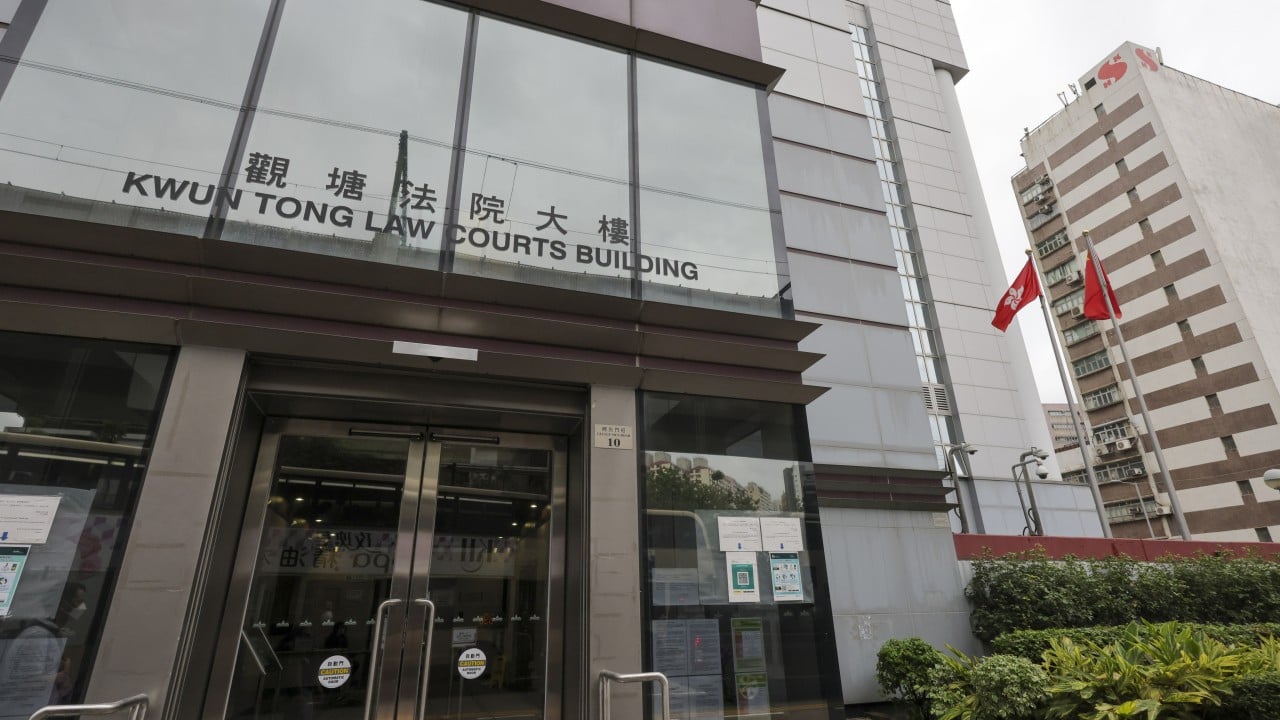
The slap was loud. It echoed in the small apartment. But the true reverberations of that strike would ripple far beyond the walls of their home, straight into the sterile, fluorescent-lit halls of the Shatin Magistrates’ Courts.
The Invisible Stakes of the Pressure Cooker
To understand why a dedicated educator and mother turns to physical discipline, one must understand the environment that breeds this desperation. This is not an isolated incident of cruelty. It is a symptom of a systemic affliction.
Consider the baseline reality of a Hong Kong educator. They spend their days managing oversized classrooms, navigating rigorous curricula, and answering to intensely demanding administrators and parents. They are expected to be paragons of patience and pillars of academic excellence. But when the school bell rings, they return home to the exact same pressures under their own roofs. They become the anxious parents, terrified that their own children will become casualties of the system they teach within.
The cultural expectation of filial piety and absolute obedience creates a dangerous friction when it collides with modern teenage rebellion. For generations, physical discipline was viewed by many in the region not as abuse, but as a severe form of love—a desperate corrective measure to ensure a child stays on the straight and narrow path.
But the law draws a sharp, unyielding line where tradition ends and harm begins.
When the boy reported the incident, the machinery of the state intervened. The mother found herself arrested, stripped of her role as the matriarch and the educator, and placed into the category of the accused. She pleaded guilty to one count of ill-treatment by those in charge of a child or young person.
The courtroom became a theater of profound regret.
The Mitigation of a Mother
Standing before Acting Principal Magistrate Shik Hong-yee, the teacher was no longer the authority figure. She was a woman laid bare by her own mistakes.
Her defense struck a chord of deep vulnerability. The court heard how she was a loving mother who had simply been pushed past her breaking point by her son’s behavioral issues and academic resistance. She didn't seek to excuse the slap; she sought to explain the overwhelming wave of helplessness that led to it.
A probation report offered to the court painted a picture of a family in crisis, but not one devoid of affection. It revealed that both mother and son were deeply remorseful. The boy did not want to see his mother jailed. The mother wanted nothing more than to heal the fracture in their relationship. They had already begun seeking family counseling, attempting to dismantle the toxic patterns of communication that had culminated in violence.
The magistrate weighed the gravity of the offense against the obvious distress of the family. In Hong Kong, child abuse charges can carry severe prison sentences, meant to deter a culture of corporal punishment that has lingered too long in the domestic sphere.
Magistrate Shik noted the positive nature of the probation report. The court recognized that sending this mother to prison would not heal the family; it would permanently shatter it.
The decision was handed down: a one-year good behavior bond in the sum of 1,000 Hong Kong dollars.
No criminal conviction was recorded. It was a lifeline. A chance to rebuild from the ashes of a terrible night.
The Long Road to Healing
A good behavior bond is not an erasure of guilt. It is a legal probationary period, a shadow that will hang over the teacher for twelve months. If she maintains the peace, the legal slate remains clear. If she stumbles, the full weight of the law will return.
But the real work does not happen in front of a judge. It happens in the quiet moments back in the Fanling apartment.
Imagine the first evening after the court appearance. The textbook is still there. The pressure of the impending exams has not vanished. The city outside still demands perfection. But the dynamics inside must change radically if they are to survive.
The mother must learn to separate her identity as an educator from her role as a parent, understanding that her son is not a student to be managed, but a developing human being navigating his own immense pressures. The son must navigate the complex feelings of having brought the law to his doorstep, while still needing the security of his mother's embrace.
They are learning to talk instead of strike. They are learning that failure in an exam is preferable to a failure of empathy.
The heavy hand has been replaced by an uncertain, delicate silence. A mother and a son sitting across from one another, trying to find a way to breathe in a city that demands they run until they drop.