The media wants a simple villain. They want a neat, horrifying narrative about a rogue co-pilot, a hidden ideological motive, and a sudden, catastrophic betrayal in the flight deck. It is the kind of story that sells clicks, sparks endless cable news panels, and terrifies passengers boarding their next red-eye.
It is also largely missing the structural reality of modern commercial aviation. If you enjoyed this piece, you should look at: this related article.
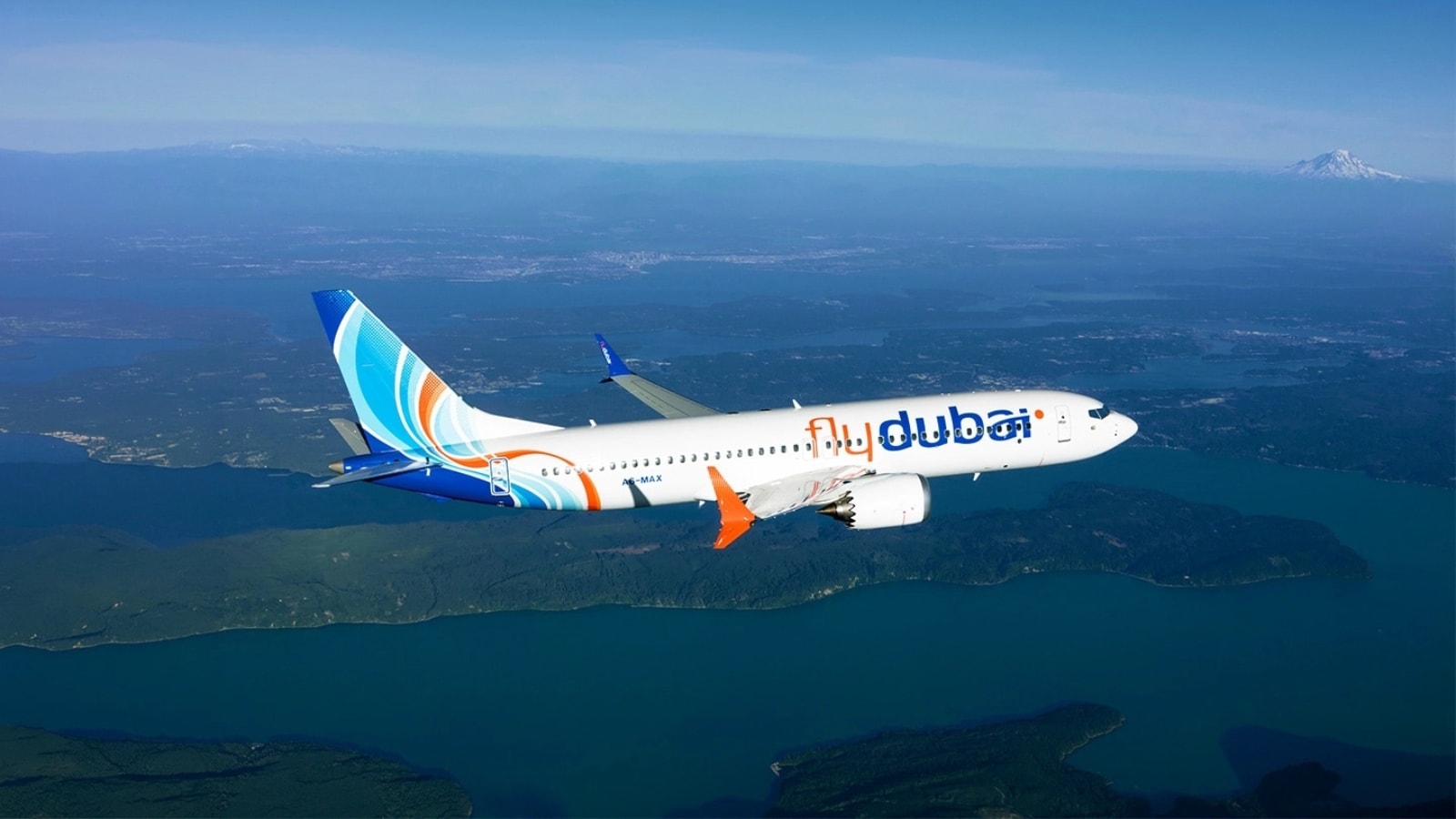
When reports surfaced regarding an alleged plot by an Omani co-pilot flying for flydubai to target a building in Tel Aviv, the collective panic machine immediately whirred into action. Pundits debated background checks, psychological screenings, and the supposed vulnerabilities of regional carriers. They asked how someone slipped through the cracks.
That is the wrong question. For another angle on this development, see the recent coverage from BBC News.
Asking how to screen out the one bad actor assumes human behavior in high-stress, closed environments can be predicted like a software update. It cannot. The entire architecture of cockpit safety built over the last thirty years does not rely on finding saints; it relies on redundancy, cross-checking, and making lone-wolf sabotage structurally impossible.
I have spent years analyzing operational risk and safety management systems for commercial carriers. I have watched airlines
Why Sensational Headlines About Pilot Mental Health Hide the Real Aviation Threat
travel, news
Every time a sensational headline drops linking an airline pilot to a catastrophic mental health plot, the public reacts with predictable outrage and terror. The latest media panic surrounding an Omani flydubai co-pilot allegedly planning to crash a commercial airliner into a Tel Aviv building follows a tired, manipulative script. News outlets rush to exploit fear, casting commercial aviation as a fragile enterprise held together by prayers and the arbitrary psychological stability of two random individuals sitting in a cockpit.
Stop buying the panic.
The lazy consensus in mainstream reporting is that pilot mental health crises represent an unpredictable, ticking time bomb waiting to pierce the multi-layered armor of modern aviation safety. This narrative is comforting to journalists because it offers a simple villain and a horrifying mental picture. It is also fundamentally wrong.
I have spent years analyzing operational risk, safety management systems, and the cold, hard mechanics of multi-crew flight decks. The real danger to commercial aviation is not an isolated rogue pilot executing a cinematic suicide dive. The real danger is our systemic refusal to look past the dramatic anomaly and fix the broken bureaucratic frameworks that force pilots into silence in the first place.
The Myth of the Vulnerable Cockpit
Let us dismantle the core premise driving these sensational reports. The standard public assumption is that a modern flight deck is a solitary prison where a desperate individual can unilaterally take control and steer a multi-million-dollar aircraft into a target.
That view ignores every single safety protocol introduced over the last twenty years.
Modern commercial airliners are engineered with strict redundancy, electronic flight instrument systems, flight management computer path locks, and rigorous crew resource management protocols. A cockpit is not a solo act. It is a dual-authority workspace designed precisely to check, challenge, and override human error or malice. When a co-pilot or captain begins exhibiting anomalous behavior, the structural defenses of modern aviation—from standard operating procedures to mandatory cross-monitoring—are designed to catch it long before a catastrophic deviation occurs.
Yet, media coverage focuses entirely on the exception while ignoring the rule. Aviation safety is built on the premise of absolute paranoia. Every procedure assumes someone will fail, which is precisely why structural safety nets exist. Focusing solely on the psychological profile of one individual misses the entire architecture of redundancy that keeps millions of passengers safe every single day.
How Fear Stifles Safety
The perverse consequence of these high-profile psychological witch hunts is not safer skies. It is a culture of universal deception.
When airlines and regulatory bodies respond to panic by instituting draconian, zero-tolerance mental health policies, they achieve the exact opposite of their stated goal. They drive pilots underground.
Imagine a scenario where a professional pilot experiences a standard bout of situational anxiety, grief, or mild depression. Under a sensible regime, they would seek confidential counseling, adjust their schedule, and return to the flight deck fully operational. But under the current punitive climate, where any admission of mental strain can trigger an immediate, career-ending medical certificate revocation, what does that pilot do?
They lie. They hide their symptoms. They self-medicate or push through until exhaustion or crisis forces a breakdown.
The aviation industry has created a perverse incentive structure: honesty equals unemployment. By punishing vulnerability, airlines and regulators inadvertently create the very environment of concealment that they claim to be guarding against. If you want a dangerous cockpit, create a system where reporting a mental health struggle guarantees professional execution.
The Data Behind the Drama
Let us look at the actual math. Commercial aviation remains the safest mode of mass transportation in human history. Millions of flights take off and land safely every year. The statistical probability of a pilot intentionally crashing a commercial airliner is microscopically small, dwarfed by orders of magnitude by risks like runway incursions, maintenance oversights, or severe weather phenomena.
Yet, regulatory agencies and media platforms obsess over psychological outlier events because dramatic human malice makes for high engagement. This misallocation of attention is dangerous. While safety boards spend millions debating hyper-specific psychological screening metrics that yield high false-positive rates and low predictive validity, baseline operational hazards get less oxygen.
True safety engineering is boring. It looks like better fatigue management policies, ergonomic flight deck design, transparent reporting channels, and treating pilots like human beings rather than frictionless automatons.
Fixing the Operational Blind Spot
If we are serious about addressing pilot well-being and flight safety, we need to dismantle the current approach and rebuild it from the ground up.
First, decouple mental health reporting from immediate, permanent certificate revocation. Introduce confidential peer-support programs modeled after successful substance-recovery frameworks, where pilots can seek help without fearing for their livelihoods.
Second, stop treating cockpit security as a static fortress problem and start treating it as a dynamic human factor challenge. Crew resource management must evolve to include radical psychological safety, encouraging first officers to challenge captains—and vice versa—without fear of professional retaliation or social awkwardness.
The sensationalized narratives about rogue pilots serve only to generate clicks and feed public anxiety. They obscure the systemic failures of regulatory bodies that punish honesty and reward concealment. The next time a headline attempts to terrify you with tales of cockpit malice, remember to look past the drama. The real threat isn't the pilot on the flight deck. It's the broken system forcing them to hide in the shadows.