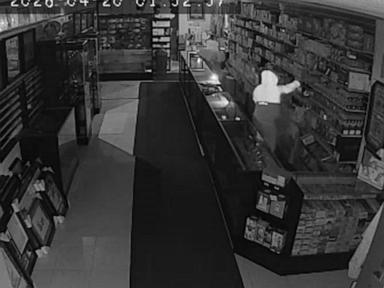
$100,000 worth of cardboard vanished in minutes. That's the nightmare scenario that just played out for a local card shop, and honestly, it’s a wake-up call for every collector and business owner in the hobby. While the headlines scream about the massive dollar amount, they usually miss the point. This isn't just about thieves grabbing shiny things. It’s about the organized, surgical way criminals are now targeting the TCG (Trading Card Game) community.
Thieves didn't just stumble into a gold mine. They knew exactly what they were looking for. We're seeing a trend where burglars bypass the bulk and go straight for the graded slabs and sealed vintage boxes. It's high-value, high-liquidity, and incredibly easy to transport. If you've got a collection sitting in your basement or a shop with glass display cases, you're looking at a target on your back.
Why Pokemon Cards Became a Prime Target for Organized Crime
The days of Pokemon being a "kid’s game" died years ago. During the 2020 boom, prices spiked so hard that organized crime syndicates took notice. When a single Base Set Charizard or a sealed 1st Edition booster box can fetch more than a luxury SUV, the risk-to-reward ratio for a smash-and-grab becomes dangerously attractive.
Unlike stealing a car, which has a VIN and GPS, or jewelry, which often needs to be melted down, Pokemon cards are anonymous. You can walk into a card show three states away and sell a high-end slab for cash. No questions asked. Most shops don't have the time or tech to verify if every single PSA 10 Umbreon VMAX coming through their door was reported stolen in a different time zone.
The thieves involved in these $100k heists aren't amateurs. They use scanners to check for silent alarms. They time police response. They know which cases hold the "Big Three" and which ones are just modern filler. It’s professional. It’s cold. And it’s happening more often because the "grey market" for collectibles makes it easy to wash the loot.
Security Flaws Most Card Shops Ignore
I’ve walked into dozens of local game stores (LGS) across the country. Most of them have the same glaring issues. They rely on "security theater" rather than actual protection. A Ring camera and a standard glass case won't stop someone with a sledgehammer. By the time the owner gets a notification on their phone, the thieves are already two miles down the road with a backpack full of $500 bills.
Standard glass is a joke. It shatters in seconds. If you're a shop owner and you aren't using laminated security glass or polycarbonate shields, you're basically leaving your front door open. These thieves use a "smash and grab" technique that relies on speed. They want to be in and out in under 90 seconds. If they hit a display case and it doesn't break on the first swing, they usually panic and leave.
Most shops also keep their highest-value inventory in the same spot every night. That’s a mistake. If I’m scouting a shop, I’m looking for the "Holy Grail" case. If that case is right by the front window or easily accessible from the floor, it’s gone. You need to move your top-tier slabs into a floor-bolted safe every single night. It’s a pain in the neck. It’s extra work. But it's better than losing your entire business's equity in a single night.
The Problem With Tracking Stolen Collectibles
Here’s the thing that sucks about the TCG world. Once a card is stolen, it’s incredibly hard to get back. Even with PSA or BGS certification numbers, there isn't a centralized, mandatory database that every shop uses to check for stolen goods.
Sure, you can post the cert numbers on Facebook groups and Twitter. The community is great at "signal boosting." But there are thousands of shops and tens of thousands of private sellers. A thief can easily crack a card out of its graded slab. Once that card is "raw" again, the paper trail is effectively dead. They can then resubmit it to a different grading service, get a new cert number, and it’s "clean" again.
Insurance is another headache. Many shop owners find out too late that their standard commercial policy doesn't cover "market value" for collectibles. They might get paid back what they paid for the cards, but not what they're actually worth today. Or worse, the insurance company might claim the inventory wasn't properly appraised or secured according to the fine print.
How To Protect Your Collection Right Now
Whether you're a shop owner or a private collector with a massive stack of slabs, you need to change your mindset. You aren't just a hobbyist; you're a curator of high-value assets. Treat them that way.
First, stop broadcasting your "mail days" on social media if your profile isn't private. It’s fun to show off a new hit, but you're also telling the world exactly what you have and where it’s kept. If you’ve got $100k in inventory, people are watching.
Second, invest in a real safe. Not a $200 box from a big-box store. You need a UL-rated TL-15 or TL-30 safe. These are designed to withstand concentrated tool attacks for 15 to 30 minutes. Most burglars won't even try to mess with one. They want the easy wins.
Third, get specialized collectibles insurance. Companies like Collectibles Insurance Services (CIS) or specialized riders from major carriers understand the market. They know that a piece of cardboard can be worth $10,000. They also usually have better protocols for when things go south.
Dealing With the Aftermath of a Heist
If you get hit, every second counts. Don't touch anything. Call the police immediately, but don't expect them to be Pokemon experts. You need to provide a typed list of every high-value item, including:
- Grading company (PSA, BGS, CGC)
- Certificate numbers
- High-resolution photos of the front and back
- Unique identifying marks (corner dings, print lines, centering quirks)
Immediately contact the grading companies. If a card is reported stolen, they can "flag" that cert number in their database. If someone tries to look it up on their app, it might show as stolen. It’s not a perfect system, but it’s a hurdle for the thief.
Check local pawn shops and "Cash for Gold" places. Many thieves don't understand the nuance of the hobby and will try to offload cards at places that don't know any better. Alert every card shop within a 200-mile radius. Use the community. Collectors hate thieves more than almost anything else. We're a tight-knit group, and we talk.
Stop Making It Easy For Them
The $100,000 theft we're talking about today isn't an isolated incident. It’s a blueprint. As long as the market for these cards stays high, the incentive to steal them will remain. You can't control what criminals do, but you can control how much of a target you are.
Audit your security tonight. Look at your shop or your home through the eyes of a thief. Where is the glass weak? Where are the blind spots in the cameras? Is your most valuable asset just sitting in a wooden drawer? If you aren't uncomfortable with how easy it would be to steal your collection, you aren't protected enough.
Bolting down your safes and upgrading to impact-resistant glass might cost a few thousand dollars now. It sounds like a lot until you're staring at an empty display case and a pile of broken glass. Protect your investment like your business depends on it, because it actually does. If you haven't logged your cert numbers into a private spreadsheet yet, do it today. Don't wait for the siren to tell you it's too late.


