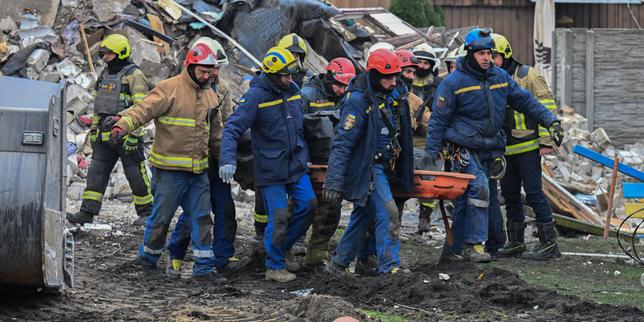
The Mexican military loves a dramatic headline, and nothing beats the capture of a high-profile cartel boss amid heavy gunfire. You see the photos on the evening news—soldiers in tactical gear, confiscated gold-plated weapons, and a handcuffed leader being escorted onto a military transport plane. It looks like a decisive victory in a war that has dragged on for nearly two decades.
It isn't. Meanwhile, you can find related developments here: Inside the Orbital Shrapnel Threat Nobody Is Talking About.
When a top drug kingpin is captured by the Mexican army, the immediate aftermath rarely brings peace to the streets. Instead, the arrest almost always triggers a violent power vacuum, retaliatory blockades, and fierce internal splintering that leaves ordinary citizens caught in the crossfire. Understanding why this happens requires looking past the press conferences and examining how modern criminal syndicates actually operate.
The Myth of the Kingpin Strategy
For years, both Washington and Mexico City relied on a doctrine known as the kingpin strategy. The logic sounds simple enough on paper. Cut off the head of the snake, and the body dies. Take out the charismatic leader who controls the smuggling routes, bribes the local police, and manages the money, and the entire criminal enterprise will collapse under its own weight. To see the complete picture, check out the detailed analysis by NPR.
Real-world results tell a very different story.
When Mexican special forces captured Joaquín "El Chapo" Guzmán—not once, not twice, but three times—the Sinaloa Cartel didn't shut down. Fentanyl and methamphetamine continued flowing north without a single noticeable dip in supply. The same pattern held true after the dramatic 2023 arrest of his son, Ovidio Guzmán López, in Culiacán, and the 2024 detention of Ismael "El Mayo" Zambada in Texas.
Cartels aren't rigid military hierarchies where one general gives every order. They function more like decentralized franchises or loose confederations of regional cells. When the top boss disappears into a maximum-security prison, the lieutenants don't pack up their bags and apply for day jobs. They immediately start fighting over who gets the corner office.
Why Gunfire Erupts Before and After the Arrest
The firefight during the arrest itself is usually just the opening act. High-value targets rarely travel without heavy security rings composed of former special forces operatives, armed lookouts, and armored vehicles equipped with .50-caliber rifles.
Mexican army intelligence units spend months tracking a target's digital footprint, family movements, or courier networks before launching a raid. Once troops breach a compound or intercept a convoy, the kingpin's personal security detail fights to buy him time to escape. In rural Sinaloa, Michoacán, or Tamaulipas, these gun battles can last for hours before air support arrives.
Then comes the retaliation.
Criminal groups use coordinated chaos as a tactical weapon to force the government to back down. During the infamous October 2019 operation in Culiacán—now remembered locally as the Culiacanazo—cartel gunmen overwhelmed security forces, took soldiers hostage, and threatened civilian housing complexes until President Andrés Manuel López Obrador ordered Ovidio Guzmán released to prevent mass casualties.
Even when the military successfully extracts the prisoner, local cells frequently launch narcobloqueos. Gunmen hijack commercial semi-trucks, city buses, and private cars, setting them ablaze across major highways to paralyze reinforcements and trap military convoys. Airports shut down. Schools cancel classes. Residents stay locked inside their homes while thick black smoke rises over the city skyline.
The Economics of Instant Succession
Money keeps the machine running regardless of who sits at the top. A major transnational criminal organization moves billions of dollars annually through synthetic drugs, extortion, illegal logging, and human smuggling.
Because the profit margins on synthetic opioids like fentanyl are astronomical—a few thousand dollars' worth of precursor chemicals from Asia can yield millions on U.S. streets—the financial incentive to seize control of an empty throne is overwhelming.
Regional plaza bosses already control their own supply chains, local corrupt officials, and armed enforcers. The moment news breaks that the top drug kingpin is captured by the Mexican army, three things happen almost simultaneously:
- Internal factions turn on each other. Sons, brothers, and longtime lieutenants stop cooperating and start ambushing rival safe houses to claim supreme leadership.
- Rival cartels smell blood. Competing organizations like the Jalisco New Generation Cartel (CJNG) immediately push armed incursions into weakened territories to steal lucrative border crossings.
- Extortion spikes locally. Because war costs money, splintered groups ramp up kidnapping, protection rackets, and fuel theft against local businesses to pay for weapons and recruits.
How Splintering Makes Violence Worse
I've followed security dynamics across Latin America for years, and the biggest misconception outsiders hold is believing that fewer kingpins mean safer neighborhoods. Security analysts at organizations like the International Crisis Group and InSight Crime have documented the exact opposite effect since Mexico launched its military-led offensive in 2006.
Back in the mid-2000s, Mexico's criminal landscape was dominated by a handful of massive, relatively stable organizations. Today, those giants have fractured into dozens, and by some estimates hundreds, of smaller, hyper-violent regional gangs.
A single dominant cartel acts somewhat like a local monopoly. It maintains order in its territory because constant gunfire attracts federal troops and hurts business. When the army removes the top boss and fractures that monopoly, five smaller gangs end up fighting block by block over the same city.
These smaller offshoots lack the transnational logistics to smuggle tons of cocaine into Chicago or Los Angeles. So how do they survive? They prey directly on the local population. Avocado farmers in Michoacán, bus drivers in Guerrero, and shopkeepers in Guanajuato suddenly face multiple gangs demanding weekly cuota payments. Refuse to pay, and your storefront gets burned down.
The Role of U.S. Pressure and Extradition Politics
You can't understand why the Mexican army risks massive gunfights to grab specific individuals without looking north of the border. High-profile captures rarely happen purely because of domestic policing priorities. They're heavily driven by bilateral diplomacy, U.S. Department of Justice indictments, and impending elections.
Whenever political pressure mounts in Washington over overdose deaths or border security, cooperation between U.S. intelligence agencies—such as the DEA and Homeland Security Investigations—and Mexico's Secretariat of National Defense (SEDENA) suddenly accelerates.
Once the Mexican military captures a major boss, the legal battle over extradition begins immediately. Defense lawyers file dozens of amparo injunctions in Mexican federal courts to block transfer to the United States. They know that in a Mexican prison, a wealthy kingpin can often bribe guards, smuggle in cell phones, and continue running operations from his cell. In a U.S. supermax facility like ADX Florence in Colorado, that influence drops to zero.
What Actually Disrupts Cartel Power
If arresting the boss doesn't stop the violence or slow down drug trafficking, what does?
Security researchers and former intelligence officials point to three areas that hurt criminal networks far more than a dramatic military raid:
- Targeting financial infrastructure. Cartels rely on legitimate banks, shell companies, real estate developments, and cryptocurrency networks to launder billions. Freezing assets and prosecuting white-collar facilitators cripples an organization's ability to buy weapons and pay payrolls.
- Dismantling political protection networks. No cartel operates without protection from municipal police chiefs, state prosecutors, judges, and mayors. Arresting a drug lord while leaving the corrupt politicians who shield his successor untouched guarantees the cycle repeats within months.
- Cutting off weapons trafficking. Tens of thousands of military-grade firearms are smuggled south from U.S. gun shops every year. Without steady access to Barrett .50-caliber rifles and automatic weapons, local cells lose their ability to outgun state police forces.
How to Read the Next Headline
The next time you read that a top drug kingpin is captured by the Mexican army amid gunfire, look past the triumphant government statements and watch what happens over the following sixty days.
Track whether highway blockades spread to neighboring states. Watch if homicide rates in that specific municipality spike as rival lieutenants settle scores. Pay attention to whether the arrest is followed by indictments of local politicians and money launderers, or if the government simply declares victory and moves on to the next target. Until enforcement shifts from chasing individual celebrities to dismantling the financial and political systems behind them, every dramatic capture will remain just another reset button on the exact same war.