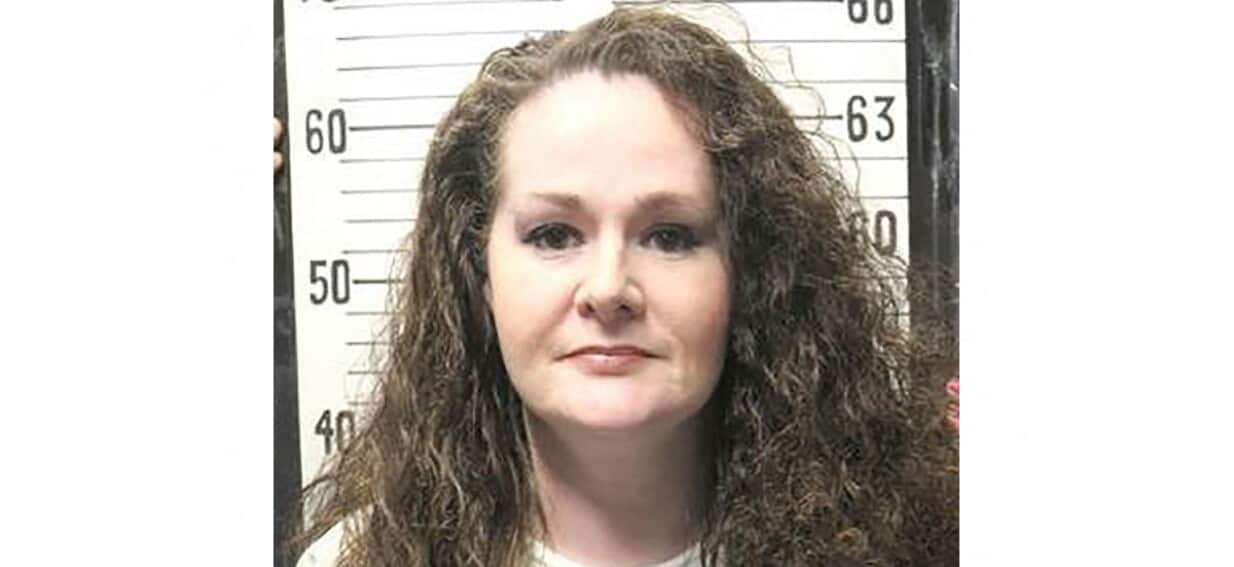
Waking up in a hospital room after expecting to die changes a person. For Christa Pike, the fallout of a botched lethal injection has ignited a massive legal and ethical firestorm.
When state execution protocols go wrong, the details that emerge next usually expose deep systemic flaws. That's exactly what happened following the failed execution attempt on Christa Pike in Tennessee. Instead of a swift procedure, witnesses and legal teams watched a multi-hour ordeal unfold behind the death chamber glass.
The Reality Behind the Botched Procedure
Execution protocols are designed to appear clinical and controlled. Reality often looks very different. During the attempt, medical staff struggled for over an hour to establish intravenous lines, utilizing multiple needles and noting that veins were blowing out before the drugs were even administered.
When the first dose of pentobarbital was given, things didn't go according to plan. Pike remained conscious past the expected timeline, speaking, moving, and showing clear signs of distress. Rather than a peaceful passing, the chamber witnesses described a chaotic scene that ultimately forced an emergency transport to an off-site medical facility.
Her legal team later revealed the brutal physical toll. Pike woke up days later on a ventilator, confused, dealing with severe physical pain, pneumonia, and burns or blisters on her arms from the compromised IV lines.
Mental Confusion and Immediate Aftermath
The psychological impact matches the physical trauma. When Pike first regained consciousness in the hospital, her initial words to her attorneys were basic disorientation: asking where she was and who was in the room. Having mentally prepared to end her life on the gurney, surviving the attempt left her grappling with an unexpected reality.
Her lawyers described her as angry and confused about the incompetence of the process that left her alive yet severely compromised. She spent weeks recovering under heavy guard—shackled to her hospital bed despite medical requests to remove restraints—before being discharged back to the Deborah K. Johnson Rehabilitation Center where she has spent the last three decades.
The Broader Fallout for Capital Punishment
This failure didn't happen in a vacuum. It marks a severe breakdown in state execution methods, prompting immediate political and administrative reactions. Tennessee Governor Bill Lee paused all executions for the remainder of the year and ordered independent reviews into how the protocols failed so catastrophically. The state's top prison official also stepped down in the wake of the incident.
Legal advocates are utilizing this moment to push for fundamental changes. They argue that subjecting an individual to a botched procedure constitutes cruel and unusual punishment, renewing petitions for clemency and life sentences without parole rather than scheduling a second execution attempt.
The entire event forces a hard look at the mechanics of capital punishment. When execution methods break down this visibly, the debate shifts instantly from crime and punishment to the sheer reliability and ethics of state-sanctioned lethal injection.
Christa Pike is 'Angry and Confused' After Failed Execution
This video provides additional context and reporting regarding Christa Pike's health status and her legal team's statements following the failed execution attempt.