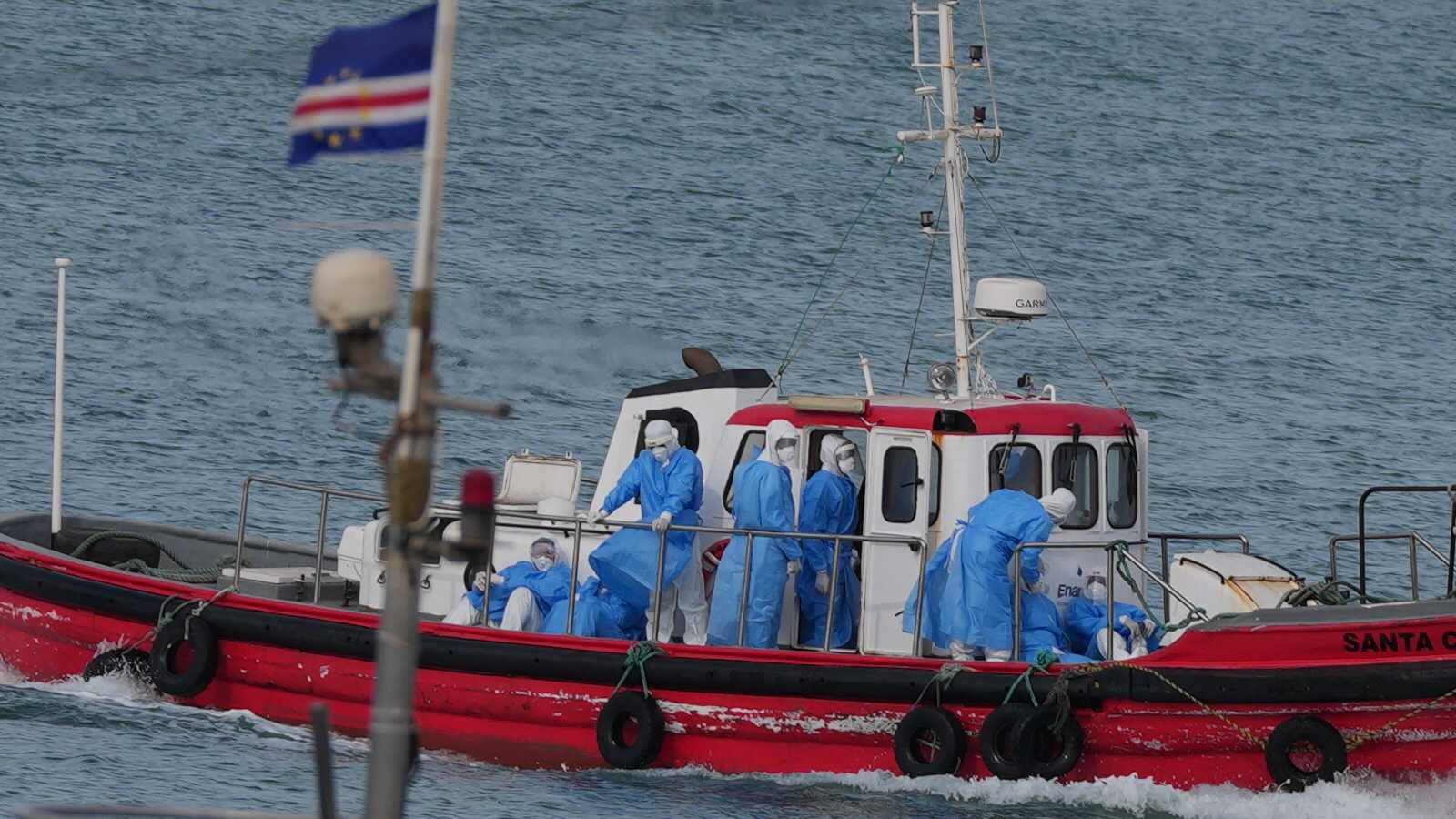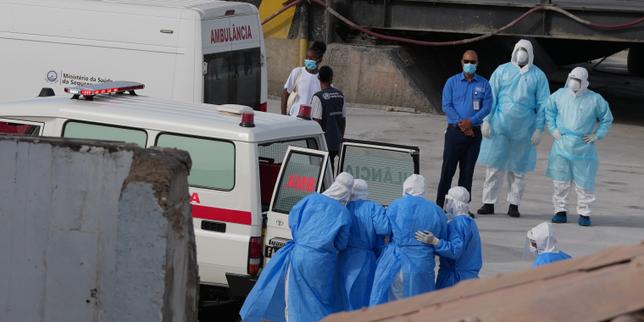
The MV Hondius is currently sitting in the middle of a logistical and medical nightmare. What started as an ambitious expedition to the ends of the earth turned into a quarantine zone. After reports of a hantavirus outbreak surfaced on the polar cruise ship, the operator had to scramble. They've now confirmed that every single passenger showing symptoms was evacuated from the vessel. It sounds like a movie script. It isn't. It's a harsh reminder that "remote" doesn't mean "sterile."
When you book a ticket on a ship like the Hondius, you're looking for the edge of the world. You want raw nature. But nature has teeth. Hantavirus isn't your typical cruise ship norovirus. It’s significantly more dangerous, and the way it spreads is frankly a bit gross. You don't catch it from a buffet line or a dirty handrail. You get it from rodents. Specifically, from breathing in dust contaminated with their saliva, urine, or droppings. Building on this theme, you can find more in: The Longest Mile to Shore.
What happened on the MV Hondius
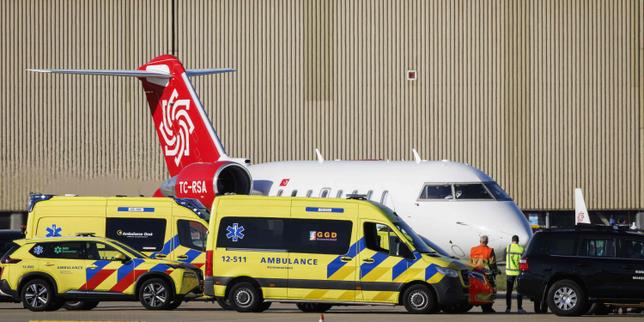
The situation escalated quickly. Oceanwide Expeditions, the company behind the MV Hondius, had to coordinate a complex medical extraction in one of the most challenging environments on the planet. This wasn't a simple helicopter ride to a city hospital. These evacuations often involve specialized aircraft and coordination with international maritime authorities.
The cruise line insists the situation is under control. They’ve offloaded the symptomatic passengers to receive professional care. But the questions remain. How did it get on the ship? Most hantavirus cases occur in rural areas, forests, or farms where mice and rats thrive. On a ship, the presence of rodents is the ultimate red flag. It suggests a breach in the vessel's biosecurity or a contaminated supply shipment brought on board at a previous port. Observers at Lonely Planet have provided expertise on this trend.
Why hantavirus is a different beast
Don't confuse this with the common flu. Hantavirus Pulmonary Syndrome (HPS) can be fatal. The mortality rate is roughly 38%, according to the CDC. That’s a terrifying number. It starts with fever, muscle aches, and fatigue. It feels like you’re just coming down with something. Then, it hits your lungs. You start gasping for air because your lungs fill with fluid.
On a ship, this is a catastrophe. Most cruise ships have medical centers, but they aren't ICUs. They have limited oxygen supplies and a couple of ventilators if you’re lucky. They aren't equipped to handle a respiratory failure event of this magnitude for multiple people at once. The decision to evacuate wasn't just a precaution. It was a necessity to prevent deaths on the high seas.
The myth of the sanitized expedition
I've seen people get complacent. They think that because they paid $15,000 for a cabin, they’re in a protective bubble. They aren't. Expedition cruising takes you to places where help is days away. If a virus breaks out in the Antarctic or the sub-Antarctic islands, you are at the mercy of the weather and the ship's speed.
The MV Hondius is a Polar Class 6 vessel. It's tough. It can handle ice. But it can’t stop a microscopic pathogen once it's inside the ventilation system or the food stores. We need to stop viewing these trips as luxury vacations and start seeing them as what they are: calculated risks.
How it spreads in tight quarters
Hantavirus usually doesn't spread person-to-person. That’s the one bit of "good" news here. The "Andes" strain in South America is the only one known to jump between humans, but even that is rare. The real danger on the Hondius was the source. If there's a rodent infestation in the galley or the storage areas, everyone breathing the air in those sections is at risk.
Think about the air on a ship. It’s recycled. It’s filtered, sure, but those filters have limits. If someone sweeps up a nest of infected droppings, the virus becomes airborne. You breathe it in. You’re infected. It’s that simple and that terrifying.
The cruise industry response
Oceanwide Expeditions is doing damage control. They have to. The brand is built on safety and "extraordinary" experiences. An outbreak of a rare, high-mortality virus is the opposite of that. They’ve stated that they are following all international health protocols.
What does that actually mean?
- Deep cleaning of all common areas.
- Intensive pest inspections.
- Monitoring the remaining passengers for the 1-to-8-week incubation period.
- Constant communication with port authorities.
Honestly, the rest of the passengers on that ship are probably terrified. You’re stuck on a boat, watching your fellow travelers get airlifted out. You’re checking your temperature every hour. Every cough feels like a death sentence. It ruins the trip, but more importantly, it shakes your trust in the industry.
Biosecurity is the new luxury
We used to care about the thread count of the sheets. Now, I want to see the pest control logs. I want to know the age of the HEPA filters in the HVAC system. The Hondius incident should force every expedition operator to rethink their supply chains. Where is the food coming from? How is it stored before it hits the ship?
Rodents are hitchhikers. They’ve been jumping on ships since the dawn of sail. But in 2026, we have the technology to stop them. Thermal imaging, high-tech traps, and better sealing of cargo should be standard. If a ship as modern as the Hondius can have an outbreak, any ship can.
What you should do if you're booking an expedition
If you’re planning a trip to a remote region, you need to be your own advocate. Don't just look at the itinerary. Look at the medical specs of the ship.
- Does the ship have a lab to run blood tests?
- Is there a real-time link to specialists on land?
- What is their evacuation plan for "Level 4" pathogens?
You also need travel insurance that covers "emergency medical evacuation" specifically. We aren't talking about a $100 flight home. We’re talking about $50,000 to $100,000 for a private medevac from a remote port. If you don't have that, you're gambling with your life and your bank account.
The reality of the MV Hondius cleanup
The ship will likely have to undergo a massive sanitization process. This isn't just about wiping down tables. They’ll need to use professional-grade disinfectants that can kill hantaviruses—usually a bleach solution or specific EPA-approved virucidals. They have to find the source. If they don't find the rodents, the virus comes back.
It’s a massive financial hit for the company. Refunds, medical costs, and the "PR nightmare" tax. But they don't have a choice. If they don't handle this with 100% transparency, the expedition cruise market will take a hit. People go to the Arctic to see bears, not to catch a rare disease.
Moving forward from the outbreak
The passengers who were evacuated are the priority now. Their recovery will depend on how quickly they can get supportive care. There is no "cure" for hantavirus. You can't just take an antibiotic. Doctors treat the symptoms—intubation, oxygen, and managing fluid levels. It’s a grueling process.
For the rest of us, it’s a lesson. The world is getting smaller, and we are pushing further into "wild" spaces. When we do that, we encounter things we aren't prepared for. The MV Hondius is a great ship, but it's still just a piece of metal in a very large, very indifferent ocean.
If you're heading out on a cruise soon, check the recent health inspections of your vessel. In the US, the CDC publishes "Vessel Sanitation Program" scores. Look for them. Anything below an 86 is a fail. Don't be afraid to ask the crew about their pest management. It’s better to be the "annoying passenger" than the one being winched onto a helicopter.
Check your insurance policy today. Ensure it covers "repatriation of remains" and "emergency air ambulance." It’s dark, but so is the reality of a hantavirus outbreak at sea. Stay informed, stay skeptical, and keep your hands clean.