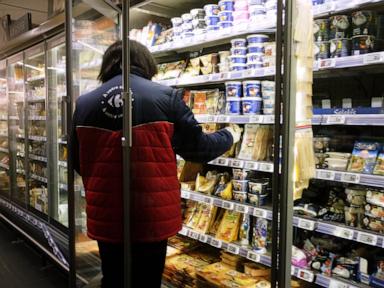
Picture walking into your neighborhood grocery store on a Tuesday morning, expecting cold milk and frozen peas, only to find warm aisles, melted ice cream, and fire trucks outside. That exact nightmare played out across France and Europe in autumn 2026. French cybersecurity authority ANSSI warned that the attack may still be ongoing as stores scrambled to restock spoiled inventory and figure out how a simple cooling unit turned into a physical hazard.
Honestly, this wasn't a textbook data breach where hackers stole credit cards or locked up spreadsheets. Nobody asked for a ransom upfront, and no customer database vanished. Instead, attackers hijacked internet-connected refrigeration controls overnight, pushing cooling units into prolonged defrost cycles that drove temperatures up around 50 degrees Celsius—and even higher in some spots—for hours while most staff were asleep.
How a Routine Defrost Cycle Turned Into Spoiled Food and Fires
Refrigeration systems have a normal defrost mode. It melts frost buildup off coils so compressors run smoothly. Attackers weaponized that routine function remotely across hundreds of stores during the night of October 11, 2026. Because changing a temperature setpoint looks like an ordinary maintenance action rather than classic malware, standard endpoint defenses barely blinked.
French finance minister Roland Lescure estimated roughly 700 supermarkets across France were hit—around 7 percent of the country's roughly 10,000 stores—spanning major chains like Intermarché and Netto, Coopérative U, Carrefour, Monoprix, and E. Leclerc. Temperatures climbed to about 50°C (122°F) for roughly six hours in many locations, ruining meat, dairy, and frozen stock. In some cases, extreme heat melted equipment or sparked fires, adding structural damage and water from sprinklers to the bill.
Then came a second wave in early November 2026. Grocery stores across multiple European countries, including Belgium, the Netherlands, Sweden, and others, saw refrigeration systems warm up again. That second wave proved something uncomfortable. Patching one store or tossing one batch of yogurt doesn't solve a systemic exposure when third-party maintenance portals sit reachable on the public internet.
Why ANSSI Warned That the Campaign Could Still Be Active
When ANSSI—France's national cybersecurity agency—stepped in after Prime Minister Sébastien Lecornu ordered an investigation, the agency flagged that attack activity was likely still underway. Security researchers had already warned in August 2026 about flaws in Danfoss refrigeration controllers, and scanning data from groups like Censys and Shodan showed thousands of exposed management interfaces online.
You don't need exotic zero-day exploits when a controller is left exposed without a VPN or when older firmware sits unpatched. Even worse, once an attacker gets inside a third-party maintenance gateway or an unsegmented store network, they can pivot or repeat the trick across every location using that same remote access path.
Cyberattacks on operational technology don't just corrupt files—they turn everyday machines into heat sources, flood floors, and break physical supply chains overnight.
💡 You might also like: Why Meta Pulled Back $25 Million From Its Midterms Push
Here is what makes operational technology (OT) incidents like this so maddening in practice:
- Silent failure modes: A fridge heating up overnight won't always trip a human alarm right away, especially if alerts go to an unmonitored inbox or display spoofed readings.
- Vendor entanglement: Grocery chains rely on outside contractors to tune and monitor coolers remotely, which multiplies the number of credentials and external entry points.
- Slow restocking bottlenecks: Restocking isn't just ordering more boxes. Stores have to dispose of spoiled goods safely, sanitize aisles, check electrical and cooling gear, and wait on distribution hubs that are suddenly swamped with replacement orders.
Beyond Supermarkets: Why Cold Chains and Hospitals Are Watching Closely
A lot of folks treat grocery store hacks as a quirky retail story until they think about what else runs on temperature control. Cold chains aren't limited to brie and frozen pizzas.
During the crisis, French authorities and media reported attempts involving blood banks at the French Blood Establishment (EFS), where staff intervened to protect plasma after monitoring systems alerted them. Meanwhile, warnings in the French Senate and advisories from agencies like CISA and the FBI underscored a broader point: pharmacies, labs, and food logistics all depend on precise thermal control.
If you've ever worked around commercial facilities, you know the gap between IT security teams and facilities engineers can be wide. IT worries about laptops and servers. Facilities worries about compressor pressure and defrost schedules. When those two worlds don't talk, critical gear ends up connected to the internet for convenience without real security controls.
What Grocery Chains and Facility Teams Get Wrong After an Attack
In theory, the fix sounds straightforward: patch the firmware, lock down remote access, and buy cyber insurance. In real life, things get messy fast.
First, upgrading industrial or commercial controllers isn't like clicking "update" on your phone. Multi-step firmware upgrades can require careful staging so you don't accidentally knock coolers offline during peak hours. Second, many retailers discovered—or had to confront—that standard cyber policies may not neatly cover physical spoilage or third-party vendor errors unless the policy language is crystal clear.
There's also a debate over how quickly businesses should isolate exposed equipment versus keeping remote diagnostics running. Locking down internet exposure is non-negotiable, yet cutting off maintenance access without an out-of-band or VPN alternative can slow down legitimate technicians when a unit genuinely malfunctions. Finding that balance takes real coordination, not wishful thinking.
Practical Next Steps for Retailers and Operations Teams
If you run retail locations, manage commercial cooling, or advise businesses on operational resilience, don't wait for a 3 a.m. temperature spike to test your playbook.
- Audit internet exposure immediately. Check whether any refrigeration controllers, building management consoles, or vendor remote portals are reachable directly from the public internet, and move them behind a secured VPN or isolated network segment.
- Patch supported firmware and plan for legacy gear. Verify controller models and firmware versions with your equipment vendor, apply security patches through a staged maintenance window, and isolate older unsupported units that can't be patched.
- Wire up out-of-band temperature alarms. Make sure critical freezers and cold rooms trigger independent alerts that don't rely solely on the same controller software an attacker might tamper with.
- Write an overnight spoilage and escalation rulebook. Spell out who decides at 2 a.m. whether chilled or frozen goods must be discarded, who contacts food safety and maintenance leads, and how restocking orders get prioritized.
- Review insurance and vendor contracts. Read your cyber and property policies alongside third-party maintenance contracts to see where spoilage, equipment damage, and vendor-caused outages actually land.
Shoppers notice empty shelves and warm cases first. Behind the scenes, the real test is whether organizations treat connected cooling and building hardware like critical infrastructure before the heat is on.


