Six months into the military escalation involving Iran, the United States, and Israel, the economic shockwaves hitting West Asia have rewritten the rules of regional survival. When conflict flared and vital shipping lanes like the Strait of Hormuz faced severe disruptions, doom-laden predictions filled financial markets. Analysts warned of permanent economic paralysis across the Gulf Cooperation Council (GCC). Yet, the reality on the ground is far more nuanced. While certain sectors took an immediate beating, parts of the Gulf are weathering the storm with surprising resilience.
If you look past the terrifying headlines about soaring oil prices peaking past $120 a barrel, you will find a region executing a high-stakes balancing act. Some economies are absorbing the blows easily. Others are struggling to stay afloat as export lifelines narrow. Understanding this split requires looking past blanket statements and analyzing where the financial pain is actually landing.
The Immediate Toll on GCC Trade and Exports
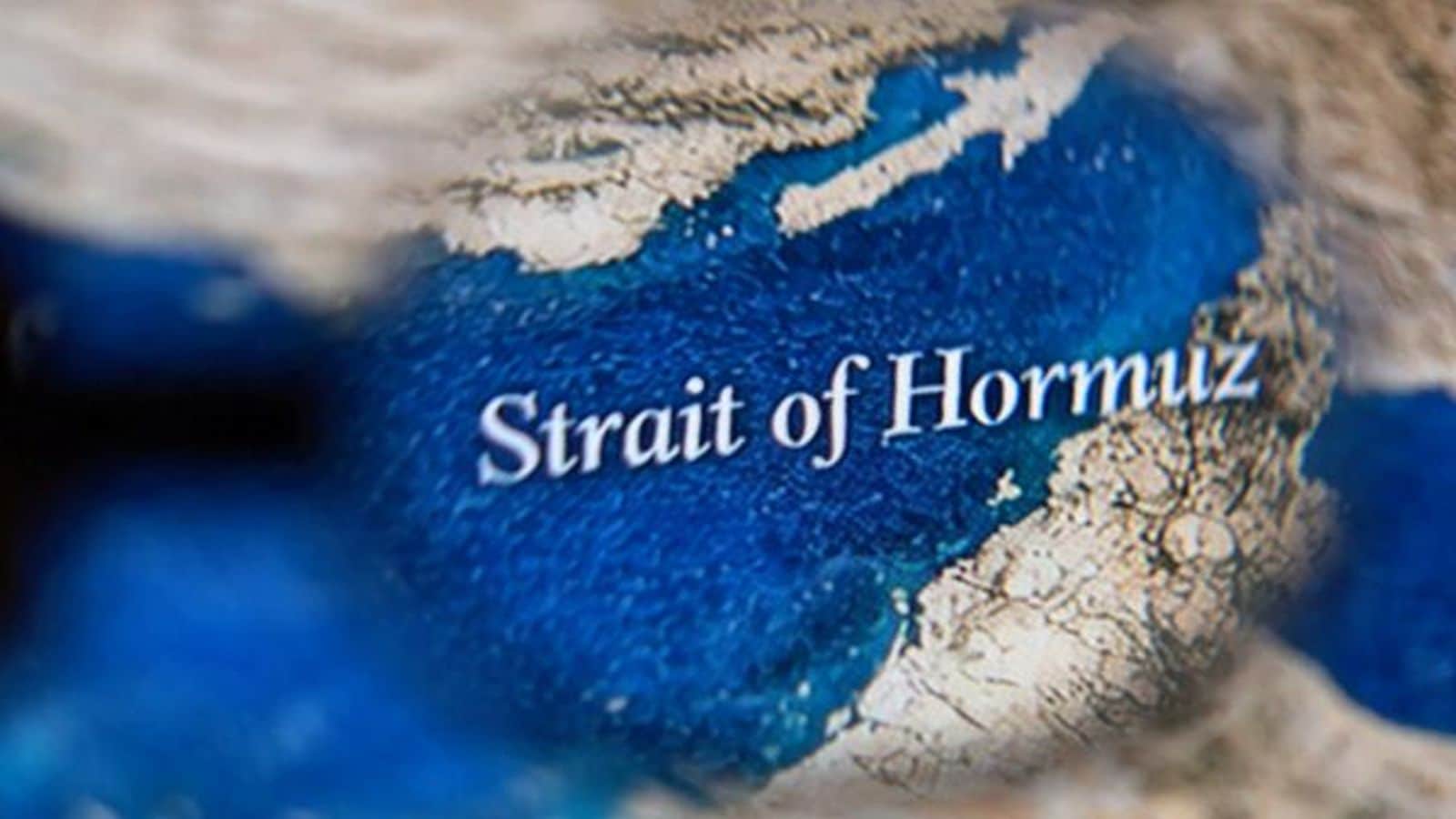
You can’t talk about this crisis without looking at the logistics nightmare unfolding in maritime trade. The closure and constant threats around the Strait of Hormuz choked off a massive portion of the world's traded oil and gas. Saudi Arabia saw its exports shrink by roughly 10 percent between the first and second quarters of the year.
Property markets and domestic investments didn't escape unscathed either. JPMorgan data highlights that Dubai property sales plummeted by up to 80 percent in certain segments as investor caution set in. Meanwhile, institutions like Oxford Economics warned that Qatar faces severe contractions due to localized infrastructure vulnerabilities near critical gas facilities like Ras Laffan.
United Nations Development Programme reports suggest that regional GDP losses across Arab states could reach up to $194 billion under high-intensity stress. These aren't minor adjustments. They represent a fundamental disruption to daily commerce. Tradable sectors built on frictionless shipping found themselves completely stranded.
Why Some Gulf States Are Absorbing the Shock
Despite these brutal numbers, the broader collapse many predicted hasn't fully materialized for every corner of the region. Why? Because the economic playbook in the Gulf has evolved past simple oil dependency.
Diversification efforts initiated years ago are acting as financial shock absorbers. Countries heavily invested in alternative revenue streams, domestic liquidity buffers, and sovereign wealth funds are managing the cash-flow squeeze without triggering systemic domestic failure. Non-oil sectors, though bruised, continue to generate internal demand.
International factors also play a massive role. While the regional energy supply chain suffered, the global economy received an unexpected cushion from a massive artificial intelligence infrastructure boom. This global demand surge kept international markets liquid, preventing the kind of total liquidity freeze that worsened past geopolitical crises.
Furthermore, strategic drawdowns of emergency oil and gas reserves, alongside non-Gulf supply increases, stopped global inflation from spiraling entirely out of control. This kept interest rate pressures from crushing local businesses that rely heavily on debt servicing.
Navigating the Ongoing Energy Tug-of-War
The situation remains highly volatile. The IMF points out that the global and regional economy is caught in a fierce tug-of-war. On one side sits the negative supply shock of restricted West Asian energy. On the other side sits ongoing global tech investments.
As the northern hemisphere winter approaches, energy reserves will shrink further. If oil prices stage another aggressive breakout, inflationary pressures will return with a vengeance. Central banks will keep monetary policies tight, making capital much harder to secure for regional expansion projects.
If you are running a business or managing investments exposed to the Gulf, stop betting on a quick, clean resolution. Diversify your logistical routes away from single chokepoints immediately. Build cash buffers to weather prolonged high borrowing costs. Pay close attention to how individual GCC members insulate their non-oil economies, because the gap between the winners and losers of this conflict will only widen from here.