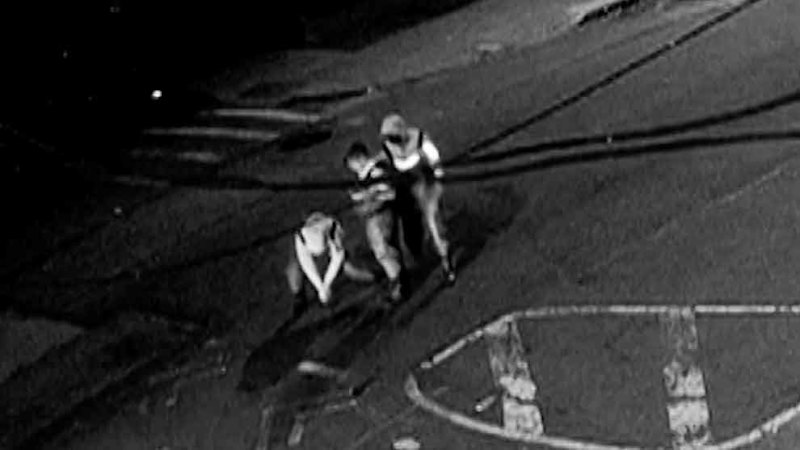
You’re walking down a quiet Brooklyn street at 2:00 AM, and the metal manhole cover in the middle of the asphalt starts to slide open. A head pops out. Then another. Soon, seven or eight people dressed in waterproof hip waders, carrying headlamps and shovels, climb onto the pavement. They pull a fresh change of clothes out of a parked car, slip the heavy iron lid back into place, and vanish into the night.
It sounds like a scene from an urban thriller, but it’s happening right now in New York City. Meanwhile, you can explore similar stories here: The Night the Gulf Held Its Breath.
Recent weeks have seen a string of bizarre late-night sightings across Brooklyn and Queens. Surveillance footage has captured groups of adults dropping into and emerging from the city’s complex subterranean infrastructure. The videos have triggered intense speculation online and forced the NYPD to send its highly trained Emergency Services Unit into the dark to see what’s going on.
So, what exactly drives these groups to descend into thousands of miles of rushing wastewater and pitch-black tunnels? To understand the complete picture, check out the detailed analysis by Reuters.
The Midnight Spelunkers Baffling the NYPD
The mystery caught public attention after multiple security cameras recorded organized groups treating manholes like subway entrances. In Brooklyn's Gravesend neighborhood, a group spent three hours underground before resurfacing at 2:00 AM to change their clothes. Hours later, a similar scene played out in Williamsburg, where seven people emerged in the middle of an intersection, nearly getting hit by a passing car before shutting the lid behind them. Weeks prior, a trio in Astoria, Queens, donned full protective gear and slipped into the system under the cover of darkness.
Local business owners and residents are understandably rattled. People see headlamps and shovels at 2:00 AM and think the worst. The NYPD and the Department of Environmental Protection have since conducted sweeps and inspections of the locations. They found no damage to the equipment and no public safety hazards left behind. No arrests have been made, leaving New Yorkers to guess the motive.
Shovels and Waders Points to Sludge Flushing for Treasure
The most practical theory under active investigation by law enforcement isn't sabotage. It’s wealth. A senior law enforcement official confirmed that investigators believe these groups are scouring the system for valuables that wash down the drain.
Think about what New Yorkers lose every single day. Rings slip off soapy fingers in the shower. Coins fall through street grates. Diamond earrings drop into bathroom sinks. All of that heavy metal eventually flows downstream and settles into the thick, muddy sludge at the bottom of old brick sewer lines.
This isn't a new phenomenon. "Sewer hunting" or "sludge flushing" has a long history. In nineteenth-century London, these individuals were known as toshers. They braved the toxic tides of the Victorian sewers to find coins, ropes, scrap copper, and lost jewelry. Today, modern treasure hunters use high-end metal detectors and heavy-duty shovels to sift through the sediment of old interceptor lines. The fact that the groups spotted in Brooklyn and Queens carried shovels and wore waterproof hip waders strongly supports this theory. They aren't just walking; they're digging.
The Allure of Subterranean Urban Exploration
If they aren't looking for gold, they're likely chasing history. New York City sits on top of a massive, multi-layered underground labyrinth. For decades, a dedicated subculture of urban explorers, or "urbex" enthusiasts, has risked arrest and death to document these spaces.
The city’s sewer system is a marvel of civil engineering, featuring massive brick tunnels dating back to the late 1800s. To a guerrilla historian, standing inside a century-old, 60-foot-wide brick trunk line like the Knickerbocker Avenue Extension in Brooklyn is the ultimate rush. Famed urban explorers have spent years mapping these zones, treating the dark architecture below our feet as a hidden museum.
For these groups, the subterranean world offers an adrenaline-fueled escape from the hyper-monetized, heavily surveyed streets above. They capture photos of subterranean rivers, forgotten masonry, and old utility conduits that most New Yorkers don’t even know exist.
The Severe Dangers Hidden Below the Streets
While the internet cracks jokes about Ninja Turtles and Mole People, the reality of entering a sewer line without authorization is incredibly grim. City officials have repeatedly warned that sneaking into these spaces is a gamble with your life.
The obvious hazard is the rushing water, which can rise instantly during a sudden downpour, trapping explorers in a claustrophobic wet grave. But the invisible killers are far more terrifying. Confined underground spaces are notorious for trapping toxic gases. Hydrogen sulfide, methane, and carbon monoxide can pool in unventilated chambers. A single breath can knock a person unconscious in seconds.
Furthermore, the physical infrastructure itself is volatile. Surfaces are slick with biofilm, structural brickwork can collapse, and open drop shafts plunge dozens of feet into darkness. Just recently, a woman tragically died in midtown Manhattan after falling into a manhole that had its cover dislodged by a vehicle. Going down into these pipes intentionally, without heavy-duty gas detectors, harnesses, and specialized training, is reckless.
If you suspect unauthorized activity near a utility line in your neighborhood, don't confront the individuals. Report the specific intersection and time to 311 or local authorities immediately so utility crews can secure the lids.