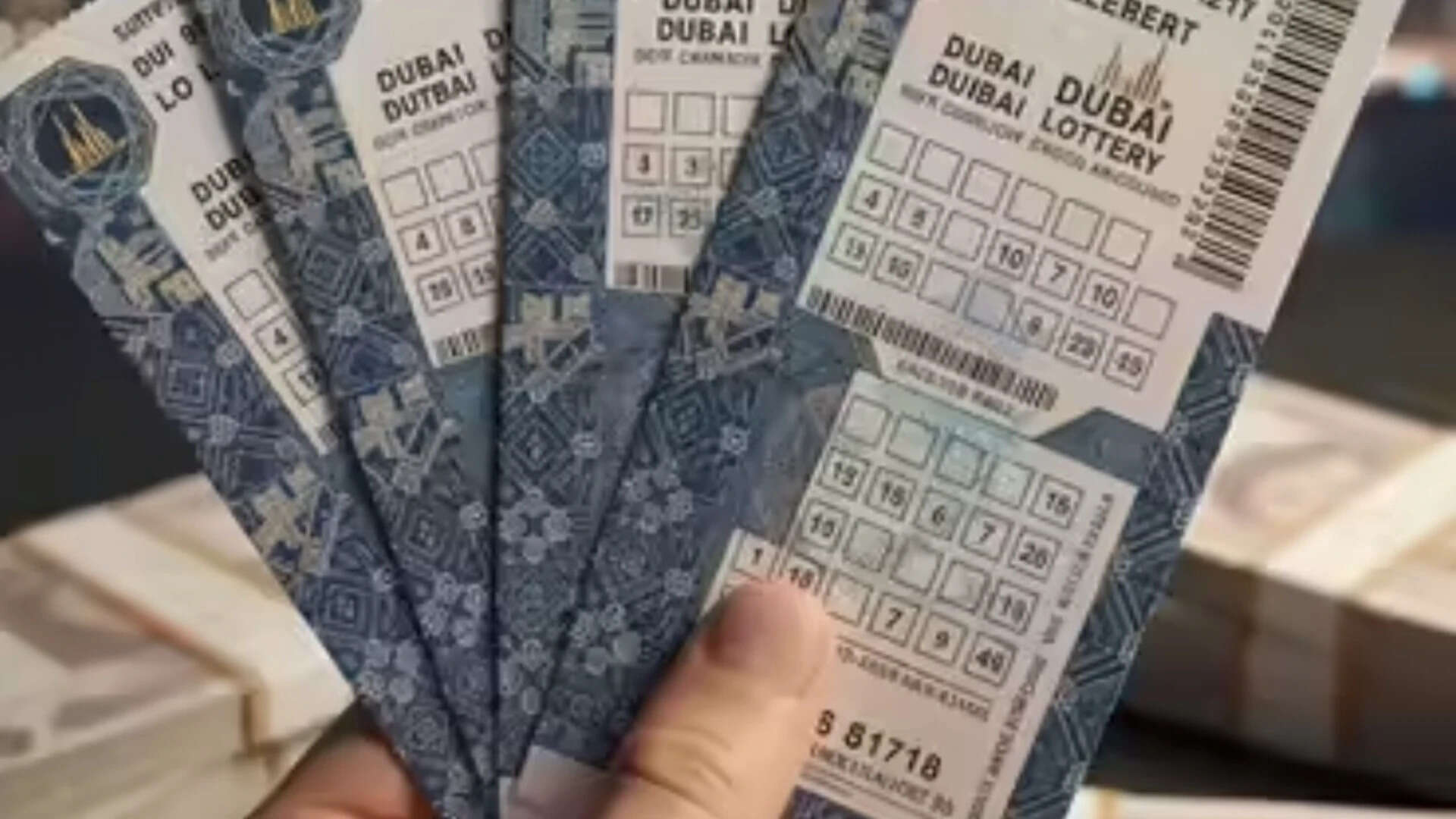
You have probably seen the advice a hundred times if you live in the Gulf. Gather ten coworkers, pool your cash together, buy a bunch of raffle tickets, and split the jackpot. It sounds logical on paper. It spreads the financial risk and gives you more entries for the same price. But syndicates come with a massive psychological and financial tax that nobody talks about.
When you split a win ten ways, a life-changing windfall shrinks into a modest bonus. Even worse, you tie your financial destiny to a group text thread.
Mohammed Nasim Jalal didn't do that. The Bangladeshi photographer has called the UAE home since 2007, working hard while his family remains back in Bangladesh. For years, he quietly bought his entries for the Abu Dhabi Big Ticket raffle entirely on his own. No syndicates, no office pools, no split agreements.
That individual persistence hit home during the second weekly e-draw for June 2026. His ticket, number 288-04229, was drawn as a winner, landing him a cool Dh25,000 prize. In Bangladeshi Taka, that scales past 8 lakh; in Indian Rupees, it clears 5.6 lakh. While it isn't the multistory grand prize yet, the cash represents a massive milestone for a solo player. His takeaway was simple: take a chance and trust the process.
The Solo Strategy vs The Office Pool
Most expatriates in the UAE buy raffle entries in massive groups. They do this because a single ticket often costs Dh500, which is a hefty chunk of change out of a monthly salary. Group buying lets people hold multiple tickets across a single draw, boosting the nominal odds of seeing the group name on the board.
But group entries create a major dilution problem. If a syndicate wins a weekly Dh25,000 prize divided among ten people, each person walks away with just Dh2,500. That is barely enough to cover a month of groceries or a minor utility bill in Dubai. It doesn't move the needle on your life goals.
Jalal took the lone path because he understood a fundamental rule of wealth creation: when you win, you want the full leverage of the money. Winning Dh25,000 individually gives you real strategic options. You can clear a credit card, fund an independent project, or seed an investment account.
Going solo requires discipline. You have to accept buying fewer entries and relying entirely on your own timing. Jalal bought his ticket physically in-store, relying on a routine he sustained across years of trying. When the host called his phone with the news, the money belonged entirely to his household.
Turning Windfalls into Wealth Capital
What you do after winning matters far more than the stroke of luck itself. The most common mistake raffle winners make is treating a windfall like free play money. They splurge on upgraded electronics, designer clothes, or expensive dinners, burning through the capital within weeks.
Jalal isn't spending his cash on immediate luxury. He stated plainly that his plan is to invest the money and grow it further.
For an expatriate living away from family, a cash injection shouldn't be wasted on lifestyle inflation. It should be used to buy financial runway. Investing Dh25,000 into high-yield savings instruments, regional real estate funds, or businesses back home builds an compounding engine. A single win becomes the foundation for long-term stability, rather than a fleeting moment of celebration.
Other winners in the exact same weekly draw are mapping out similar concrete plans:
- Varun Bharadwaj: A telecommunications assistant from Haryana who plans to aggressively clear his outstanding debts and invest the remainder for his future.
- Advaith Suresh Nair: An MBA student who is directing his entire share toward funding his higher education to avoid heavy student loans.
- Vijay Menezes: A banking professional who chose ticket numbers based on his birth date to secure his prize, using it to fund a planned family vacation without dipping into monthly savings.
Navigating the Big Ticket Mechanics Safely
If you are going to participate in major regional draws like the Big Ticket, you need to understand how the system is structured so you don't waste money blindly.
The draw structure runs on a two-tier system. Every ticket purchased enters you into the weekly electronic draws, which happen throughout the month and distribute smaller cash prizes like the Dh25,000 won by Jalal. Following those, all tickets are packed into the massive live draw at the start of the following month. For the upcoming July 3 draw, the grand prize sits at a massive Dh25 million, alongside five secondary prizes of Dh1 million each.
If you want to try your luck without breaking your monthly budget, follow these guardrails:
Treat Entries as Entertainment Expenses
Never buy a ticket using money meant for rent, remittances, or school fees. Allocate it from your discretionary entertainment budget. If you cannot afford the ticket alone, skip the draw entirely until your budget allows it, rather than rushing into messy, uncontracted verbal syndicates.
Buy Through Verified Channels Only
Scams targeting hopeful expatriates are incredibly common. Only purchase entries directly from official physical counters at Zayed International Airport or Al Ain Airport, or through the verified online portal at bigticket.ae. Never buy partial shares of a ticket from third-party websites or unauthorized individuals on social media.
Track Your Outlays
Keep an honest record of what you spend on entries over the year. Trusting the process means being patient, but it also means staying financially literate. If your annual spending on tickets outweighs the utility of a potential smaller win, reevaluate your frequency.
True financial freedom rarely drops out of the sky on a single afternoon. For working professionals and creative expats alike, real security is built through a mix of daily persistence, smart asset allocation, and the patience to let your long-term plans mature.