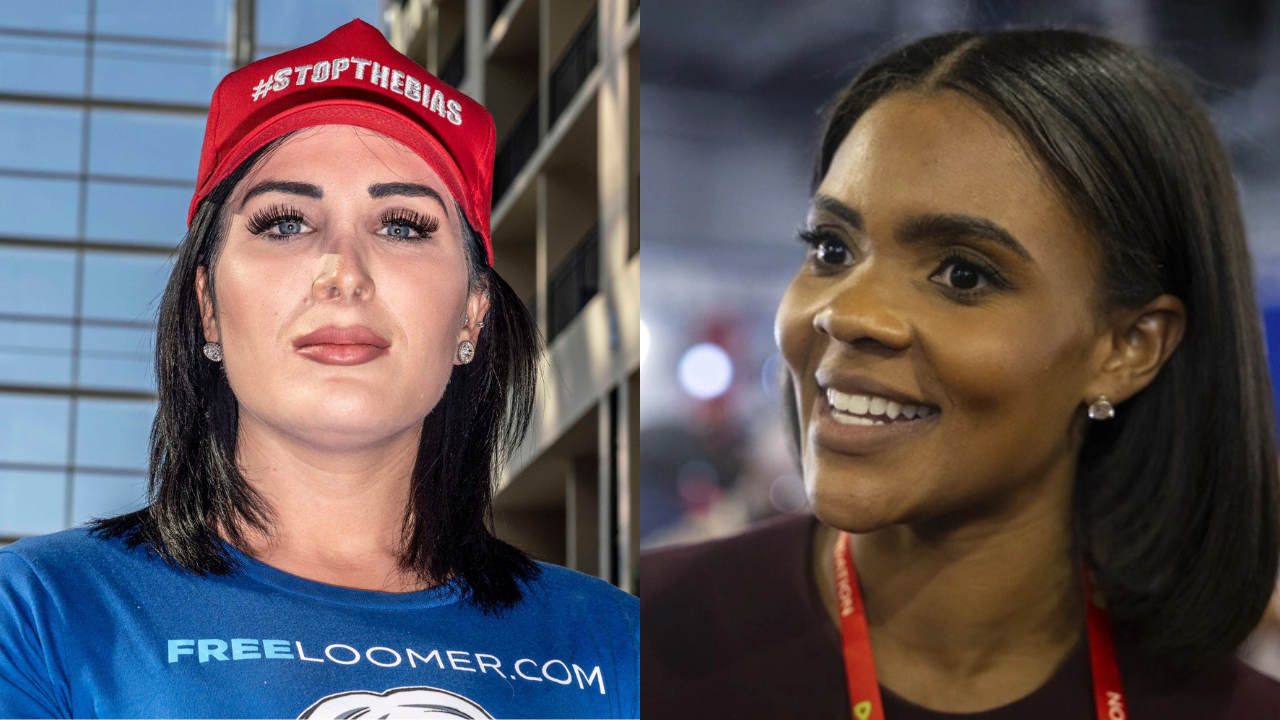
The screen glows with a cold, blue light in the middle of the night. It is the only sun in a digital room where millions watch, wait, and weigh in. This isn't just a news cycle. It is a slow-motion car crash involving some of the most influential voices in the modern American conservative movement.
For years, the alliance between Candace Owens and the Daily Wire—specifically its co-founder Ben Shapiro—seemed like a fortress. It was a partnership of convenience and shared ideology, a polished front against a common cultural enemy. But the fortress is currently in ruins. The stones are being thrown from the inside. For a different perspective, check out: this related article.
The Paper Trail of a Falling Out
When Owens first took to social media to allege that Shapiro was coming after her with "bizarre" lawsuits, the internet didn't just blink; it erupted. This isn't about a simple disagreement over a contract or a polite parting of ways. This is a scorched-earth campaign being fought in the court of public opinion and, allegedly, the actual courts of the land.
Imagine building a career on the bedrock of free speech and "facts don't care about your feelings," only to find yourself entangled in a legal web woven by your former ally. Owens claims she is being silenced. She paints a picture of a woman being cornered by a corporate machine that once touted her as its crown jewel. Similar coverage on this matter has been provided by Wall Street Journal.
The stakes are invisible but massive. They involve the very soul of independent media. If the giants of the "New Media" start using the same litigious tactics as the "Old Media" they supposedly replaced, what actually changed? The fear isn't just about money. It’s about the precedent of ownership over an individual's voice.
The Chorus of Criticism
Enter Laura Loomer.
If Owens and Shapiro are the primary combatants, Loomer is the firebrand standing on the sidelines with a bucket of gasoline. Her response wasn't a whisper. It was a shout. Loomer has never been one for the subtleties of diplomacy, and she didn't hold back in her critique of Owens' handling of the situation.
The friction here isn't just personal. It is tactical. The conservative ecosystem is currently a boiling pot of differing egos and strategies. While Owens plays the role of the besieged truth-teller, Loomer questions the authenticity of the struggle. It creates a surreal dynamic where the watchers are forced to choose sides not based on policy, but on personality.
The Weight of the Allegations
Owens’ claims of "bizarre" lawsuits suggest something more personal than a standard non-compete clause. In the world of high-stakes media, lawsuits are often used as muzzles. They are the expensive way of saying "be quiet."
Think of a writer who spends a decade honing their craft, only to be told they can no longer use their own name or their own insights because a corporation owns the "brand" of their personality. It’s a terrifying prospect for any creator. Owens is positioning herself as the canary in the coal mine. She wants the public to see her not as a celebrity, but as a warning.
The irony is thick. The Daily Wire was built as an alternative to the heavy-handed censorship of Big Tech. To see it accused of using legal maneuvers to suppress one of its former stars feels like a betrayal to many of its followers. It suggests that behind the scenes, the "facts" are much messier than the polished segments delivered behind a microphone.
A House Divided
The fallout is creating a ripple effect. This isn't happening in a vacuum. Every tweet, every leaked document, and every cryptic video message shifts the tectonic plates of the political landscape.
Followers who once viewed these figures as a unified front are now forced to navigate a minefield of loyalty. Does supporting Candace mean betraying the Daily Wire? Does agreeing with Ben Shapiro’s legal right to protect his business mean you’re a proponent of "cancel culture" via the courtroom?
The human element here is the exhaustion. The audience is tired. They came for a shared vision of the future, and instead, they are getting a front-row seat to a messy divorce. It’s the sound of glass shattering in a house that everyone thought was bulletproof.
The Cost of the Conflict
There is a psychological price to pay when the leaders of a movement turn on one another. It breeds a specific kind of cynicism. When the people who tell you "the truth" are busy calling each other liars in legal filings, the truth itself starts to feel like a secondary concern.
Owens is leaning into this. She is using her vulnerability as a weapon. By claiming she is being attacked for her views and her independence, she is tapping into a deep-seated fear among her base: the fear of being controlled.
Shapiro, meanwhile, maintains the stoic position of a businessman protecting an empire. But in the age of the influencer, being "right" on paper often matters less than being "liked" on screen. The legal battle might be won in a courtroom, but the cultural battle is being lost in the comments section.
The Invisible Stakes
Why does this matter to the person who doesn't follow political drama? Because it highlights the fragile nature of the "independent" voice in the digital age. It shows that even in the spaces carved out to be free from corporate interference, the same old power dynamics eventually take root.
The "bizarre" attacks Owens describes are a symptom of a larger disease: the commodification of belief. When your opinions are your product, you are never truly free to change them, and you are certainly not free to leave the person who owns the distribution.
The narrative Owens is spinning is one of David versus Goliath, even if David is a millionaire and Goliath is a media company she helped build. It’s a story as old as time, repackaged for the era of the twenty-four-hour news cycle.
The Echoes of the Fight
Laura Loomer’s intervention adds a layer of chaotic transparency. By criticizing Owens, she exposes the cracks in the "freedom" narrative. She reminds the audience that even among the rebels, there are hierarchies and there are rules.
The criticism isn't just about the lawsuits. It’s about the perception of victimhood. In a movement that prides itself on strength and personal responsibility, playing the victim is a dangerous gamble. Loomer is betting that the audience will eventually sour on the drama.
But for now, the drama is all there is.
The Silence Before the Next Storm
There is a specific kind of quiet that follows a massive explosion. We are in that quiet now. The lawsuits are pending. The tweets have been sent. The sides have been chosen.
Owens remains defiant. Shapiro remains silent or legally guarded. Loomer remains vocal.
Behind the scenes, lawyers are counting billable hours and fans are refreshing their feeds. The human core of this story isn't the legal jargon or the contractual disputes. It is the realization that the people we look to for guidance are just as susceptible to pride, anger, and betrayal as anyone else.
The pedestal is empty. The players are on the ground, wrestling in the dirt, and the audience is realizing that the fortress was always made of paper.
The screen flickers. A new notification pops up. The cycle begins again, but the trust—that invisible, essential thread—is fraying beyond repair. You can't unsee the cracks in the glass once the light hits them just right.