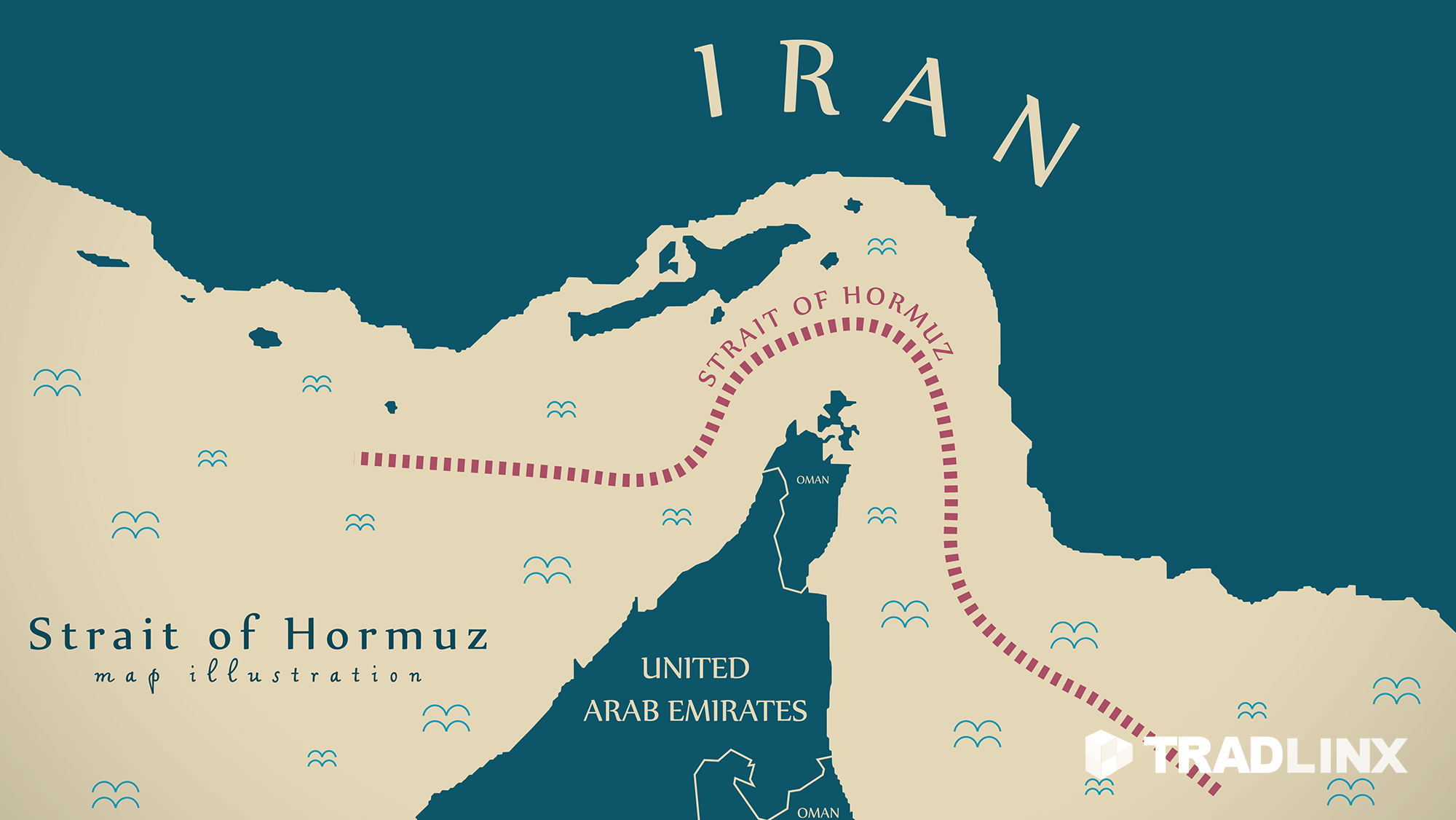
The sea does not care about sanctions. It only understands displacement, gravity, and the relentless pressure of a hull against the tide. Somewhere in the vast, salt-sprayed expanse of the Persian Gulf, a tanker sits low in the water. It carries a cargo that, according to the strict ledgers of international diplomacy, should not officially exist. This is the "black gold" of Iran, a substance that has fueled empires, sparked revolutions, and, for decades, acted as the primary friction point between Washington and Tehran.
Usually, the story ends there. The oil stays trapped, or it moves through the shadows, transferred between ships in the dead of night with transponders turned off. But recently, the gears of the global machine shifted. The United States government, in a move that felt less like a handshake and more like a tactical exhale, authorized the temporary delivery and sale of oil originating from Iran.
This is not a sudden burst of geopolitical friendship. It is a cold, calculated calibration of the world’s energy scales.
To understand why a few million barrels of oil matter, you have to look past the spreadsheets. Consider a hypothetical refinery manager in a developing nation—let's call him Elias. For Elias, oil isn't a political talking point. It is the literal lifeblood of his city. When prices spike because of supply crunches, the lights in his neighborhood flicker. The cost of transporting grain to the local market rises. Poverty isn't an abstract concept for Elias; it’s the sound of a diesel engine that won't start because the fuel is too expensive.
The U.S. decision to allow this specific batch of Iranian oil to hit the market is a pressure valve. It acknowledges a reality that many in power hate to admit: the global economy is an interconnected web where pulling a single thread in the Middle East can cause a tear in a kitchen in Ohio or a factory in Vietnam.
The Mechanics of the Shadow Market
For years, Iranian oil has been the ghost of the energy sector. It haunts the markets, influencing prices through its absence or its illicit presence. The U.S. Treasury Department holds the keys to the kingdom, using the dollar’s dominance to freeze out those who dare to trade with the Islamic Republic. Yet, the world is thirsty.
When the authorization came through, it wasn't a blanket lift of sanctions. It was a surgical exception. The oil in question had often been sitting in limbo—seized, diverted, or held in storage due to previous legal entanglements. By allowing this oil to be sold, the U.S. isn't just generating revenue or clearing space; it is manipulating the available supply to prevent a price floor from falling out or a ceiling from shattering.
Think of it as a dam. The sanctions are the concrete wall. But even the strongest dam needs a spillway. If the pressure of global demand becomes too great, the entire structure risks a catastrophic breach. This temporary authorization is the opening of that spillway.
The Invisible Stakes of a Barrel
Why now? The answer lies in the volatility of the present moment. We live in an era where a single drone strike or a closed shipping lane can send the cost of a gallon of gas spiraling. The U.S. administration is walking a tightrope. On one side, they must maintain a "tough on Iran" stance to satisfy domestic critics and middle-eastern allies. On the other, they are terrified of an energy crisis that could derail an election or sink a fragile post-pandemic recovery.
The oil market is a beast of sentiment. Traders don't just buy what is there; they buy what they think will be there in six months. By signaling that Iranian oil can, under specific circumstances, reach the market, the U.S. is whispering to the bulls and the bears. It is a reminder that the "total ban" is a tool, not a suicide pact.
There is a visceral irony here. The very molecules that the U.S. spends billions of dollars trying to contain are the same ones it occasionally relies on to keep the global gears grinding. It’s a game of high-stakes poker where everyone knows the other person is cheating, but they all need the game to keep going so they can stay in the room.
The Human Cost of the Freeze
Behind every policy memo are the people who live in the margins. In Iran, the inability to sell oil isn't just a blow to the Revolutionary Guard; it is a weight on the neck of the middle class. It is the scarcity of imported medicines. It is the inflation that eats a grandfather’s pension before he can get to the bakery.
When the U.S. authorizes a sale, even a temporary one, it ripple-effects through these lives. While the proceeds of these specific sales are often tightly controlled—funneled into escrow accounts or restricted to humanitarian purchases—the mere movement of the commodity changes the atmospheric pressure of the Iranian economy.
But don't be fooled. This isn't a humanitarian gesture. It is a move made in the cold light of a Treasury office. The "human element" is often the collateral damage or the unintended beneficiary of a much larger chess game.
The Ledger of the Future
What happens when the temporary window closes? The oil moves back into the darkness. The tankers go back to being ghosts. The "sale" becomes a "seizure" once again.
We often think of international law as a fixed set of rules, like the laws of physics. It isn't. It is a fluid, living thing that bends to the needs of the powerful. The sale of Iranian oil is a perfect example of this plasticity. If the world needs the oil badly enough, the "unauthorized" becomes "authorized" with the stroke of a pen.
The complexity is staggering. To track a single barrel from a well in Khuzestan to a gas station in Europe requires a level of forensic accounting that would make a spy blush. There are shell companies, flag-of-convenience vessels, and middle-men who specialize in making the "origin" of a liquid disappear.
The Heavy Silence of the Sea
The ocean is big enough to hide many secrets, but it cannot hide the truth of supply and demand. The U.S. authorization is a confession. It is an admission that despite all the rhetoric of energy independence and "de-coupling," we are still bound to the same prehistoric carbon that lies beneath the Iranian sand.
We are all part of this narrative. When you click a button to order a product from across the world, you are invoking the ghost ships. You are asking for the very energy that these sanctions try to throttle. We want the moral high ground of the sanction, but we want the low price of the commodity.
The U.S. government just gave us a little bit of both. They kept the pressure on Tehran while making sure the global machine didn't seize up. It’s brilliant. It’s cynical. It’s the world we built.
As the sun sets over the Gulf, the tanker that was once a pariah is now a participant. It moves toward a port, its cargo finally recognized by the ledgers of the West. The sailors on board likely don't care about the policy shifts in D.C. They care about the next port, the next meal, and the steady vibration of the engines beneath their feet.
The oil will be burned. The carbon will enter the atmosphere. The money will move through encrypted channels. And tomorrow, the game will begin again, with new rules written in the same old ink.
Somewhere, a clerk in a sterile office is filing the paperwork that makes this all "legal." They use a stapler that sounds like a gavel. One more ghost ship brought into the light. One more day the lights stay on for Elias. One more breath before the next crisis.
The ledger is never balanced. It is only managed.