The air on the docks of Mumbai’s Jawaharlal Nehru Port Trust doesn't just smell of salt and diesel. It smells of survival. At any given hour, massive steel hulls—some the size of skyscraper towers laid on their sides—groan against the rubber fenders. They carry the lifeblood of a billion people: Liquefied Petroleum Gas (LPG) for the stoves in rural kitchens and crude oil for the engines of a surging economy. To the casual observer, these tankers are mere logistics. To the geopolitical strategist, they are miracles.
Thousands of miles away, the Strait of Hormuz has become a choke point where the world’s superpowers play a high-stakes game of chicken. A U.S.-led blockade or "monitoring mission" attempts to throttle the flow of energy from sanctioned nations. Logically, the flow should stop. The global economy should stutter. Yet, the tankers keep arriving in Mumbai.
They arrive because of a shadow world of maritime ingenuity that operates just beneath the surface of international law.
The Captain’s Silent Screen
Picture a man named Elias. He is a hypothetical composite of the merchant mariners navigating these waters, sitting in a bridge illuminated only by the dull green glow of navigation screens. Ordinarily, a ship's Automatic Identification System (AIS) acts like a digital lighthouse. It broadcasts the ship’s name, position, and speed to anyone listening. It is the primary way the world keeps track of its 50,000 merchant vessels.
But Elias reaches for a switch.
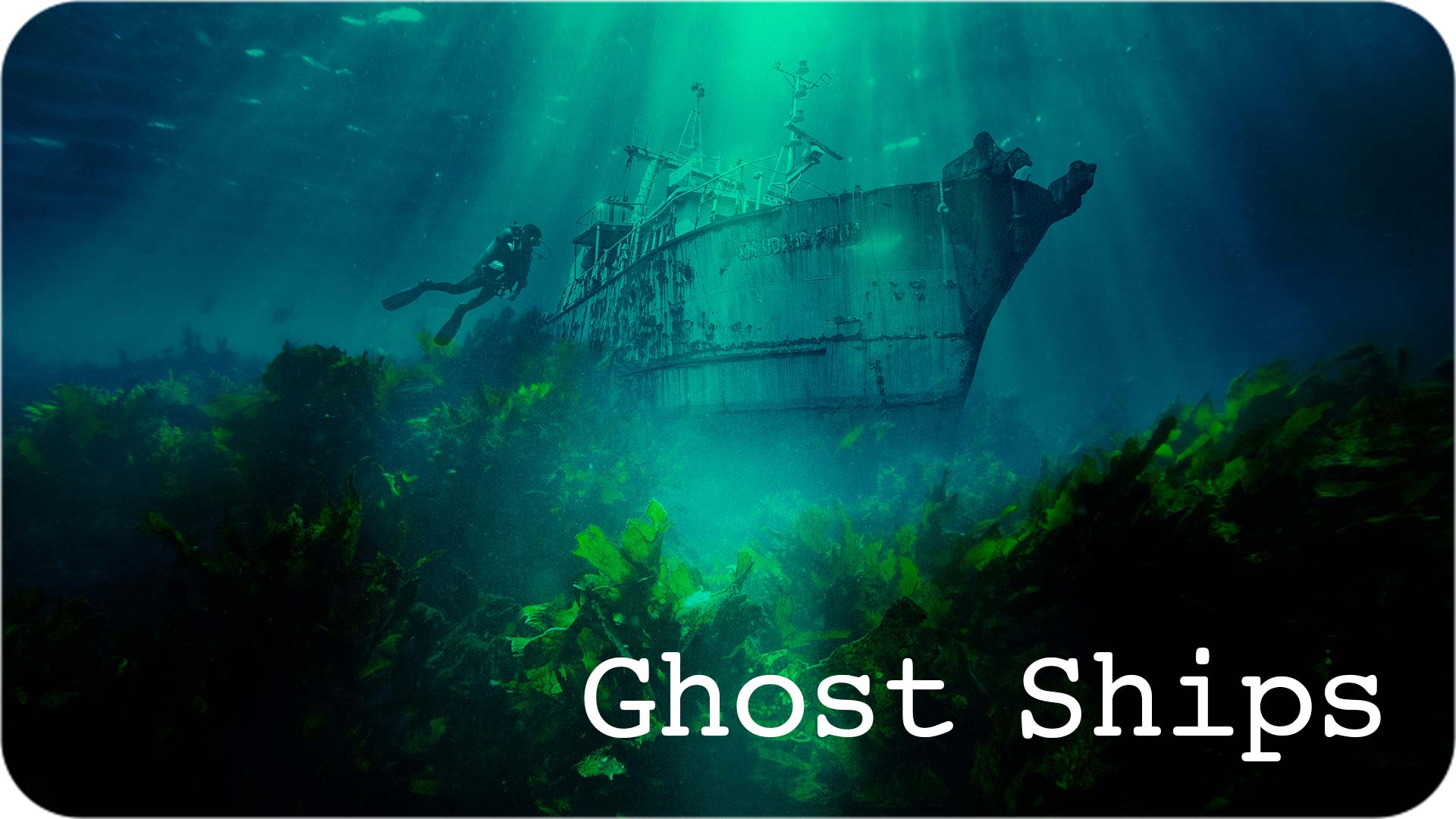
The screen goes dark. In the eyes of global satellite tracking, the 300-meter-long tanker has ceased to exist. It is now a "ghost ship."
This isn't a scene from a thriller. It is a daily reality for a significant portion of the fleet supplying India. When the U.S. imposes sanctions or blockades, they don't just put up a physical fence in the water; they blacklist the digital identities of ships. To bypass this, vessels engage in "dark port calls." They vanish near the Iranian coast, take on their cargo under the cover of electronic darkness, and reappear days later in the middle of the Arabian Sea, claiming to have come from a completely different port.
The Art of the Digital Mimic
The cat-and-mouse game goes deeper than simply turning off a transponder. That is too easy to spot. Sophisticated operators now use "AIS spoofing."
Imagine you are a coastal guard officer monitoring a radar screen. You see a ship moving at 12 knots toward the Indian coast. Its digital signature says it is a small bulk carrier hauling grain from a friendly port. However, if you were to look through high-powered binoculars, you would see the unmistakable, low-slung silhouette of an oil tanker.
The ship is lying.
By using advanced software to broadcast false coordinates and identity data, these tankers create a digital mirage. They can make it appear as though they are circling in international waters while they are actually docked at a sanctioned terminal. This digital sleight of hand is the only reason your local gas station hasn't run dry. It is a symphony of deception played out across the electromagnetic spectrum.
The Flag of Convenience and the Paper Trail
Every ship must be registered to a country, a practice known as flying a "flag." If you fly the flag of a major Western power, you are subject to intense scrutiny. But if you fly the flag of a small island nation—places like Saint Kitts or Gabon—the oversight is often... flexible.
The tankers reaching Mumbai frequently undergo "reflagging" mid-voyage. A ship might start its journey as the Golden Star under a Panamanian flag and arrive as the Sea Breeze under a Cook Islands registry. This isn't just about changing a name on the hull with a fresh coat of paint. It involves a dizzying array of shell companies.
A single tanker might be owned by a company in the Marshall Islands, managed by a firm in Dubai, and insured by a shadowy entity that doesn’t appear on any Western financial register. By the time a regulator tries to trace the ownership, the trail has gone cold in a dozen different jurisdictions.
Ship-to-Ship: The Mid-Ocean Handshake
The most dramatic part of this invisible supply chain happens in the open ocean, far from the prying eyes of port authorities. It is called a Ship-to-Ship (STS) transfer.
Two massive tankers pull alongside each other. They are so close that the crews could toss a grapefruit from one deck to the other. Huge rubber hoses, thick as tree trunks, are connected between the vessels. For hours, millions of gallons of oil or LPG are pumped from a "sanctioned" vessel to a "clean" one.
The "clean" vessel then sails into Mumbai, its paperwork perfectly in order, its cargo ostensibly sourced from a non-blocked entity. The "sanctioned" vessel turns back to do it all over again.
This process is incredibly dangerous. A single spark, a ruptured hose, or a sudden swell could trigger an environmental catastrophe or a massive explosion. The sailors performing these maneuvers aren't doing it for the thrill. They are doing it because the demand for energy in Mumbai is an insatiable beast that must be fed.
Why India Can’t Just Say No
It is easy to look at this "shadow fleet" and see a violation of international order. But for a developing nation, the perspective is different. Energy security is not a theoretical concept; it is the difference between a child studying under a lightbulb or sitting in the dark. It is the difference between a factory owner paying his staff or shutting his doors.
India is the world’s third-largest consumer of oil. It imports over 80% of its requirements. When geopolitical rifts in the Middle East threaten to cut off that supply, the government doesn't have the luxury of purely moral posturing. They need the gas. They need the oil.
The U.S. blockade is designed to exert pressure on specific regimes, but the unintended consequence is often the "weaponization" of the dollar and the global insurance market. By forcing India and other nations to find workarounds, the West is inadvertently creating a parallel global economy—one that is darker, harder to track, and completely immune to traditional sanctions.
The Invisible Stakes
There is a human cost to this secrecy. The sailors on these ghost ships often lack standard insurance. If a mariner is injured on a "dark" vessel, there is no guarantee of medical evacuation or compensation. They are working in a legal gray zone, often on older ships that should have been scrapped years ago.
These aging vessels, dubbed "vintage tankers," are the backbone of the blockade-running fleet. They are the rust-streaked workhorses that keep the global gears turning, even as they risk falling apart under the strain of their secret missions.
But as long as the price difference between "official" oil and "shadow" oil remains high, the incentive to keep sailing will persist. Money, like water, always finds a way through the cracks.
The Silent Arrival
As the sun sets over the Arabian Sea, another tanker glides past the Gateway of India. To the tourists taking selfies on the shore, it is just a distant shape on the horizon. They don't see the turned-off transponders. They don't see the mid-ocean transfers or the layers of shell companies hidden in filing cabinets in offshore tax havens.
They just see a ship coming home.
The blockade of Hormuz might be a headline in Washington, but in the engine rooms and boardrooms of Mumbai, it is merely a problem to be solved with a bit of code, a change of flags, and a captain willing to sail into the dark. The ghost ships keep moving because the world cannot afford for them to stop. The lights stay on in the city, the stoves click to life in the suburbs, and the silent war on the waves continues, invisible to all but those who know where to look.
Deep in the hold of that nameless tanker, the pressure is steady. The cargo is heavy. And the mission, however shadowed, is complete.