The rain in Seoul does not merely fall; it lingers, heavy and gray, soaking through the concrete joints of a city that built its glittering future atop the buried bones of its past.
Imagine walking out of a neon-lit multiplex in Gangnam, your senses still ringing from the thundering gunfire and the agonizingly slow crawl of military trucks on screen. You step onto the damp asphalt, check your smartphone for the latest subway schedules, and realize with a sudden, chilling jolt that the men in those vintage olive-drab uniforms—the ones whispering treason in smoke-filled rooms—were not ancient history. They were the grandfathers of the kids sharing your subway car. They were the architects of the world you are standing in right now. Read more on a similar topic: this related article.
This is the psychological pressure cooker of modern South Korea, a nation currently at war with itself over a piece of cinema.
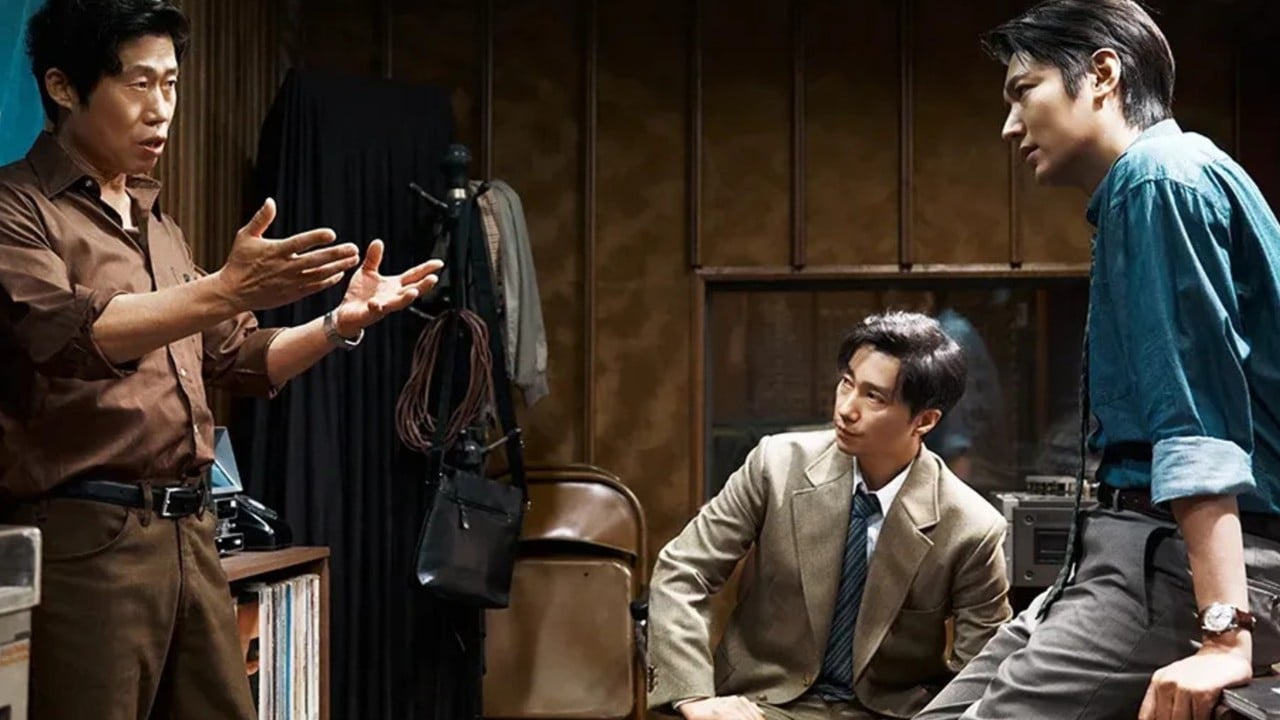
The film is 12:12: The Day. To call it a blockbuster is to misunderstand its cultural gravity. It is an earthquake captured on celluloid, a harrowing, real-time reconstruction of the nine hours on December 12, 1979, when a rogue military faction seized control of the government following the assassination of dictator Park Chung-hee. It is a cinematic detonation that has fractured the national consciousness, turning movie theaters into arenas of generational reckoning. Additional journalism by Variety explores related views on this issue.
To understand why a historical drama about a failed coup has millions of South Koreans screaming at each other across dinner tables, you have to look past the box office receipts. You have to look at the machinery of memory.
The Anatomy Of A Nine-Hour Nightmare
Director Kim Sung-su did not set out to make a comfortable history lesson. He constructed a pressure chamber.
The narrative centers on a dark winter night when South Korea stood at a crossroads. The long, iron-fisted dictatorship of Park Chung-hee had just been violently shattered. For a brief, intoxicating moment, the spring of democracy seemed within reach. The air felt lighter. Students dared to dream of open elections, free press, and civilian rule.
Then came the darkness.
Inside the Capital Defense Command, loyalist officers stare at glowing red telephones that ring with impossible demands. Outside, armor divisions roll through the frozen streets of Seoul, their engines roaring against the silence of the night. At the center of the storm is Major General Chun Doo-gwang—a thinly veiled avatar for the real-life dictator Chun Doo-hwan—whose eyes gleam with a terrifying, unshakeable certainty. He is not just seizing power; he is bending history to his will through sheer, unadulterated intimidation.
As you watch the film, the pacing is designed to make your chest tighten. Every minute ticks by with the agonizing precision of a time bomb. You watch good men hesitate. You watch institutional systems crumble not because they are fragile, but because the men operating them refuse to believe that someone could be audacious enough to break every rule in the book.
And that is where the film strikes a raw, exposed nerve for contemporary audiences.
The Generation Gap Wielding Popcorn
Step into a theater lobby in Seoul after a screening, and you will witness a living sociological experiment.
On one side stand the elders. For many grandparents who lived through the 1970s and 1980s, the era of military rule is complicated by a lingering, deeply ingrained defense mechanism. They remember the rapid economic transformation of the Miracle on the Han River. They remember the order, the stability, the industrial might that turned a war-ravaged ruin into a global powerhouse. To them, figures like Chun Doo-hwan are uncomfortable necessities of a harsh geopolitical reality—men who kept the North Korean threat at bay while building the modern state.
On the other side stand the millennials and Gen Z. For these younger generations, South Korea’s vibrant democracy—cemented by the candlelight protests of recent decades and a globally dominant cultural wave—is their birthright. They take freedom for granted in the best possible way. When they watch 12:12: The Day, they do not see a nuanced geopolitical chess match. They see armed thugs hijacking their country’s destiny. They see the root cause of systemic corruption, institutional rot, and the silencing of civilian voices.
The result is a bitter intergenerational clash. Grandparents accuse grandchildren of naivety, arguing they know nothing of the dangers that once surrounded the peninsula. Grandchildren look at their elders with disbelief, asking how anyone could excuse or minimize the actions of a military junta that tortured dissidents and crushed civil liberties in a chokehold of fear.
This is why the country is at war with itself. The movie is not just reviving memories; it is dragging an unresolved family argument out into the open air.
The Box Office As A Barometer Of National Soul
Numbers tell a story, but only if you know how to read the emotional subtext beneath them.
12:12: The Day didn't just break box office records; it shattered them by mobilizing a phenomenon known as the "judgement challenge." Younger moviegoers weaponized ticketing apps, buying seats for their parents and grandparents, daring them to watch the events unfold and justify what they saw. Social media feeds flooded with reaction videos of youths interrogating their older relatives: Did you know this happened? Why didn't you stop them? How could you live through this and stay silent?
This digital cross-examination points to a profound truth about South Korean society. The nation’s extraordinary rise—its cinema, its music, its technology, its global soft power—was achieved at a terrifying human cost. The democratic institutions that now allow artists to openly critique and vilify former dictators were forged in the fire of student uprisings, street battles, and tear gas.
When a society becomes as globally visible and culturally confident as South Korea is today, it inevitably turns inward to audit its own founding myths. You cannot export global pop culture while keeping your national trauma locked in a dark closet. The past always demands to be settled.
The Echoes That Refuse To Fade
Consider the weight of what happened after those nine hours in December 1979. The coup succeeded. The military consolidated its grip, leading directly to the Gwangju Uprising of May 1980, where citizens who demanded democracy were met with brutal, state-sanctioned violence. The scars of Gwangju still weep in the collective conscience of the nation. Mothers still look for sons who never came home from the streets.
When a film manages to rake in tens of millions of dollars in a saturated media market by simply showing men arguing over military deployments in smoke-filled rooms, it proves something vital about human nature. We crave accountability. We yearn to look the monster in the eye and name it, even if the monster has been dead for years or protected by the gray passage of time.
The credits roll. The house lights surge upward, blindingly bright. The audience shuffles out in silence, past posters of smiling pop stars and glossy advertisements for luxury goods. But outside, the night air of Seoul still carries the damp chill of history, reminding everyone who walks its streets that the distance between a fragile democracy and a midnight coup is only ever as wide as a single generation’s vigilance.