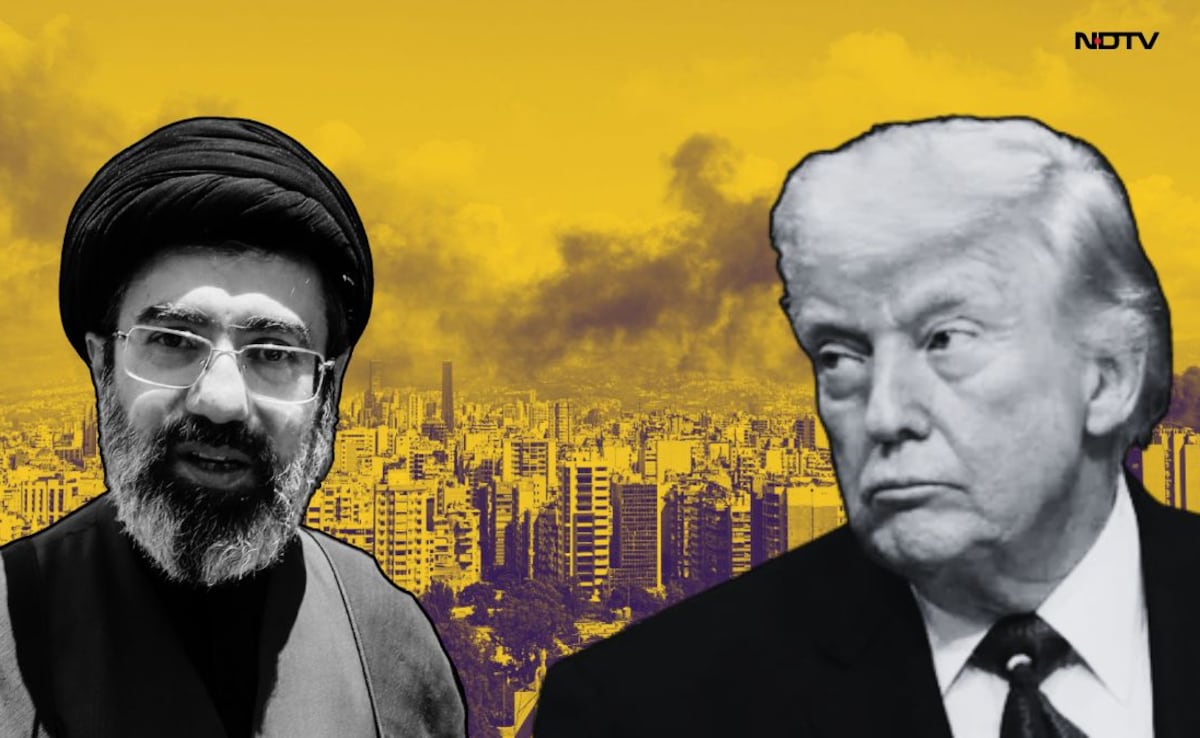
The utilization of Persian proverbs in response to high-level diplomatic overtures is not a matter of cultural aesthetic but a calculated maneuver in asymmetric signaling. When Iranian officials dismiss U.S. claims of "grand bargains" or "maximum pressure" outcomes through localized idioms, they are executing a strategy designed to devalue the opponent’s diplomatic currency while maintaining internal political cohesion. This structural resistance is rooted in a non-cooperative bargaining framework where the perceived cost of submission exceeds the calculated risk of continued isolation.
The Triad of Iranian Strategic Signaling
To understand the friction between Washington’s transactional diplomacy and Tehran’s ideological endurance, one must categorize the Iranian response into three distinct functional pillars. These pillars dictate how the Islamic Republic processes external pressure and why "quick deals" often fail to materialize.
- Sovereignty Preservation (The Zero-Sum Constraint): For the Iranian leadership, any agreement framed as a result of external coercion is viewed as a systemic threat to the legitimacy of the state. Consequently, the use of dismissive rhetoric serves to reframe the narrative from "negotiation under duress" to "resistance against arrogance."
- Strategic Patience as a Defensive Asset: Iran operates on a temporal horizon significantly longer than the four-to-eight-year cycles of U.S. administrations. By mocking short-term peace claims, Tehran signals that it can outlast the current political mandate of its interlocutor, effectively nullifying the "ticking clock" leverage often employed by Western negotiators.
- The Domestic Audience Feedback Loop: Proverbial dismissals are highly legible to the Iranian populace and the "Axis of Resistance" allies. They reinforce a posture of strength that counteracts the psychological impact of economic sanctions.
The Mechanics of Proverbial Diplomacy
The specific use of a proverb—such as the one mocking the idea of "dreaming of a deal that will never happen"—operates as a low-cost, high-impact diplomatic tool. In game theory terms, this is a "cheap talk" signal that nonetheless carries significant weight because it establishes a hardline "reservation point."
The reservation point is the minimum requirement for a party to reach a deal. By utilizing a proverb to suggest the U.S. position is delusional, Iran is signaling that the current offer is so far below their reservation point that it does not merit a technical rebuttal. This forces the U.S. to either escalate (increasing the risk of kinetic conflict) or return with a significantly improved opening bid.
Structural Bottlenecks in the "Big Peace Deal" Logic
The premise of a "Big Deal" often rests on the assumption that economic incentives can override deep-seated security concerns. This creates a logical bottleneck in three specific areas:
The Verification-Trust Gap
Transactional deals require high levels of verification. However, the more intrusive the verification, the more it infringes on the "Sovereignty Preservation" pillar mentioned above. Iran views the demand for "anytime, anywhere" inspections not as a transparency measure, but as intelligence gathering for future targeting. This creates a feedback loop where the more the U.S. asks for certainty, the more Iran perceives a threat, leading to further rhetorical withdrawal.
Sanctions Degradation and Economic Adaptation
The effectiveness of sanctions follows a curve of diminishing returns. Over time, the target state develops "sanctions-proofing" mechanisms—shadow banking networks, bartering systems with regional partners, and domestic import substitution. As the marginal pain of each new sanction decreases, the "Cost of Compliance" begins to look higher than the "Cost of Defiance." When Iran mocks a deal, they are essentially stating that their adapted economy can sustain the status quo indefinitely.
The Credibility of Commitment Problem
A primary deterrent to any long-term Iranian commitment is the lack of institutional permanence in U.S. foreign policy. The unilateral withdrawal from the JCPOA in 2018 serves as the foundational data point for Iranian strategists. From their perspective, the probability of a "Big Deal" surviving a change in the U.S. Executive Branch is statistically low. Therefore, the rational move is to extract maximum concessions upfront while giving away as little "irreversible" nuclear or regional infrastructure as possible.
Quantifying the Rhetorical Friction
While the media focuses on the "mockery" aspect, a data-driven analyst must look at the correlation between rhetorical escalation and regional kinetic activity.
Historically, when Iran moves from technical negotiations to public metaphorical dismissals, it often precedes a shift in regional posturing. This is not "irrational" behavior; it is a defensive calibration. If the diplomatic path is perceived as a dead end, the state reallocates its resources toward its "Strategic Depth" assets—namely, its network of regional proxies.
- Level 1 (Technical): Focus on IAEA compliance and banking technicalities.
- Level 2 (Political): High-level statements about "mutual respect."
- Level 3 (Symbolic/Proverbial): Rejection of the framework of the conversation entirely.
When the discourse reaches Level 3, it indicates a total breakdown in the "Zone of Possible Agreement" (ZOPA).
The Miscalculation of "Maximum Pressure"
The "Maximum Pressure" strategy assumes that a state's breaking point is purely economic. However, the Iranian model suggests a Sociopolitical Elasticity that the West consistently underestimates. This elasticity is bolstered by the narrative of "the Resistance Economy."
By mocking Trump’s (or any U.S. leader's) claims, the Iranian foreign ministry is testing the "resolve" variable. In bargaining, if you can convince your opponent that you are indifferent to the pain they are inflicting, you effectively strip them of their leverage. The proverb is the linguistic manifestation of that feigned or actual indifference.
The Shadow of Regional Hegemony
A "Big Peace Deal" from the U.S. perspective usually involves Iran curbing its missile program and its influence in Lebanon, Syria, Iraq, and Yemen. To Iran, these are not "bargaining chips"—they are the primary deterrents that prevent a conventional invasion of the Iranian heartland.
Replacing a robust proxy network with a piece of paper signed by a temporary administration is, in the eyes of the IRGC (Islamic Revolutionary Guard Corps), a catastrophic trade. The "mockery" in their response is a reflection of the perceived absurdity of this trade-off. They are being asked to trade a tangible, multi-decade investment in regional power for intangible, reversible promises of economic integration.
Strategic Forecast: The Shift to Multipolar Hedging
The persistent failure of U.S.-Iran grand bargains is driving Tehran toward a "Look East" policy. This is not merely a preference but a structural necessity. By integrating into the SCO (Shanghai Cooperation Organisation) and BRICS, Iran is attempting to move the "Reservation Point" entirely out of the U.S. sphere of influence.
The mocking tone toward U.S. deal-making claims signals a transition from "Negotiating with the West" to "Ignoring the West." The strategic recommendation for any entity analyzing this space is to stop looking at the proverbs as insults and start looking at them as exit signs. Iran is signaling its departure from the Western-led order of conflict resolution.
Future interactions will likely be characterized by:
- Transactional De-escalation: Small, "tit-for-tat" swaps (prisoners, specific frozen assets) rather than comprehensive treaties.
- Gray-Zone Maneuvering: Continued use of non-state actors to maintain leverage without triggering full-scale war.
- Rhetorical Autonomy: A total decoupling of Iranian diplomatic language from Western expectations of "professionalism."
The strategic play here is not to wait for a "Big Deal" that will never come, but to manage the "Small Realities" of regional containment and nuclear latency. Any strategy predicated on a breakthrough "Grand Bargain" ignores the fundamental structural misalignments that make such a deal a mathematical impossibility in the current geopolitical climate.



