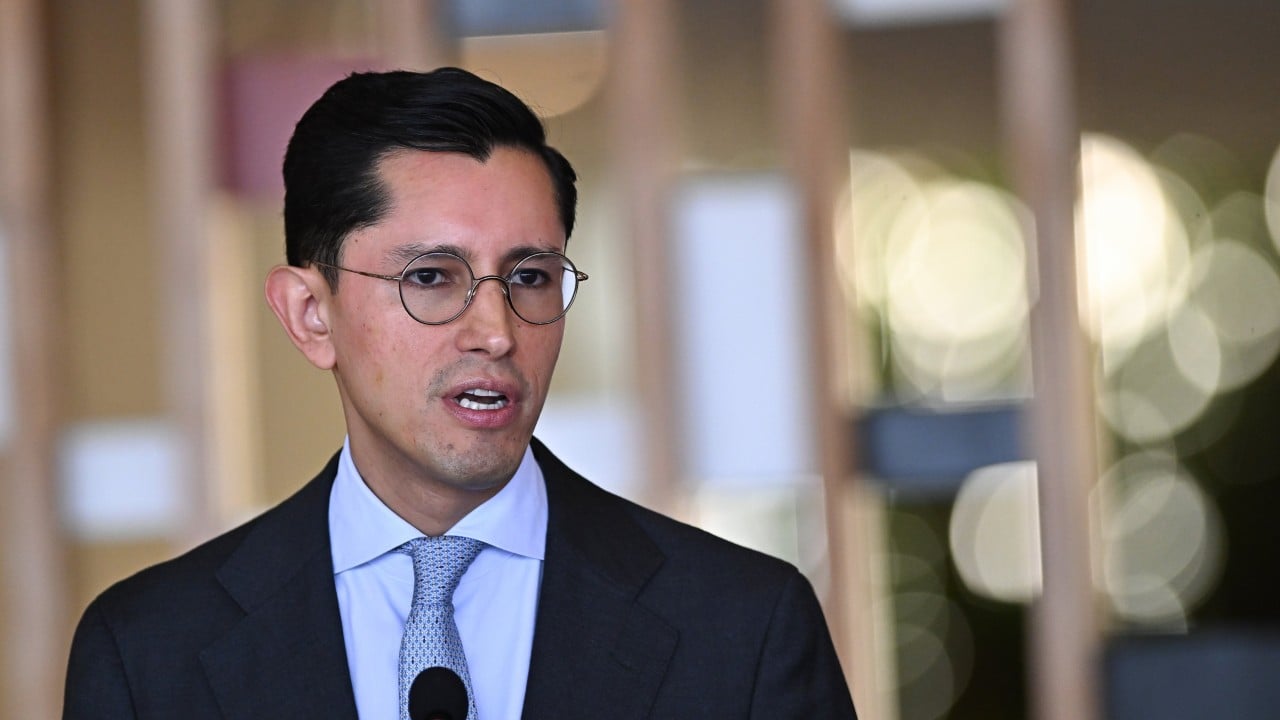
Mexican Foreign Affairs Secretary Roberto Velasco Alvarez arrives in Beijing this week to meet with Chinese Foreign Minister Wang Yi, stepping straight into a high-stakes diplomatic crossfire. Washington has ramped up pressure on Mexico City to dismantle its growing commercial alignment with Beijing, viewing Mexican ports and industrial corridors as an unchecked back door for Chinese goods entering the North American market.
This high-profile diplomatic trip highlights a brutal economic reality. Mexico sits squarely inside a structural trap, squeezed between its legal obligations under the United States-Mexico-Canada Agreement and its insatiable domestic appetite for affordable Asian manufacturing inputs, components, and direct investment.
The Back Door Dilemma
Trade statistics tell a stark story of shifting global supply chains. As Washington builds higher tariff walls around its domestic market, Chinese manufacturers have systematically rerouted capital, machinery, and finished goods through Latin America. Mexico has naturally emerged as the primary staging ground for this industrial pivot.
Automotive parts, electronics, and heavy machinery components arrive from Asian ports, undergo minimal final assembly or packaging on Mexican soil, and subsequently cross the northern border tariff-free or at preferential rates under regional trade rules. American lawmakers view this workaround as a direct threat to domestic manufacturing protectionism.
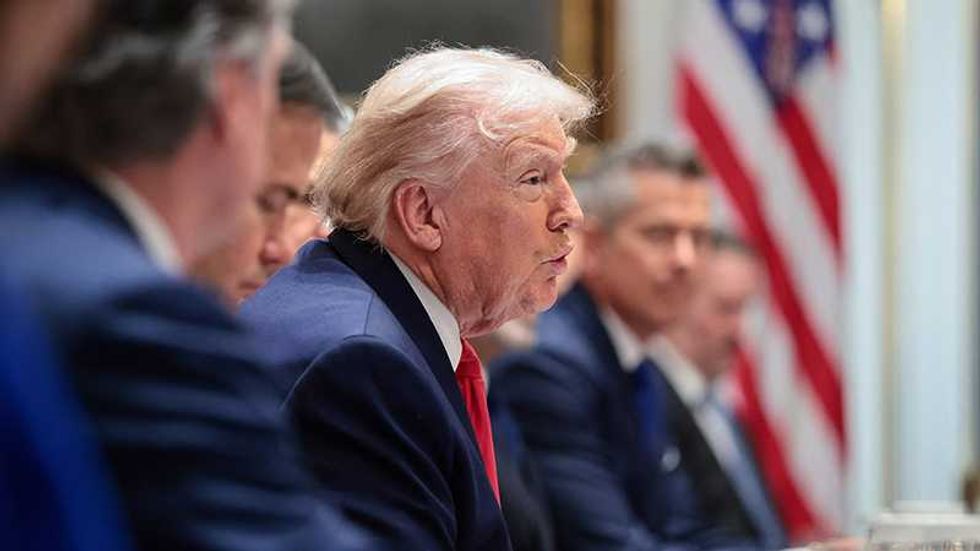
Washington wants a total rollback. The White House has made it clear that continued integration with North American supply chains depends on Mexico implementing rigorous screening mechanisms against Chinese capital and tightening customs enforcement on transshipped cargo.
Beijing’s Strategic Calculation
For Beijing, maintaining an open line to Mexico City is an absolute priority. Wang Yi's invitation to Velasco is not merely a courtesy call for a newly appointed diplomat; it represents a calculated effort to preserve a vital geopolitical bridgehead in America’s immediate backyard.
China understands that losing access to Mexican industrial parks means losing a primary route to circumvent Western trade restrictions. During their bilateral talks, Beijing will push to expand cooperative frameworks, deepen political trust, and secure physical infrastructure projects, such as Velasco's planned inauguration of a new Mexican consulate in Chongqing.
Every concession Beijing offers is designed to anchor Mexican industry more deeply to Chinese supply networks. They are trading on the promise of infrastructure financing and technological transfer precisely at a moment when Mexico needs massive capital injections to modernize its domestic grid and logistics networks.
The Cost of Compliance
Mexico cannot simply sever its economic ties with Asia to appease Washington without inviting domestic economic chaos. Modern Mexican manufacturing ecosystems rely heavily on raw materials and intermediate goods sourced from Asian markets.
If Mexico abruptly complies with American ultimatums to purge Chinese investment and components, domestic assembly lines will face immediate bottlenecks, soaring operational costs, and catastrophic job losses. The political fallout inside Mexico would be immediate and severe.
Conversely, defying Washington carries an equally heavy price tag. The upcoming review cycles for regional trade agreements leave Mexico deeply vulnerable to American punitive tariffs, border slowdowns, and financial market retaliation. A trade war with its northern neighbor would devastate the Mexican peso and cripple export-driven growth.
Navigating the Tightrope
Diplomacy of this caliber rarely yields immediate, dramatic breakthroughs. Communiques issued from high-level ministerial meetings in Beijing will likely emphasize mutual respect, historical partnership, and steady commercial growth, masking the intense arm-wrestling occurring behind closed doors.
Velasco must walk a razor-thin line. He has to project enough sovereign independence to satisfy domestic critics of American imperialism while quietly offering enough regulatory assurances to keep Washington from pulling the trigger on punitive trade sanctions.
The real outcomes of this summit will not appear in press releases. They will surface quietly in the coming months through subtle shifts in customs enforcement at Mexican ports, unexpected delays in Chinese industrial acquisitions, and the precise wording of upcoming North American trade compliance reviews.
The walls are closing in on Mexico’s balancing act, and the margin for diplomatic error has vanished entirely.