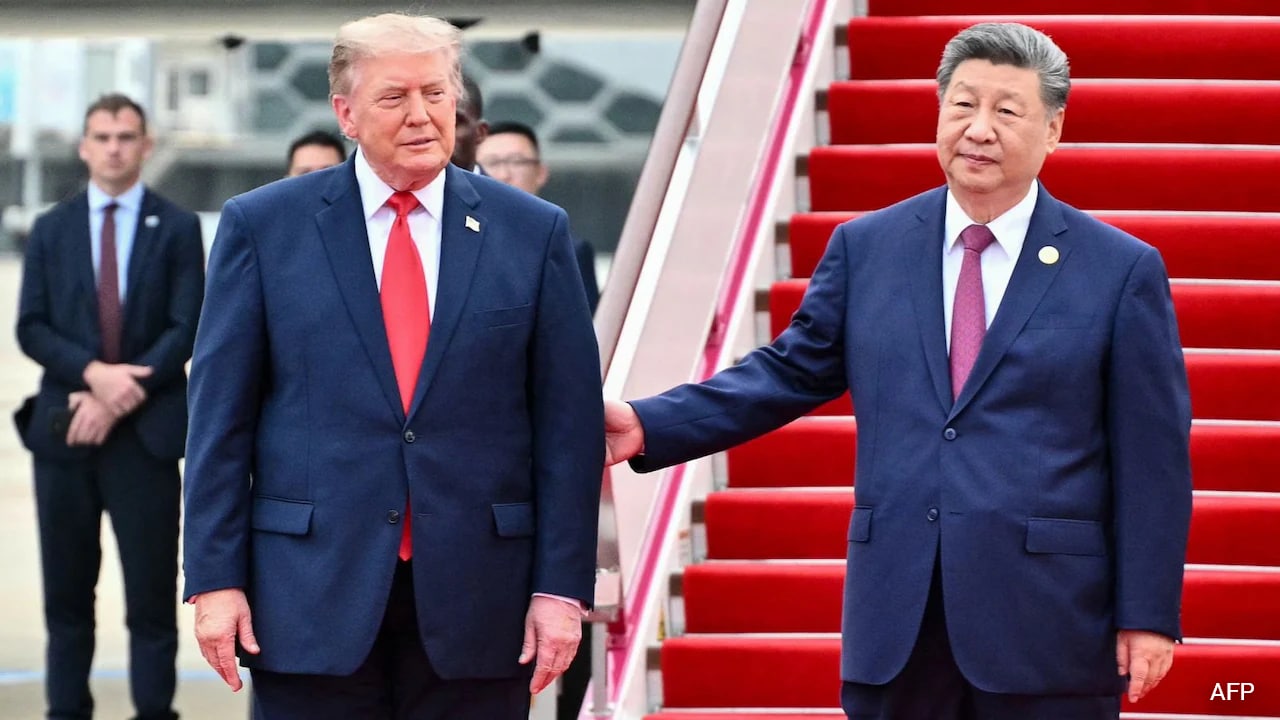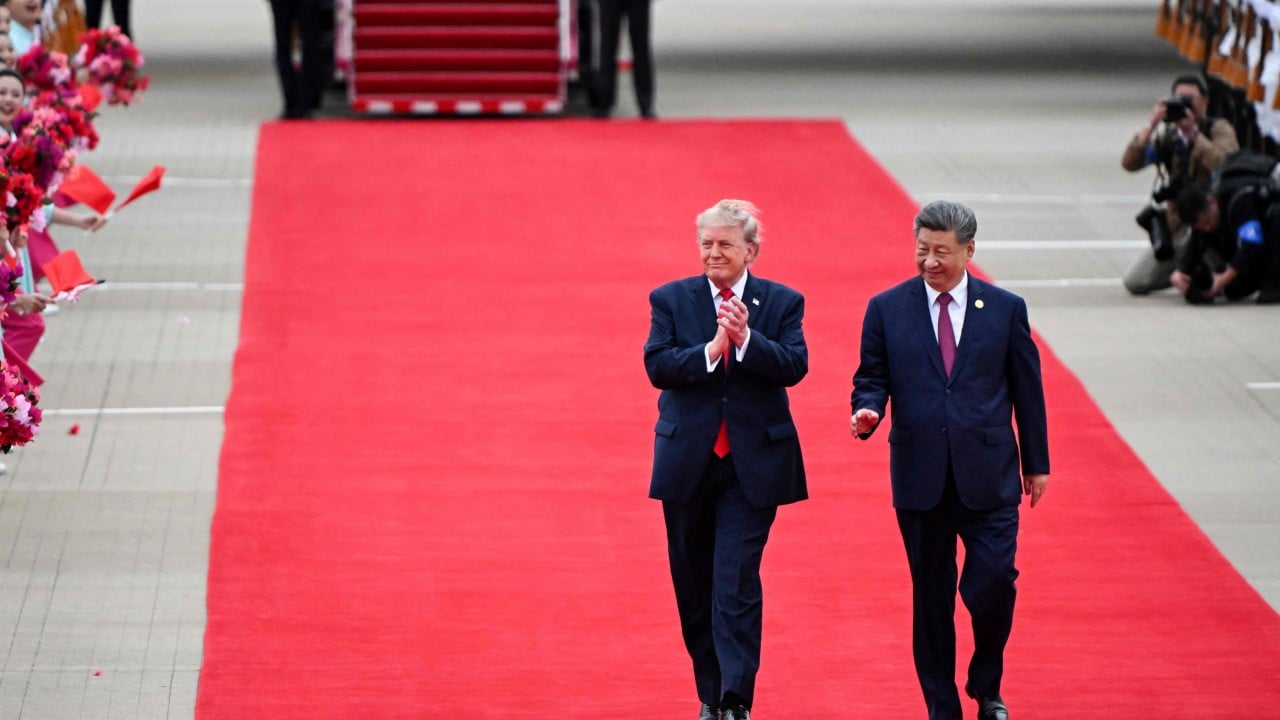
Diplomatic choreography at multilateral summits functions as a high-stakes pricing mechanism for geopolitical risk, and the November 2026 Asia-Pacific Economic Cooperation (APEC) Leaders' Meeting in Shenzhen demonstrates how physical theater masks structural economic friction. While surface-level media coverage focuses on interpersonal warmth—such as unscripted embraces between rival heads of state—and kinetic military displays like aerial flyovers, these events operate as deliberate signals within a broader strategic bargaining game. To understand the actual output of the Shenzhen summit, observers must separate symbolic de-escalation from binding institutional commitments, analyzing how host-nation selection, dual-use kinetic signaling, and supply chain interdependence dictate the true boundaries of regional cooperation.
The Architecture of Diplomatic Signaling
In international relations theory, particularly within James Fearon’s framework of costly signaling, leaders use public gestures to communicate resolve or willingness to cooperate without immediately surrendering policy leverage. At the Shenzhen APEC forum, two seemingly contradictory signals—an unexpected personal embrace between senior geopolitical rivals and a synchronized military flyover—serve distinct audiences and operational purposes.
Interpersonal Warmth as Tactical De-escalation
A rare physical embrace between leaders locked in structural competition is rarely spontaneous; it is a calibrated release valve designed to lower immediate market anxiety and establish a baseline for bilateral working groups.
- Audience Segmentation: The gesture targets domestic business lobbies and multinational capital allocators who require visual confirmation that diplomatic communication channels remain open, thereby reducing the immediate risk premium on cross-border trade.
- Low-Cost Concessions: Unlike tariff reductions, export control waivers, or mutual recognition agreements, interpersonal warmth carries zero legal or material cost. It alters the atmospheric conditions of the summit without obligating either state to modify its industrial policy.
- Asymmetric Leverage: By extending a visible gesture of goodwill on home turf, the host nation frames itself as the primary guarantor of regional stability, shifting the reputational burden of any subsequent breakdown onto the visiting delegation.
Kinetic Displays and Deterrence Theory
Simultaneous with messages of economic openness, a roaring aerial flyover over the summit venue introduces an explicit deterrence variable into the diplomatic equation. In classic coercive diplomacy, the projection of hard power alongside economic engagement establishes the upper and lower bounds of negotiation.
The mechanism relies on dual-channel messaging. The flyover demonstrates technological sovereignty, aerospace manufacturing capability, and military readiness to both domestic constituents and foreign intelligence apparatuses. Rather than contradicting the economic theme of APEC, the display reinforces the host nation's negotiating posture: economic integration is offered from a position of structural strength, not vulnerability. When a state showcases indigenous aviation or propulsion systems directly above a trade summit, it implicitly links commercial market access to security compliance.
Shenzhen as a Strategic Venue Selection
Choosing Shenzhen to host APEC 2026 is an exercise in spatial economics and industrial branding. Historically, APEC venues have ranged from resort islands designed to isolate leaders from public pressure to legacy financial capitals. Placing the summit in Shenzhen—the epicenter of China’s hardware manufacturing, telecommunications, and electric vehicle ecosystems—alters the structural focus of the meetings.
- From Tariff Reduction to Standards Setting: Traditional APEC summits focused on lowering border tariffs and streamlining customs procedures. Shenzhen shifts the physical and policy center of gravity toward the governance of emerging technologies, including artificial intelligence hardware, battery supply chains, and digital trade infrastructure.
- The Demonstration Effect: Hosting delegates inside a hyper-dense, vertically integrated manufacturing hub serves as a live industrial audit. Foreign policymakers and corporate executives are forced to confront the scale and speed of the host's domestic supply chains firsthand, complicating external efforts to advocate for rapid supply chain decoupling.
- Sub-National Diplomacy: Shenzhen’s municipal governance model operates with high administrative autonomy regarding foreign direct investment and pilot regulatory zones. Situating the forum here allows the host government to offer localized commercial incentives and sector-specific regulatory sandboxes even when national-level macro agreements remain deadlocked.
Historic Firsts Versus Institutional Inertia
Media narratives surrounding multilateral summits routinely emphasize "historic firsts"—whether in protocol, attendance, or joint declarations. Evaluating the material impact of these milestones requires distinguishing between procedural novelty and binding economic architecture.
The Mechanics of APEC Consensus
APEC operates on the principle of non-binding commitments and consensus-based decision-making, often referred to as the "APEC Way." Because the forum includes economies with radically divergent political systems and developmental stages—ranging from the United States and Japan to China, Russia, and Southeast Asian manufacturing hubs—any formal declaration must pass through a strict filter of lowest-common-denominator phrasing.
Consequently, a "historic first" at APEC rarely takes the form of an enforceable treaty. Instead, structural breakthroughs occur through three secondary mechanisms:
- Plurilateral Pathfinders: When full consensus across all 21 member economies proves impossible, subsets of members launch targeted initiatives—such as cross-border privacy rules or green shipping corridors—that establish de facto regional standards.
- Bilateral Sideline Deals: The primary utility of the APEC summit lies not in the plenary sessions, but in the compressed schedule of bilateral meetings held in adjacent conference rooms. A breakthrough announced during the summit is typically the culmination of months of technical negotiations conducted by trade ministries prior to the leaders' arrival.
- Private Sector Integration: Through the APEC Business Advisory Council (ABAC), multinational corporations directly shape the technical annexes of summit communiqués. Historic firsts in Shenzhen are most likely to materialize in technical harmonization—such as mutual recognition of digital trade credentials or standardized carbon accounting metrics—rather than grand geopolitical reconciliations.
The Structural Limits of Summit Diplomacy
Relying on high-visibility summits to resolve deep-seated economic and security rivalries introduces severe analytical blind spots. Policymakers and corporate strategists must account for the inherent limitations of the Shenzhen framework.
First, atmospheric improvements do not alter underlying macroeconomic imbalances. Overcapacity in domestic manufacturing sectors, state-backed industrial subsidies, and national security restrictions on dual-use semiconductors are driven by structural domestic imperatives. A cordial summit in Shenzhen cannot reverse industrial policies that major powers view as existential to their long-term economic survival.
Second, non-binding agreements suffer from high implementation decay. Without dispute settlement mechanisms or enforcement penalties—tools notably absent from APEC’s institutional design—commitments made in November frequently stall when subjected to domestic legislative scrutiny or regulatory agencies in the following fiscal year.
Third, the juxtaposition of cooperative trade rhetoric and military flyovers creates a volatile signaling environment. Misinterpretation of intent remains a persistent hazard when states simultaneously pursue economic integration and military modernization. If domestic political pressures force either party to retreat from summit pledges, the resulting market correction is often sharper than if no diplomatic breakthrough had been signaled at all.
Operational Protocol for Geopolitical Risk Assessment
Corporate leaders, institutional investors, and policy analysts evaluating the outcomes of the Shenzhen APEC summit must strip away visual theater and apply a strict verification filter to all official outputs.
- Audit the Annexes, Ignore the Communiqué: Disregard broad statements regarding "shared prosperity" or "regional stability." Focus exclusively on technical working group annexes detailing customs digitization, cross-border data flow exemptions, and tariff classification alignments.
- Track Capital Expenditure, Not Handshakes: Measure the real-world impact of bilateral de-escalation by monitoring export license approval rates and foreign direct investment flows over the two quarters following the summit. Diplomatic warmth that fails to accelerate regulatory approvals is functionally irrelevant to corporate supply chains.
- Maintain Redundant Supply Nodes: Treat any tariff pauses or trade facilitation pilot programs emerging from Shenzhen as temporary tactical windows rather than permanent structural shifts. Capital allocation strategies must remain hedged against abrupt regulatory reversals, utilizing dual-sourcing architectures across Southeast Asia and North America regardless of the diplomatic optics displayed in southern China.