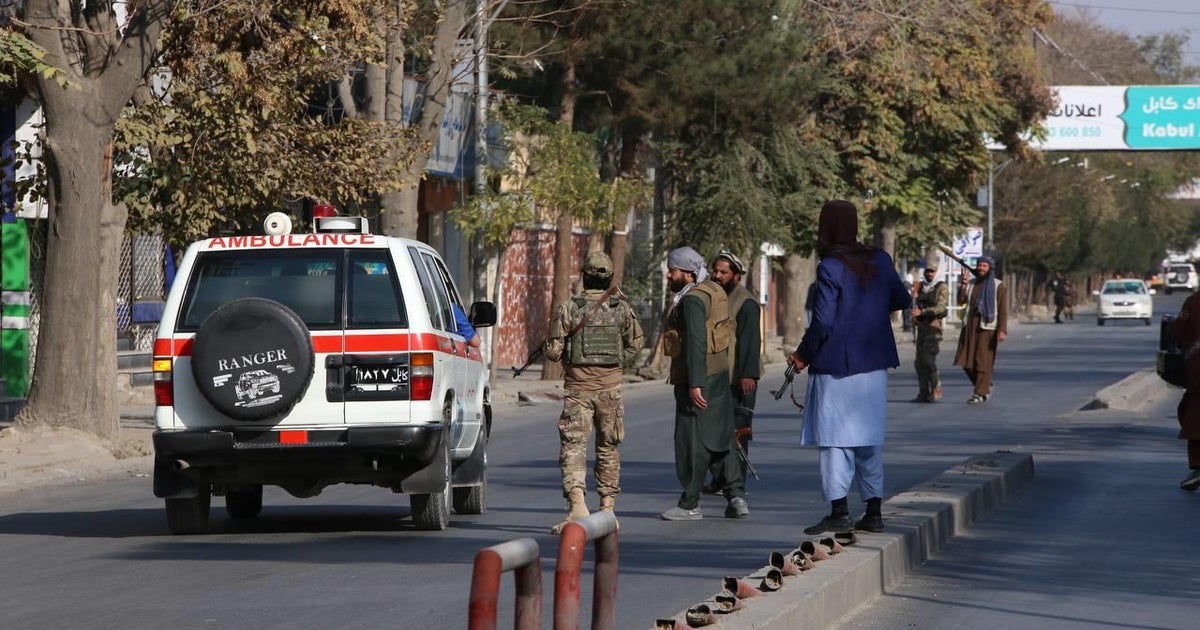
The escalation of kinetic operations along the Durand Line demonstrates a breakdown in the traditional "strategic depth" doctrine that has governed Pakistan-Afghanistan relations for decades. When the Taliban administration in Kabul reports that a Pakistani airstrike targeted a hospital—allegedly resulting in 400 casualties—while Islamabad issues a categorical rejection of the event, the primary conflict is not merely the physical strike. The actual battleground is the management of the Information Asymmetry Gap.
In high-stakes border conflicts, the truth of a kinetic event often matters less than the speed and structural integrity of the narrative deployed immediately following the flashpoint. This specific incident highlights a transition from covert support to overt friction, where the utility of a non-state actor as a proxy has reached its diminishing returns.
The Triangulation of Kinetic Veracity
Determining the reality of a strike of this magnitude requires filtering the event through three distinct analytical layers: physical evidence, logistical feasibility, and political utility.
Physical Evidence and Blast Radius Metrics
A casualty count of 400 within a single facility implies the use of high-yield ordnance or a sustained multi-platform bombardment. Standard precision-guided munitions (PGMs) used in counter-terrorism operations typically lack the blast radius to generate such numbers unless they trigger secondary explosions, such as an adjacent munitions cache or fuel depot. If the hospital remained structurally intact, the Afghan claim loses technical credibility. If the site is leveled, the absence of satellite imagery confirmation from third-party monitoring agencies creates a logical bottleneck for the Kabul narrative.Logistical Feasibility of the Strike
For Pakistan to execute a strike of this scale in Kabul—the most heavily defended airspace in Afghanistan—it would require a significant penetration of sovereign territory. This involves either a deep-penetration flight by fixed-wing assets (such as the JF-17 or F-16) or the use of stand-off weapons. A flight path to Kabul is not a "border skirmish"; it is a formal act of war. The lack of activated air defense responses from the Taliban suggests either a complete failure of their radar capabilities or that the scale of the "airstrike" has been hyper-inflated for diplomatic leverage.The Utility of Deniability
Pakistan’s rejection of the claim serves a dual purpose. It avoids the international legal ramifications of targeting a civilian medical facility—a clear violation of the Geneva Conventions—while maintaining a "grey zone" posture. By denying the event, Islamabad forces the burden of proof onto an administration that lacks the sophisticated forensic and media infrastructure to provide undeniable evidence to the UN or the international community.
The Cost Function of Proxy Misalignment
The tension between Islamabad and the Taliban is the result of a miscalculated cost function regarding the Tehrik-i-Taliban Pakistan (TTP). Historically, Pakistan viewed a Taliban-led Afghanistan as a secure western flank. However, the current "Security-Autonomy Tradeoff" has failed.
The Security-Autonomy Tradeoff
- The Pakistani Expectation: Provide diplomatic cover for the Taliban in exchange for the neutralization of TTP sanctuaries.
- The Taliban Reality: The Taliban cannot move against the TTP without risking internal fragmentation, as many TTP fighters share ideological and tribal bonds with the Kabul leadership.
- The Resulting Friction: Pakistan perceives a "sunk cost" in its previous support, leading to a shift toward punitive kinetic actions to force compliance.
This shift creates a Security Dilemma. When Pakistan conducts strikes (real or perceived) to degrade TTP capabilities, it undermines the Taliban’s claim to sovereign control. The Taliban, in turn, must amplify the perceived "atrocity" of these strikes to consolidate domestic support and paint Pakistan as an aggressor rather than a benefactor. The "400 killed" figure functions as a psychological deterrent designed to make the political cost of future Pakistani incursions prohibitively high.
Structural Incentives for Disinformation
In the absence of independent journalism and international observers on the ground in Kabul, both parties operate within an "Evidence Vacuum." This allows for the weaponization of casualty figures.
Inflationary Narrative Mechanics
The Taliban’s use of the number 400 is statistically significant. It moves the event from a "counter-terror strike" to a "mass casualty event" on par with major historical war crimes. This is a deliberate attempt to trigger international condemnation and potentially secure humanitarian or diplomatic concessions. By framing the incident as a strike on a hospital, they tap into the highest tier of international protection under International Humanitarian Law (IHL).
Defensive Narrative Mechanics
Pakistan’s categorical rejection is a standard "Zero-Sum Denial." By not acknowledging even a minor operation, they prevent the "Slippery Slope" of accountability. If they admitted to a targeted strike on a TTP leader that accidentally hit a hospital, they would be liable for reparations and sanctions. By denying it entirely, they maintain the status quo of "unattributed border friction."
The Geopolitical Bottleneck
The escalation of this rhetoric signifies that the bilateral relationship has moved past the point of diplomatic mediation. The bottleneck is the Durand Line. Kabul does not recognize the border; Islamabad treats it as an absolute sovereign boundary.
Every kinetic action in this region is filtered through this dispute. If Pakistan strikes across the line, it is asserting the border's legitimacy. If the Taliban claims civilian slaughter, they are asserting that Pakistani "aggression" is a violation of an occupied space.
Mechanism of Future Escalation
We can hypothesize the trajectory of this conflict by observing the "Escalation Ladder."
- Rhetorical Inflation: (Current Phase) Use of extreme casualty claims and denials to test international reaction.
- Economic Chokepoints: Closure of the Torkham and Chaman border crossings, which Pakistan uses to exert immediate pressure on the Afghan economy.
- Cross-Border Artillery Duels: A transition from "deniable" airstrikes to "admitted" ground-based shelling, signaling a loss of interest in plausible deniability.
- Sovereign Encroachment: The establishment of permanent buffer zones within Afghan territory.
The current claim regarding the Kabul hospital strike is a signal that the Rhetorical Inflation phase has reached its peak. The Taliban are attempting to "out-shame" Pakistan on the global stage, while Pakistan is signaling that it no longer fears the diplomatic fallout of being accused of such actions.
Strategic Realignment Requirements
For any stabilization to occur, the "Information Asymmetry" must be closed. This requires the introduction of a third-party verification mechanism, likely through regional powers like China or Qatar, who have vested interests in preventing a total collapse of the Kabul-Islamabad axis.
However, the structural reality suggests that as long as the TTP operates with relative impunity in the Afghan borderlands, Pakistan will continue to utilize its air superiority. The Taliban will continue to use "Atrocity Propaganda" as their only viable counter-measure against a militarily superior neighbor.
The strategic play for external observers is to discount the raw numbers provided by both ministries and instead monitor the deployment of heavy hardware toward the border. If Pakistan begins moving S-400 or equivalent air defense batteries toward the western front, or if the Taliban begins a mass mobilization of former ANA (Afghan National Army) heavy armor toward the Durand Line, the conflict has moved from a war of words to a preparation for sustained conventional engagement.
The immediate tactical priority for the region is the establishment of a Joint Border Commission with satellite-linked verification. Without a shared factual baseline, the "400 dead" will remain a phantom metric—powerful enough to start a war, but too unsubstantiated to end one.