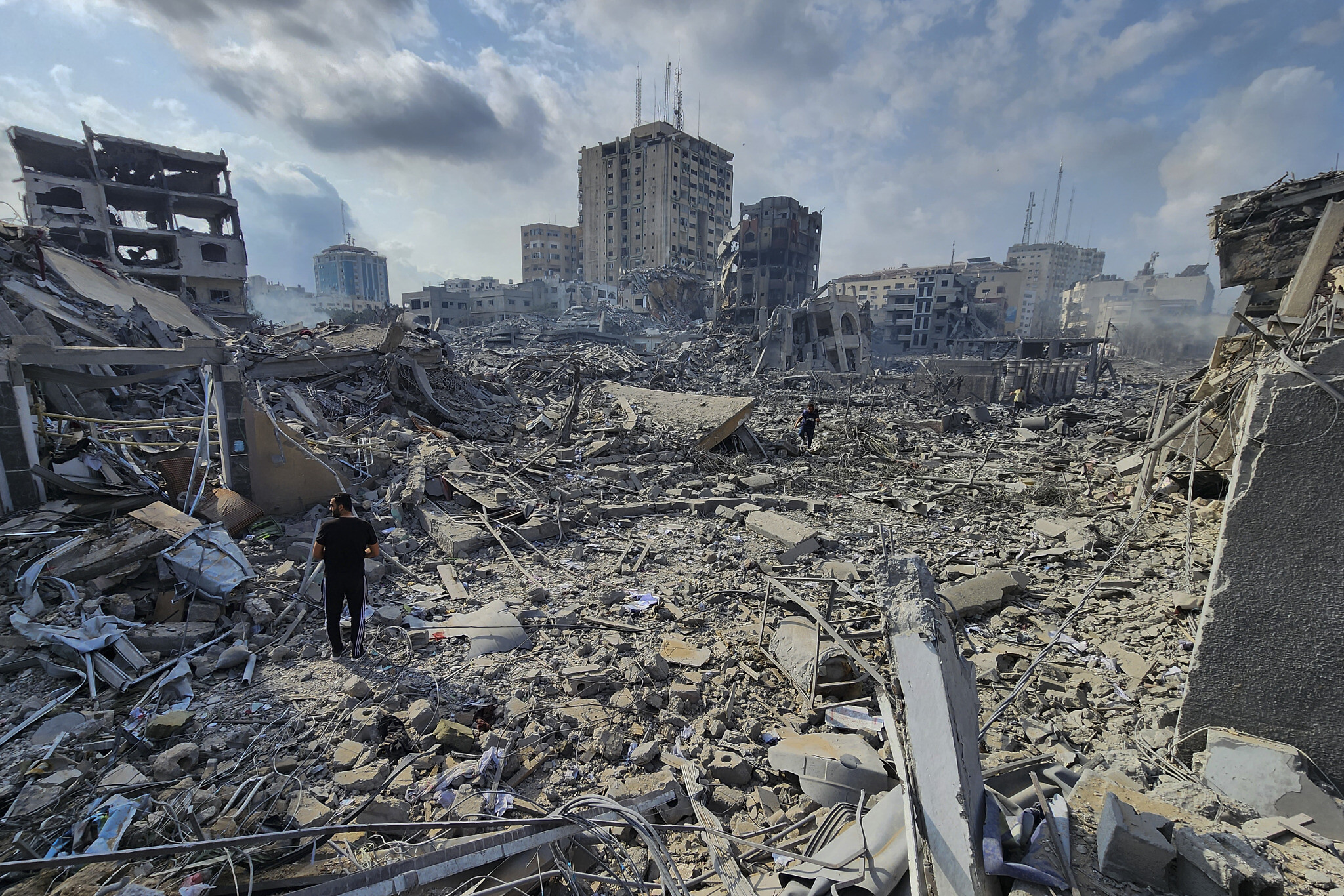
The Supply Shock Blueprint
Halting commercial shipments into Gaza does more than empty market stalls; it exposes a two-channel food economy where aid cannot substitute for retail trade, turning border closures into immediate price shocks. Standard news coverage of food affordability crises rarely separates real physical scarcity from expectation-driven repricing, and it often treats household income collapse as background noise rather than the binding constraint on survival.
To understand what happens when commercial goods stop crossing into Gaza, four analytical mechanisms must be tracked together:
- Channel Asymmetry: Humanitarian aid and commercial imports serve different nutritional and logistical functions, so a halt in commercial trade strips out fresh and perishable calories even when some aid flows continue.
- The Price Formation Function: Retail prices move ahead of physical depletion when traders price in closure duration, when per-truck fees or disputes alter landing costs, and when buyers race for shrinking stocks.
- The Affordability Squeeze: High unemployment and minimal cash reserves mean price spikes immediately ration food by income and force households to shrink portion sizes or skip meals.
- The Storage Constraint: Perishability and unreliable electricity cap how much food households or merchants can hoard, converting panic buying into rapid spoilage rather than durable buffer stock.
Known Facts Versus Analytical Hypotheses
Separating verified reporting from analytical inference keeps risk assessment grounded. Known facts from reporting around the mid-October 2026 commercial goods halt include that commercial shipments were suspended amid competing accounts over local fees and border restrictions, that residents reported sharp price increases on staples such as flour, eggs, meat, and vegetables, and that aid agencies flagged severe food insecurity and shrinking humanitarian rations alongside high unemployment.
Other elements remain analytical hypotheses that require ongoing verification rather than certainty. It is an educated hypothesis—not a proven universal law across every vendor—that anticipatory markups account for a large share of initial day-one price jumps whenever rumors of a prolonged border closure spread. It is also a structural hypothesis that removing commercial supply disproportionately harms middle-tier dietary diversity (such as eggs, fruit, and meat) first, while cashless households face immediate calorie rationing regardless of whether luxury or semi-perishable goods sit on shelves.
Deconstructing Standard Coverage
Conventional reporting on commercial import halts usually captures the human toll and surface price complaints while leaving causal chains implicit. A typical account notes that crossings closed, traders raised prices, families tried to stock up or cut back, and aid was insufficient. That narrative structure leaves three analytical gaps that obscure how the market actually fails.
Three Analytical Blind Spots
- Conflating Physical Stockouts with Price Rationing: Prices can jump sharply days before shelves go bare because scarcity in a cash-constrained market operates through price rationing and quantity reduction—such as buying a few eggs instead of a full tray—rather than uniform queues alone.
- Treating Aid and Commerce as Interchangeable: Humanitarian distributions typically focus on shelf-stable staples and rationed calories, whereas commercial importers historically supplied fresh produce, dairy, eggs, and meat. When commercial entry stops, dietary quality deteriorates even if baseline relief pipelines stay open.
- Ignoring Perishability Limits on Precautionary Demand: Conventional stories often frame "stockpiling" as a simple split between people with cash and people without it. In practice, heat, spoilage, and unreliable power cap storage life for fresh vegetables and meat, meaning households cannot easily convert cash into multi-week perishable reserves.
Competing Accounts of the Halt
A rigorous analysis also accounts for conflicting explanations of why commercial shipments stop. In mid-October 2026, Israeli authorities and local Palestinian officials or trade representatives gave conflicting accounts of the suspension and the role of fees or taxes on trucks entering Gaza. Regardless of which political or administrative actor triggered the immediate stoppage, the economic transmission mechanism inside Gaza operates the same way: supply elasticity drops to near zero at the border while local demand for staples remains inelastic.
The Two-Channel Food Economy
Gaza's food supply relies on two distinct logistical channels—humanitarian aid deliveries and private commercial imports—operating under severe border, security, and infrastructure constraints. When one channel is halted, the system loses both volume and variety.
Consider a household trying to plan meals over a two-week window. Aid parcels or community kitchens may supply basic dry staples or periodic hot meals, though rations can be irregular or insufficient to cover an entire month. Commercial markets traditionally filled the gap with fresh vegetables, eggs, cooking oil, flour, and meat. Once commercial trucks stop arriving, remaining trader inventories become a closed pool that must stretch across an uncertain number of days.
Why Humanitarian Aid Cannot Fully Offset a Commercial Freeze
Humanitarian operations face structural ceilings that prevent them from acting as a one-for-one replacement for commercial trade:
- Funding and Pipeline Constraints: Aid agencies operate against funding shortfalls, fluctuating border throughput, and security bottlenecks that limit how quickly relief volumes can scale up.
- Assortment Mismatch: Relief pipelines prioritize high-calorie, easily transportable staples rather than fresh produce, eggs, or chilled proteins, leaving nutritional gaps when commercial markets close.
- Distribution Friction: Aid allocations and community kitchens face capacity limits and coverage gaps, leaving households to rely on cash markets whenever rations run short or arrive late.
Price Formation and Household Rationing
When commercial goods halt, food affordability deteriorates through a sequence of market and household adjustments rather than a single static price jump. In economic terms, short-run food demand is price-inelastic—people still need calories every day—while short-run import supply becomes highly constrained the moment crossings close.
The Price Formation Mechanism
Prices in a restricted market respond to three interacting forces:
- Replacement Cost and Fee Risk: When merchants face uncertainty over whether they can restock, or when disputes over per-truck charges or border approvals threaten margins, sellers raise prices to protect against higher replacement costs or prolonged downtime.
- Expectation of Closure Duration: Rumors or confirmations that crossings may remain closed for days or weeks shift trader expectations immediately, prompting upward repricing before existing warehouse stock is exhausted.
- Thin-Market Volatility: As available quantities shrink, small transactions carry outsized price signals, producing wide price dispersion across neighborhoods and rapid jumps on staples like flour and eggs.
How Households Adjust Under Income Collapse
Price spikes hit hardest where purchasing power is already hollowed out by prolonged conflict, displacement, and mass unemployment. Without steady wages or savings, households cannot bid up prices to secure supply.
Instead, families move down a predictable coping ladder:
- Quantity Downsizing: Buyers purchase smaller units—such as a few eggs instead of a full tray or smaller portions of staples—to stretch limited cash.
- Substitution Toward Cheaper Calories: Households drop higher-cost items like meat, fruit, and eggs and concentrate spending on basic grains, legumes, or bread when available.
- Meal Omission: When cash runs out and aid rations fall short, families reduce meal frequency, skipping breakfast or dinner or relying on a single main meal.
The Storage and Spoilage Ceiling
A common assumption is that families or traders with cash can simply buy extra food early and wait out a border closure. Physical conditions impose a hard ceiling on that strategy. Fresh vegetables deteriorate within days, and unreliable electricity limits safe cold storage for meat and dairy. Even when buyers have liquidity, perishable goods cannot be stored indefinitely, which limits effective buffer stock to shelf-stable items and turns excess demand for fresh goods into waste or rapid price spikes.
Operational Playbook for Analysts and Relief Planners
Monitoring food affordability during a commercial goods halt requires tracking market signals alongside humanitarian metrics so decision-makers see deterioration early rather than after acute hunger spikes.
Step-by-Step Monitoring and Response Logic
- Separate Staple Prices from Perishable Prices: Track basic calorie staples (such as flour, rice, lentils, and oil) separately from fresh and animal-source foods (such as eggs, vegetables, and meat) to distinguish basic calorie stress from broader dietary collapse.
- Monitor Crossings Status and Fee Disputes Daily: Pair border closure days with reporting on merchant-authority disputes or per-truck charges, since administrative friction often precedes or accompanies restocking freezes.
- Cross-Check Market Prices Against Cash and Ration Coverage: Evaluate price changes against household income levels, voucher or cash assistance value, and ration duration—a moderate price rise is far more damaging when cash incomes are near zero and aid rations fall short of a full month.
- Target Assistance to Non-Storers First: Prioritize cash, vouchers, or hot-meal support for households without savings or reliable storage capacity, who cannot absorb multi-day price spikes or buy in bulk.
Limits of Market and Aid Interventions
No single policy or operational lever resolves food affordability during an active commercial blockade. Reopening commercial crossings without restoring household purchasing power leaves cashless families priced out of the market. Conversely, expanding food aid without commercial supply leaves gaps in dietary variety and strains logistics when funding or border access fluctuates. Cash and voucher programs also lose effectiveness if local supply is severely restricted and traders pass through high markups, turning extra cash into higher prices rather than more food.
Strategic Action
For humanitarian coordinators, donors, and policy analysts assessing food security during commercial import halts, the decisive operational move is to pair predictable, rules-based commercial entry corridors with targeted calorie and cash buffers calibrated to actual staple prices, rather than treating aid deliveries and commercial trade as competing tracks. Restoring steady commercial flow lowers scarcity premiums and brings back perishable nutrition, while indexed relief protects households whose incomes cannot compete in an inflationary market—and without both working in tandem, every border closure will continue to convert supply friction into immediate household deprivation.
Gaza commercial goods halt and food prices
This short video highlights the immediate halt of commercial shipments into Gaza and the resulting concerns over food availability and rising prices.

