Agreements signed in quiet rooms don't stop bullets on the ground. When international diplomats announced a pause in hostilities for the Gaza Strip, many hoped the endless cycle of bombardment had finally found a hard stop. That hope didn't survive reality. Day after day, reports roll out of the enclave detailing fresh casualties, bombed-out tents, and targeted strikes that leave families burying their dead all over again.
The math of this ongoing conflict reveals an uncomfortable truth. A ceasefire isn't actually a ceasefire when military operations continue with near-daily regularity. According to tracking by local health authorities and independent monitors, thousands of violations have accumulated since the truce was officially brokered. Seven more lives snuffed out in a single morning doesn't make global front-page news anymore; it registers as just another grim entry in an escalating ledger of attrition.
The Reality Behind the Broken Truce
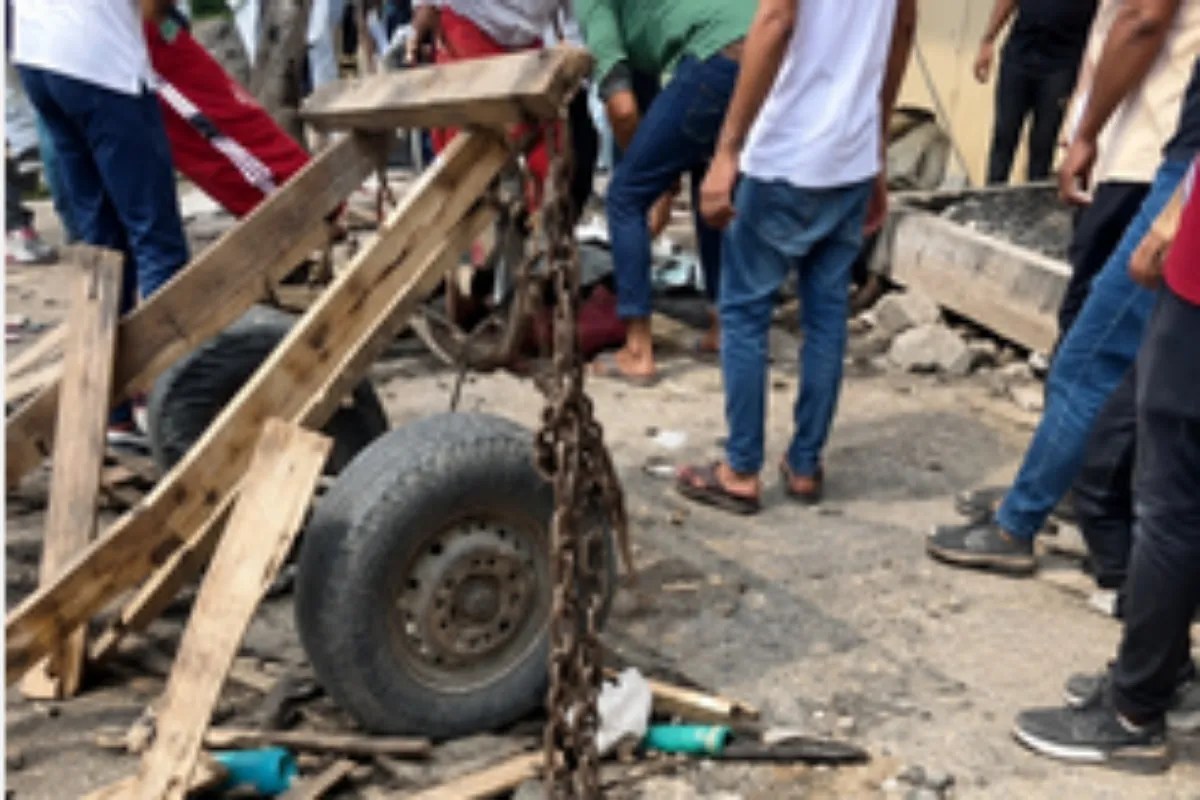
When a truce gets signed, the assumption is that safety follows. Instead, civilians across the strip find themselves navigating a heavily restricted landscape where danger comes from unpredictable directions. Drones hum overhead, artillery shells land near crowded displacement camps, and basic survival tasks like gathering water turn fatal.
The structural mechanics of these violations point to a deeper policy failure. Military commands continue to authorize strikes under the banner of security operations or targeted eliminations, while local civil defense teams dig through rubble with bare hands because heavy machinery remains blocked or destroyed. Hospitals operate under severe strain, patching up victims of fresh bombardments while lacking basic medical supplies and fuel.
People want simple answers to complicated geopolitical tragedies. They ask why agreements hold in theory but collapse in practice. The answer lies in enforcement mechanisms that possess zero teeth. When monitoring bodies issue statements condemning breaches without imposing tangible consequences, the violence simply adapts to the new normal.
What the Numbers Actually Tell Us
Statistics from the ground paint an unvarnished picture of how fragile these diplomatic arrangements truly are. Since the agreement took effect, thousands of recorded violations have piled up, pushing the total Palestinian death toll well past previous milestones.
- Over 1,600 fatalities recorded by health ministries since the truce began.
- Thousands injured requiring specialized care that local medical facilities cannot consistently provide.
- Daily operational strikes continuing across northern, central, and southern zones despite political assurances.
These aren't abstract data points. They represent fathers, mothers, and children caught in a zone where international law bends to military convenience. Humanitarian aid trucks trickle in at fractions of the required volume, creating man-made shortages of food, clean water, and medicine that compound the trauma of active shelling.
Where Diplomacy Fails the People on the Ground
International players keep calling for restraint, yet arms transfers and diplomatic cover continue largely uninterrupted. That massive contradiction fuels skepticism on the streets of Gaza and across the wider region. You cannot fund and shield a military campaign while simultaneously urging peace and expecting civilian populations to take those appeals seriously.
Local communities have stopped waiting for outside saviors. Neighborhood committees organize their own recovery efforts, digging through collapsed concrete to find missing loved ones. Schools try to resume classes in bombed-out shells of buildings, and families patch together makeshift tents from scraps of plastic and cloth. Resilience here looks less like inspiration and more like pure exhaustion.
The term "ceasefire" has lost its meaning for anyone living through the daily reality of drone strikes and artillery fire. Until enforcement mechanisms carry real weight and political backing shifts from rhetoric to accountability, the violence will keep ticking upward, one deadly violation at a time.