The wind does not care about borders. It sweeps down from the jagged peaks of Balochistan, carrying grit across dry riverbeds, sliding effortlessly over barbed wire and concrete posts. It moves between nations as though the earth were whole.
People, however, are not the wind.
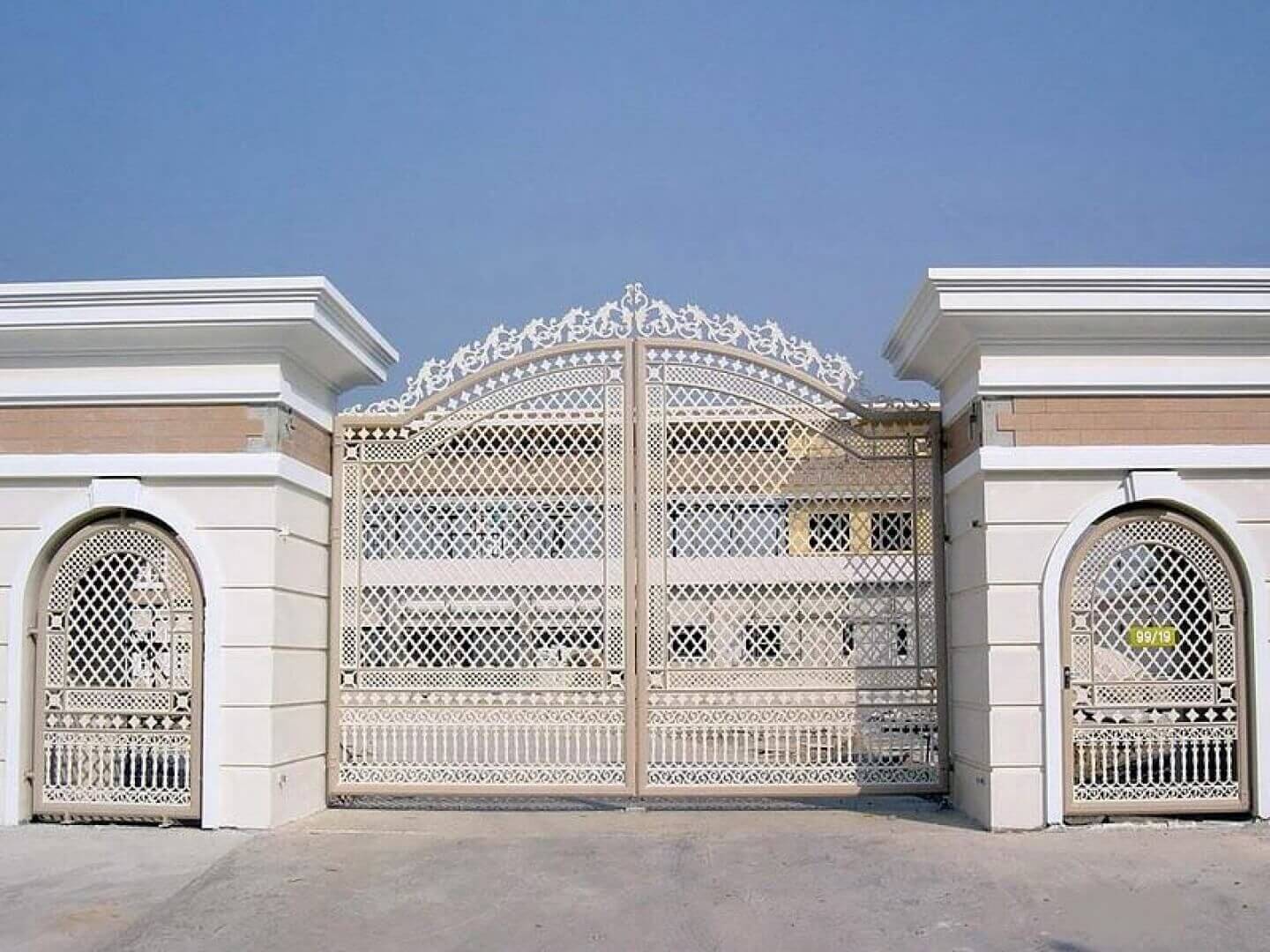
On a dusty morning near the crossing at Taftan, the heavy iron gate stopped rolling. It did not swing shut with cinematic drama. It groaned, a slow and heavy protest of rusted steel against track, driven by a mechanical winch and the urgent orders of men wearing uniforms burdened by sudden gravity. A chain went through the bars. A padlock clicked home.
Just like that, silence descended on a marketplace that had hummed for centuries.
To understand why a gate closes, you have to look beyond the maps in government offices in Islamabad or Tehran. Maps flatten the world into ink and color. They suggest that nations are divided by neat lines drawn with rulers. But on the ground, the border is a living skin. Families live on both sides. Cousins trade livestock. Merchants buy truckloads of Iranian fuel, hauling it across the desert in modified tanks to keep generators humming in Pakistani towns where electricity is a rare, unpredictable visitor.
For generations, this border was porous not out of lawlessness, but out of necessity. The desert does not yield enough crops to feed the people who call it home. Trade is breath. Trade is survival.
Then came the flashpoints.
Months ago, the air grew heavy with something sharper than dust. Cross-border skirmishes, militant hideouts, sudden missile strikes, and retaliatory fire tore open old scabs in a region already bruised by decades of geopolitical friction. When violence spills across a frontier, governments react with the only tool they truly trust: a wall. A restriction. A suspension.
Consider the merchant standing on the wrong side of that locked gate. Let us call him Malik. Malik owns a small warehouse packed with perishable dried fruit meant for markets across the provincial divide. On any other Tuesday, his trucks would idle in the queue, engines rumbling, drivers drinking sweet black tea from small glass cups while waiting for customs clearance.
Today, the trucks are parked in neat, agonizing rows. The drivers have turned off their ignitions. The silence is loud.
Malik does not care about geopolitical strategy meetings or diplomatic communiques. He cares about the ripening fruit in his crates, rotting under a relentless sun, and the loan he took out from a local lender to finance the shipment. When trade stops, the gears of everyday survival grind to a halt. The school fees do not wait. The medicine for an ailing mother does not pause its expiration date.
This is the hidden cost of state security. Every grand political decision has a human friction point.
Governments must protect their populations. That is the foundational contract of a nation-state. When security forces report threats gathering in the lawless stretches of the frontier, action is mandatory. Silence from leadership is interpreted as weakness. Insecurity breeds chaos. Yet, the remedy—closing the valve on commerce and movement—starves the very border communities that need economic stability to resist the pull of radicalism and smuggling networks.
It is a vicious cycle. Shutting the border to starve out violence often starves out peace at the same time.
Down the road, away from the official customs terminal, the desert hums with a quieter desperation. Smugglers know every dry wash, every goat track through the hills. When legal pathways close, illegal ones thrive. The suspension of official trade does not stop the movement of goods; it merely drives the trade underground, into the hands of criminal syndicates who charge exorbitant fees and operate in the shadows of the night.
Security officials know this. Local elders know this. It is an open secret of the frontier. Every container of fuel diverted through clandestine channels represents a failure of institutional integration, a symptom of a region caught between the security imperatives of distant capitals and the raw, unyielding demands of daily bread.
The sun begins to dip below the horizon, painting the desert in bruised shades of violet and amber. The dust settles against the base of the iron gate.
In Islamabad and Tehran, analysts pore over security briefs, calculating risks and signaling resolve. In the border towns, people wait. They look toward the mountains, listening for the wind, wondering how long a barrier can stand between neighbors before the weight of isolation becomes too heavy to bear.
The lock on the chain remains cold and heavy, reflecting the last orange rays of daylight, holding back a tide that refuses to disappear simply because someone turned the key.

