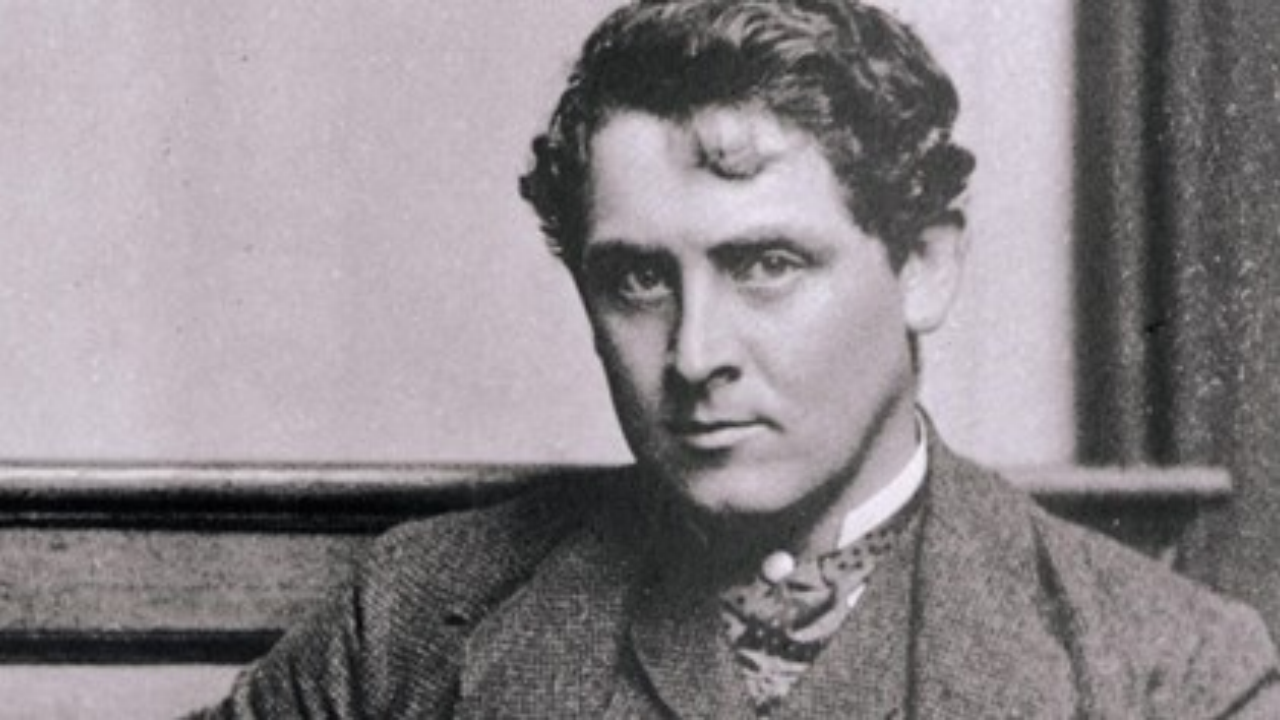
He wore the tail of a raccoon on his head and owned a generation’s imagination. On Saturday mornings across America, children stood in front of glowing vacuum-tube televisions, wearing plastic coonskin caps and shouting the chorus of a ballad that everyone knew by heart. Fess Parker was more than an actor. He was the frontier made flesh, a towering, six-foot-six embodiment of American myth.
Yet television studios fade. Costumes dry rot in prop warehouses. The roaring applause of 1950s living rooms inevitably gives way to the static of syndication. Most television icons chase that ghost until their mirrors break, trying to squeeze one more ounce of lightning from a bottle that shattered decades ago.
Fess Parker did something entirely different.
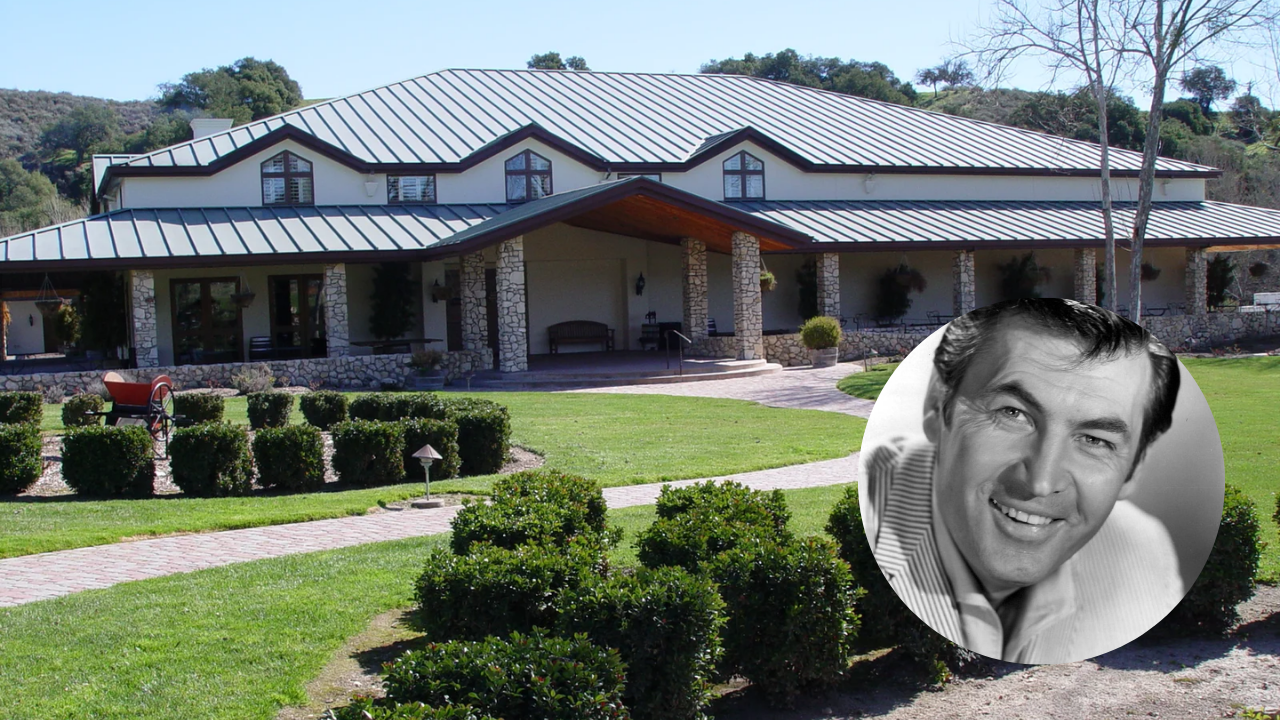
In 1988, he walked away from the endless hustle of Hollywood casting calls and drove out to the rolling, sun-baked earth of Santa Barbara County. He looked at seven hundred and fourteen acres of rugged California dirt and saw something that had nothing to do with cameras, scripts, or ratings. He saw a vineyard.
Consider what happens when a man who has spent his life playing an American pioneer decides to actually become one.
The Santa Ynez Valley in the late nineteen-eighties was not the pampered wine country of today, lined with luxury tasting rooms and boutique hotels charging a thousand dollars a night. It was an overlooked stretch of scrub oak, cattle grazing land, and stubborn soil. It was quiet. It was hot. It demanded patience from anyone foolish enough to try and coax life out of its rolling hills.
Parker did not buy the land to start a casual hobby. He bought it with the calculated, quiet determination of a man who understood that television fame is a fleeting shadow, but the earth remains. He planted grapes. Specifically, he planted Riesling and Chardonnay, gambling on a microclimate that most traditional agriculturalists viewed with profound skepticism.
The early years were defined by silence and sweat. There were no laugh tracks, no makeup artists, and no directors shouting cut when the vines refused to cooperate with the schedule. Agriculture is a humbling teacher. You can memorize all the lines you want, but the frost does not care about your Q-ratings.
Slowly, almost imperceptibly, the venture grew. What began as a solitary land acquisition evolved into a family-operated estate, expanding over the decades into a sprawling enterprise that now encompasses hundreds of acres of vineyards, a prominent winery, a luxury resort in Los Olivos, and a hospitality brand that anchors the local economy.
When you walk the property today, the ghosts of the frontier are everywhere, but they are not the theatrical kind. They are found in the gnarled wood of old vines that have survived decades of drought. They are found in the deep, quiet rhythm of harvest season, when local workers—some whose families have labored in these same valleys for generations—work the rows before dawn breaks over the Santa Ynez mountains.
There is a profound lesson in this transformation. The transition from Hollywood royalty to agrarian stewardship requires a specific kind of courage. It requires letting go of the need for immediate, flashing applause in exchange for a reward that takes years to mature. A grape vine planted in 1988 requires patience before it yields a bottle worth pouring. It is an act of faith in the future.
Fess Parker passed away in 2010, but the roots he sank into that California soil run deeper than any television legacy ever could. His children and grandchildren now manage the sprawling estate, ensuring that the brand remains a family affair. They didn't just inherit a business; they inherited a philosophy of endurance.
In a modern culture obsessed with overnight success, viral metrics, and instant digital validation, the story of that 1988 ranch purchase feels almost radical. It reminds us that the most enduring achievements are often the ones cultivated quietly, away from the spotlight, in the dirt.
The coonskin cap is long gone, tucked away in a museum case or a dusty attic trunk. But out on the hills of the Santa Ynez Valley, the vines are heavy with fruit, drinking in the California sun, whispering a story about a pioneer who finally found a frontier worth keeping.