How a Leafy Green Parasite Exposed Structural Supply Chain Gaps
Food safety crises follow a predictable script: an outbreak occurs, corporate leaders issue apologies, products vanish from shelves, and sales take a nosedive. But when thousands of people get sick from leafy greens, the damage goes way beyond temporary earnings hits. It exposes deep vulnerabilities in fresh produce supply chains and damages consumer trust in basic food safety.
The recent wave of Cyclospora infections linked to leafy greens and shredded lettuce isn't an isolated mishap. It's a stark warning about how easily contaminated produce slips through modern distribution networks. Over 4,000 confirmed cases—and thousands more under investigation across dozens of states—have left public health agencies scrambling and shoppers deeply skeptical.
If you think this is just about washing your salad a little harder, think again. The realities of parasite transmission, international sourcing, and regulatory loopholes mean your dinner plate is much more vulnerable than you realize.
What Makes Cyclospora a Food Safety Nightmare
Unlike common bacterial threats like E. coli or Salmonella, Cyclospora cayetanensis is a microscopic parasite. That difference changes everything about how it spreads and how hard it is to detect.
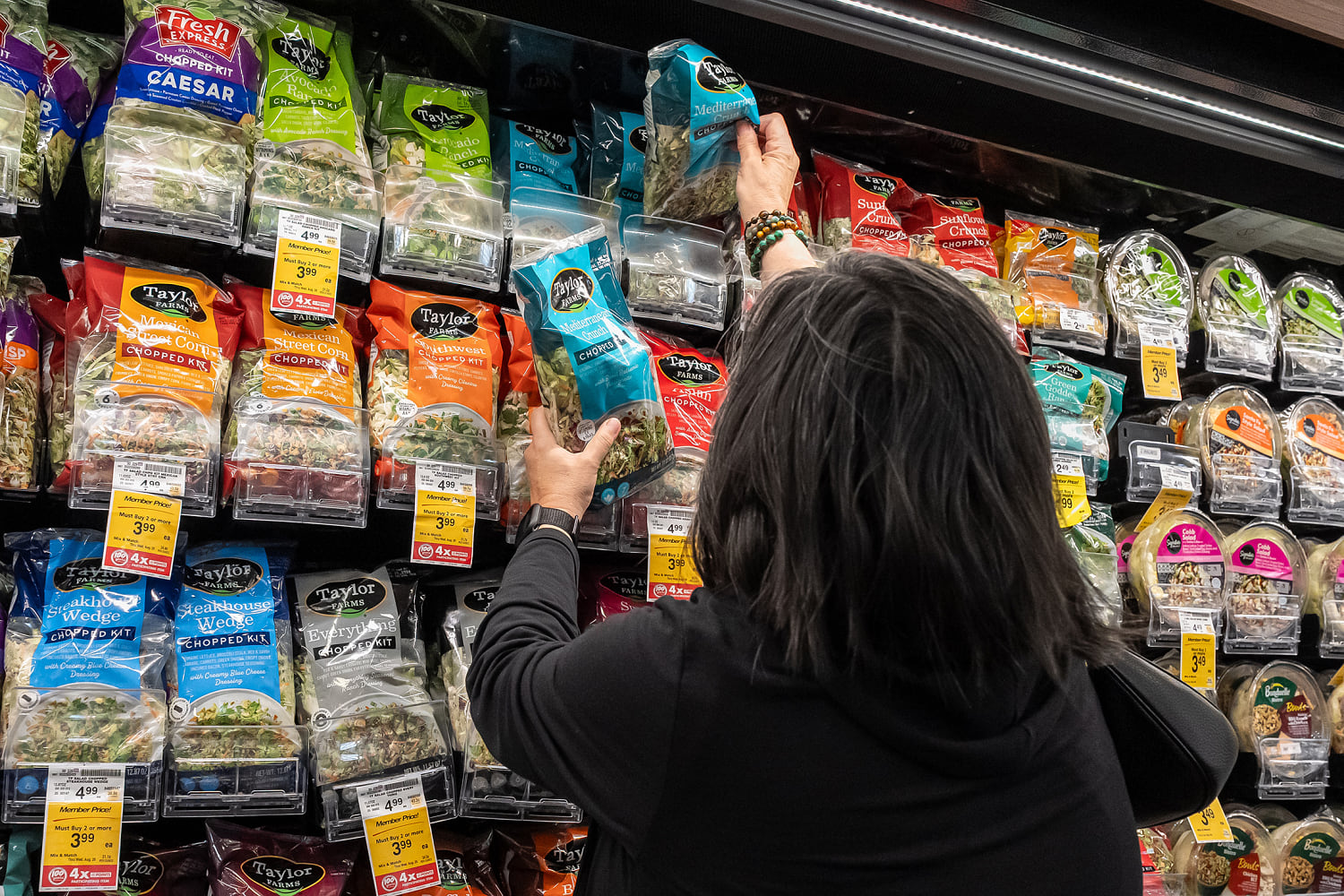
First off, it doesn't respond to typical chemical washes or surface rinses. Once the parasite attaches to the textured surface of iceberg lettuce, romaine, or cilantro, plain water won't dislodge it. Consumers who buy pre-washed bagged salads assume they're completely safe right out of the plastic, but processing plants often lack the tools to kill microscopic oocysts without destroying the product itself.
The physical reality of diagnosing and tracing this pathogen makes matters worse:
- Extremely long incubation period: Symptoms take anywhere from two days to over two weeks to show up. Try remembering every bite of food you ate fourteen days ago. It makes patient interviews a logistics headache for public health investigators.
- Protracted illness: Infection causes severe, relapsing watery diarrhea, fatigue, and stomach cramps that can drag on for a month or longer without specific antibiotic treatment like trimethoprim-sulfamethoxazole.
- Testing limitations: Lab detection in produce is notoriously difficult. False positives and false negatives regularly derail public health investigations, leaving both brands and consumers stuck in limbo while officials re-test samples.
When regulatory agencies issue warnings and then have to walk back specific laboratory test results due to false positives—as seen during major traceback efforts—it creates total chaos. Consumers don't know who to trust, retailers get stuck holding recalled inventory, and the supply chain loses millions overnight.
INCUBATION & DIAGNOSIS TIMELINE
Day 1: Contaminated produce consumed
Day 2-14: Silent parasite maturation (No symptoms)
Day 14+: Severe gastrointestinal symptoms emerge
Day 18+: Patient seeks medical care & receives targeted stool test
Day 21+: Public health epidemiological interview begins
The Breakdown in Consumer Trust
Trust in the food supply isn't built on corporate promises; it's built on predictability. When someone picks up a bag of salad at a grocery store or orders a lunch bowl from a fast-casual chain, they assume basic sanitary standards were met long before the food reached their hands.
When an outbreak hits, that implicit trust shatters almost immediately.
                                  +-----------------------------+
                                  | Contamination in Supply    |
                                  | Chain (Farms / Processing)  |
                                  +--------------+--------------+
                                                 |
                                                 v
                                  +-----------------------------+
                                  | Widespread Symptoms &       |
                                  | Multistate Case Spikes      |
                                  +--------------+--------------+
                                                 |
                                                 v
+-------------------------------+ +-----------------------------+
| Confusing Communications &    |<--| Mixed Lab Signal & Delayed  |
| Mixed Messages from Regulators| | Traceback Confirmations     |
+---------------+---------------+ +-----------------------------+
                |
                v
+-------------------------------+
| Foot Traffic Crashes &        |
| Broad Produce Category Avoidance
+-------------------------------+
The economic collateral damage spreads quickly across the industry:
1. Collateral Brand Damage
When major restaurant chains or high-profile suppliers are tied to an outbreak, foot traffic plummets almost instantly. Placer.ai data during recent food scares showed double-digit drops in restaurant visits on the exact day news broke. Even competing chains that sourced their greens from completely different regions saw foot traffic slide simply because consumers opted to avoid leafy greens altogether.
2. Category-Wide Avoidance
We saw this clearly during the 2018 Yuma romaine crisis, where suspicion around one product dragged down the entire category. Iceberg sales dropped nearly 20%, red leaf fell 16%, and overall wholesale prices collapsed. Once public fear sets in, shoppers stop distinguishing between romaine, iceberg, or butterhead—they just walk past the produce aisle completely.
3. The Danger of Public Health Retractions
When the FDA or CDC points to a specific grower or distributor, and later announces a sample was a false positive, it creates a messaging nightmare. The average shopper doesn't understand the nuances of epidemiological traceback versus direct microbiological sampling. They just hear that officials aren't sure what's going on. That uncertainty breeds cynicism.
Supply Chain Realities We Can No Longer Ignore
Why do parasite outbreaks keep happening in fresh produce? Because the modern global agricultural system relies on speed, thin margins, and highly centralized distribution hubs.
Shredded lettuce for major fast-food chains and grocery brands often comes from vast regional growing centers that shift seasonally—from central Mexico to Yuma, Arizona, to the Salinas Valley in California. A single wash-and-pack line in a centralized facility processes hundreds of thousands of pounds of greens daily. If contaminated water or an infected worker introduces a pathogen into that equipment, the facility acts as a giant multiplier, spreading the parasite across dozens of state lines before a single case is reported.
The Hard Truth: Agricultural water standards and sanitation audits in many global growing regions haven't kept pace with the scale of centralized processing. A single wash tank without proper sanitizer verification can turn a minor field-level contamination into a multistate public health emergency.
At the same time, public health infrastructure has faced real headwinds. Cuts to regulatory agency workforces and delays in implementing standardized food traceability rules leave public health teams understaffed during critical outbreak windows. Tracing a bag of mixed greens back through multiple brokers, processors, and farms takes weeks of manual work—time during which contaminated product remains on store shelves.
What Grocery Retailers and Restaurants Must Do Now
Waiting for federal agencies or trade groups to fix the produce supply chain isn't a viable strategy for brands that want to protect their customer base. Progressive grocery chains and restaurant brands are taking matters into their own hands.
Here's how food businesses can protect their customers and maintain trust when produce scares happen:
- Implement Direct-Contract Supplier DNA Testing: Don't rely solely on third-party audit certificates provided by suppliers. Leading regional grocers now run independent microbiological screening programs on private-label products to verify safety standards before goods hit distribution centers.
- Accelerate Digital Traceability: Implement batch-level QR and barcode tracking that links every case of produce back to a specific field and harvest date. If a recall happens, you should be able to isolate affected inventory within minutes, not days.
- Communicate Sourcing Transparently: When an industry outbreak occurs, don't stay silent. Post plain-language signage and digital updates clearly stating where your produce is sourced, what safety protocols are active, and whether your inventory is impacted.
- Treat Retractions Cautiously: If regulatory agencies walk back a positive test, don't treat it as an automatic green light to restore compromised supply lines without independent verification. Your brand reputation is on the line, not the regulator's.
Audit your current produce sourcing agreements today, demand full batch-level visibility from your suppliers, and establish an active customer safety communication plan before the next recall hits the news.