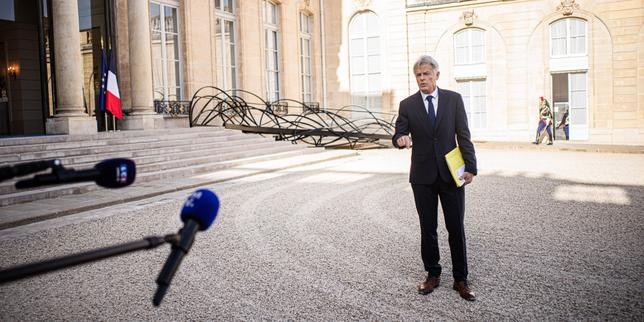
Words matter in international diplomacy, especially when they come from prominent party leaders in Europe. Recently, French political figures have ramped up their rhetoric regarding the Middle East conflict, forcing a sharp re-evaluation of how domestic political actors handle foreign policy. When a major political figure like Fabien Roussel publicly accuses the Israeli government of Benjamin Netanyahu of practicing "state terrorism", it sparks a massive chain reaction across European political landscapes.
You cannot simply drop heavy charges like state terrorism without altering the entire debate. It shifts the conversation away from diplomatic resolution and straight into emotional polarization.
The Weight of State Terrorism Accusations
Calling a foreign allied government's military actions "state terrorism" is a deliberate rhetorical choice. It breaks traditional diplomatic boundaries. For years, European left-wing leaders have walked a fine line between criticizing specific military strategies and maintaining baseline diplomatic engagement. Roussel’s framing crosses that line, putting the Israeli state on the same moral footing as non-state militant organizations.
Critics argue that this terminology ignores the security dilemmas Israel faces daily. Proponents counter that the civilian death toll in Gaza demands harsh definitions. But let's be honest about what happens next. This kind of rhetoric doesn't stop the fighting. It hardens positions on both sides. When politicians use inflammatory labels, they trade nuanced foreign policy for quick domestic headlines.
Domestic Politics Disguised as Foreign Policy
Why are French politicians so eager to take fierce stances on the Middle East? Domestic positioning plays a massive role. The French left remains deeply fractured. Figures like Roussel are constantly competing for attention with hard-left movements like La France Insoumise.
Taking an aggressive anti-Netanyahu stance serves a clear internal purpose. It signals ideological purity to a specific base of voters. Yet, foreign policy should protect national interests and foster peace, not act as a prop for domestic political maneuvering. When local debates become hostage to international conflicts, nobody wins.
The Real Cost of Extreme Rhetoric
Ramping up verbal hostility closes doors instead of opening them. Diplomacy requires parties to sit across from one another, even when relations hit rock bottom. Once you label a government a terrorist entity, you destroy the diplomatic bridge required for mediation.
France has historically played a unique mediating role on the global stage. Tossing around explosive accusations diminishes that credibility. Real leadership means proposing concrete pathways to peace, enforcing international law through steady diplomatic channels, and protecting civilian lives without resorting to cheap political slogans.
Moving forward, European leaders need to focus less on scoring points on morning talk shows and more on constructive, long-term stability. Real solutions require patience, hard compromise, and a refusal to import foreign polarization into domestic streets.