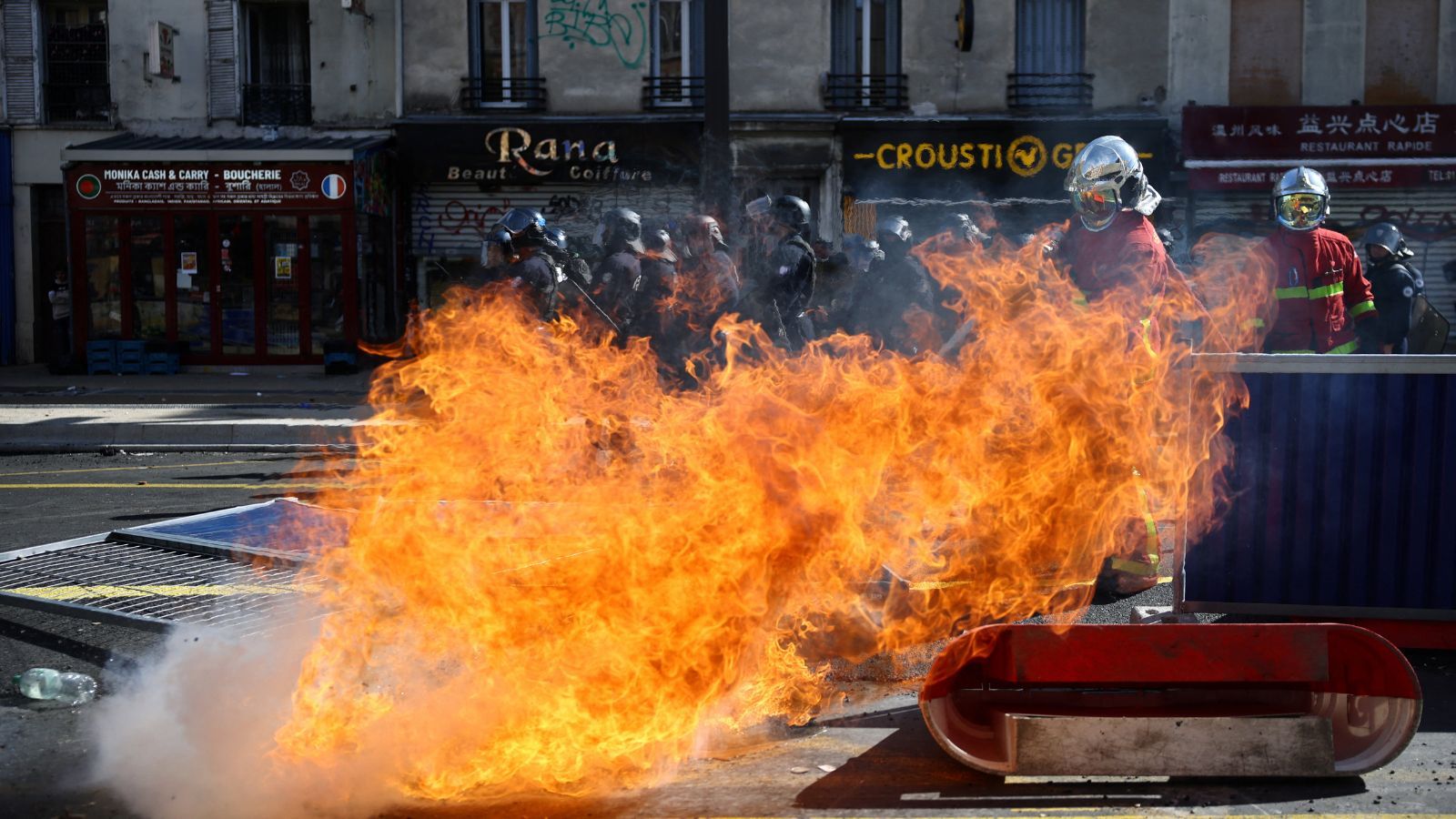
Every few years, the streets of Paris fill with teenagers holding cardboard signs, chanting slogans, and setting fire to plastic garbage bins. The media dutifully reports on a grand youth movement, a righteous uprising against the oppressive forces of the state, or an existential stand for economic justice.
It is none of those things. If you liked this article, you might want to read: this related article.
Strip away the romanticized journalism and the lazy consensus that frames these high school walkouts as historic political awakenings, and you find a much more mundane reality. This is not about pension reforms, structural inequality, or the philosophical crisis of modern capitalism. This is about skipping second-period algebra and hanging out with friends under the guise of civic duty.
Let us look past the rhetoric. The lazy consensus argues that teenagers are suddenly deeply engaged in macroeconomics and labor law. Observers point to blocked school gates and plumes of tear gas as proof of a mobilized generation. This narrative ignores human nature. Give a teenager a valid social excuse to walk away from a pop quiz, and they will march straight into a barricade of burning tires without reading a single clause of the bill they are supposedly protesting. For another look on this story, refer to the latest coverage from Al Jazeera.
I have watched this theater play out across European capitals for decades. Adults project their own ideological fantasies onto kids who just want an extended lunch break. When you interview a student standing in the middle of a blocked boulevard, the answers rarely reflect a deep comprehension of statutory retirement age adjustments. They repeat slogans they heard on social media feeds, algorithms engineered to maximize outrage rather than critical thought.
The mechanics of these walkouts rely on peer contagion. Social media turns a local prank into a national crisis within hours. A couple of dozen kids decide they do not feel like taking a chemistry exam, post a TikTok rallying cry about standing up for the working class, and suddenly a hundred high schools are gridlocked. The principals look the other way because managing a riot is harder than pretending the kids are learning civil disobedience.
Pretending this is a sophisticated political movement does a disservice to actual political discourse. Real civic engagement requires studying the boring details, reading the text of the legislation, and understanding compromise. Standing on a street corner chanting rhymes while live-streaming for clout is not activism. It is cosplay.
The tragedy here is not that teenagers are rebelling. Rebellion is their job description. The tragedy is that society encourages them to do it under false pretenses, praising them for a pseudo-intellectual conviction they do not possess. If we want young people to change the system, we should start by telling them the truth instead of validating every half-baked stunt disguised as a revolution.
Next time you see high schoolers blocking an avenue with inverted desks, do not look for the seeds of a new republic. Look for the bell schedule.