Uganda just crossed a terrifying line. If you think independent journalism in East Africa was already skating on thin ice, the military just broke the ice entirely.
Early Sunday morning, armed soldiers surrounded the Namuwongo headquarters of the Nation Media Group in Kampala. By 5:00 AM, NTV Uganda and Spark TV went completely dark. Viewers waking up across the country were met with a sterile, terrifying message: "Video unavailable." The Daily Monitor, Uganda’s largest independent newspaper, was placed under immediate military siege. Journalists who worked the night shift were booted out by men with rifles, while others were trapped inside.
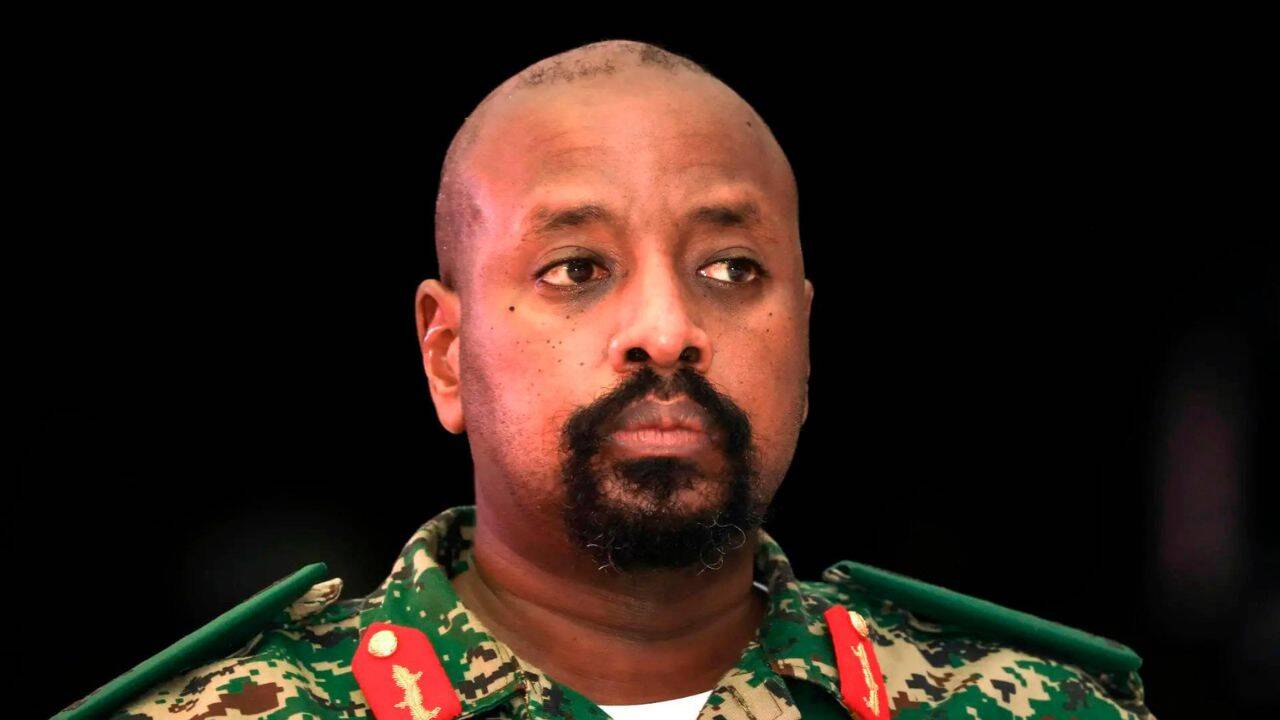
This isn't a standard regulatory dispute. It's a blatant, aggressive military takeover of the narrative. Gen. Muhoozi Kainerugaba, the country’s Chief of Defence Forces and the eldest son of President Yoweri Museveni, proudly claimed ownership of the raid on X. He didn't mince words or hide behind bureaucratic jargon.
"In Uganda, I DO NOT believe in a free press! The press should be guided by cadres of the revolution," Muhoozi posted.
Let that sink in. The man commanding Uganda’s army, the guy widely positioned to take over the presidency from his 81-year-old father, openly despises the concept of a free press. He followed up with an even more chilling warning, stating that the targeted media outlets will not reopen without his personal permission.
The Muhoozi Project Realized
To understand why this happened today, you have to look back at how Uganda got here. President Yoweri Museveni has ruled the country with an iron fist for forty years. But as Museveni ages, the real power has rapidly shifted to his son. Muhoozi has been climbing the military ranks for years, and his appointment as the top military commander consolidated his role as the de facto ruler.
This shutdown is the direct climax of what Ugandans call the "Muhoozi Project"—a long-suspected dynastic plan to transition power from father to son.
Interestingly, the Daily Monitor has been down this exact road before because of this very issue. Back in May 2013, the government shut the paper down for days after it published a leaked letter from Gen. David Sejusa. That letter alleged a state-sponsored plot to assassinate high-ranking officials who opposed Muhoozi succeeding his father. The state threw a tantrum back then, but they still tried to frame it as a criminal investigation.
Now? The mask is completely off. Muhoozi isn't pretending to follow a legal framework. He isn't waiting for the Uganda Communications Commission to issue a regulatory citation. He is using raw, unfiltered military might to silence anyone who highlights the regime's corruption or political crackdowns.
Why the State Silenced Nation Media Group
The timing of this raid isn't accidental. The state-enforced blackout follows a series of hard-hitting news reports and television features focusing on the political and security establishment. Nation Media Group outlets have consistently been "Uganda's Bold Voice," giving coverage to opposition leader Bobi Wine and documenting the systemic abuse of activists.
Muhoozi claimed his father approved the plan to crush these outlets due to "bad stories" targeting the nation's top leadership. He explicitly ordered that from now on, all major stories about Uganda must be cleared directly by his office.
This is total informational warfare. By wiping out NTV, Spark TV, the Daily Monitor, KFM, and Dembe FM, the military has eliminated the primary source of independent information for millions of citizens. It leaves a massive vacuum that the regime intends to fill with state-sanctioned propaganda, or what Muhoozi calls "cadres of the revolution."
Opposition leader Bobi Wine, who has been in hiding since the heavily disputed presidential election, summarized the grim reality on social media, pointing out that Uganda is now under open military rule where force replaces accountability.
What This Means for East African Media
The impact of this shutdown stretches far beyond the borders of Kampala. Nation Media Group is headquartered in Nairobi, Kenya, and stands as East Africa’s largest independent media conglomerate. By attacking its Ugandan subsidiary, Muhoozi is sending a clear warning to journalists across the entire region: no one is untouchable.
Organizations like the Committee to Protect Journalists have rightfully condemned the siege, calling it a deeply troubling escalation. Uganda already ranks 143 out of 180 countries on the Reporters Without Borders press freedom index. Expect that rank to plummet even further.
When a state stopped making excuses for tyranny, it entered a dangerous phase. Muhoozi isn't arguing that the media broke a law; he's stating that he owns the law. "I have the power in Uganda to shut down ANY media house I want to," he boasted online, claiming the power was given to him by his father.
For local journalists, the immediate path forward is incredibly perilous. Working as an independent reporter in Kampala now carries the threat of direct military retaliation. Newsrooms will have to adapt by shifting heavily to decentralized digital publishing, relying on encrypted networks, and leaking critical intelligence to international press networks that sit outside Muhoozi’s immediate physical grasp. The era of traditional, open independent broadcasting in Uganda is dead, and the fight for truth has just moved entirely underground.