Streets burned across France. Shops got looted. Over 1,200 people ended up in handcuffs as President Emmanuel Macron promised tough consequences.
Anyone watching the evening news saw dramatic clips of tear gas, smashed storefronts, and clashes near major squares. Yet quick wire summaries rarely tell you why a movement that started inside classrooms snowballed into nationwide chaos. Most people march in France to protest wages, prices, or strained public services. A smaller, aggressive group turns those marches into arson and looting.
When protests in France turn violent, the spark almost always comes from long-simmering daily frustrations colliding with street-level opportunism. Macron has drawn a hard line by backing security forces and pushing legal accountability. Still, arresting hundreds of suspects doesn't fix empty teaching posts, rising bills, or deep political distrust ahead of the next presidential race.
How France Protests Grew Out of Everyday Frustration
If you treat this wave of unrest like just another routine French strike, you miss what made it different from the start. Unlike movements sparked solely by a single tax or pension bill, this push gained traction in schools before spreading across major cities.
Reporting from the Times of India traces the roots back to September 17, 2026, at the Saint-Exupéry secondary school in Créteil, a working-class suburb southeast of Paris. Teachers and staff walked out over vacant positions, tight resources, and worn-down school conditions, and students soon joined in. Within weeks, school blockades and protests spread to cities like Marseille, Lille, Strasbourg, Tours, Lyon, Bordeaux, Nantes, and Rennes.
From there, the grievances widened fast. Workers, students, and activists pointed to low wages, stubborn living costs, fuel prices, and strained public services. Some participants even tried to channel the spirit of the 2018 Yellow Vest movement over social injustice.
Here is a mistake outsiders often make when reading headlines about mass unrest: lumping peaceful marchers and violent rioters into one bucket. Even on days when hundreds of thousands filled the streets—with authorities estimating around 550,000 participants and organizers putting the number closer to 800,000—the vast majority came to demand better pay, cheaper essentials, and stronger public services. Violence happened in pockets, yet those pockets dominated global coverage and shifted the political conversation toward order and punishment.
What Happened When Rallies Spilled Into Violence
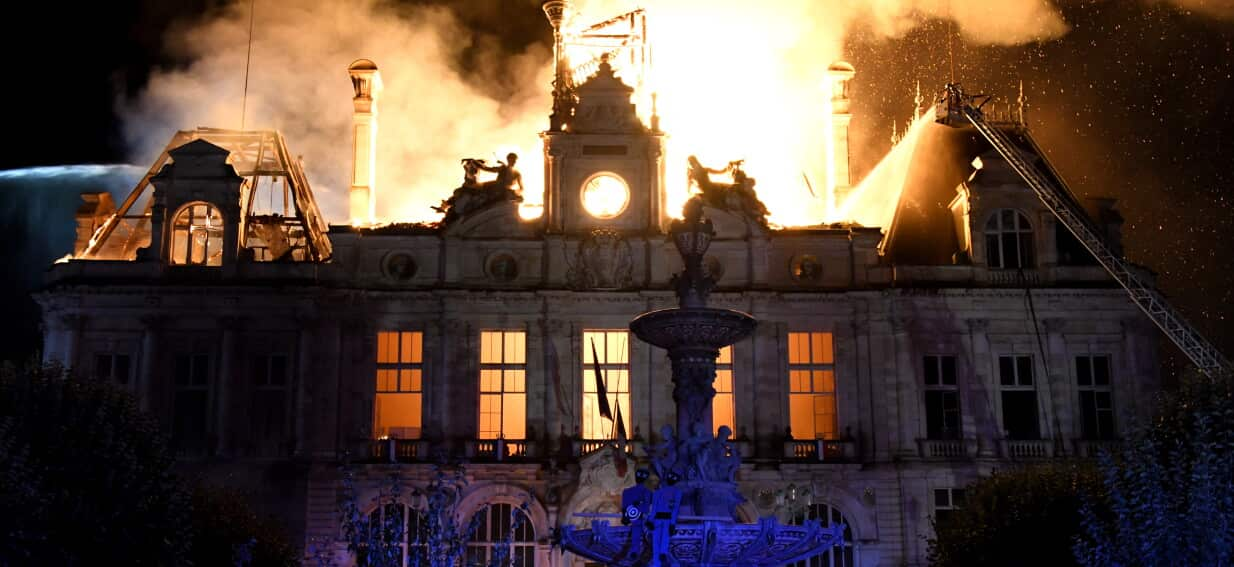
Once demonstrations hit major urban centers, the mood in flashpoint zones shifted quickly. In Paris, clashes flared around Place de la République as some groups threw projectiles, lit fires, and looted shops while police deployed tear gas and water cannons. Elsewhere, rioters targeted public buildings, including city halls, turning civic spaces into battlegrounds.
Interior Minister Laurent Nuñez reported 60 law enforcement officers injured in that wave of violence, including two taken to the hospital unconscious. Police unions warned their ranks were stretched thin and facing dangerous ambushes on the streets. Meanwhile, arrest tallies climbed past 1,200 initially and later rose to at least 2,400 as security forces cracked down across multiple days.
That raises two tough questions people keep asking after seeing those images:
- Did organized agitators drive the riots, or did anger spiral on its own? Government officials pointed fingers at alleged far-left involvement, while analysts and reporting noted that available evidence did not prove a single group orchestrated everything. Economic pressure explains why crowds turned out; street-level opportunism and confrontation explain why windows broke and fires started.
- Why did authorities struggle to contain the disorder early? Officials acknowledged shortcomings in anticipating how fast the unrest would scale and widen across cities, prompting tighter security measures, local curfews, and discussions around banning risky protests.
It's worth being honest about a blind spot in fast-moving street coverage. Early arrest numbers and viral clips travel at lightning speed, while court outcomes, verified damage tallies, and independent reviews of policing tactics take weeks to sort out. Lawyers representing protesters also moved to challenge alleged police brutality and serious injuries during clashes, showing how contested the street narrative remains.
Why Macron Vowed Action and Pushed Financial Accountability
Politically, Macron couldn't afford to look passive while town halls burned and storefronts got stripped. Backing security forces and promising prosecution sends a clear signal to nervous business owners, commuters, and moderate voters that the state still enforces the law.
Prime Minister Sébastien Lecornu also backed a proposed "pay-the-damagers" bill aimed at making those responsible for destruction cover repair costs. The logic is simple enough on paper: public budgets are tight, so taxpayers shouldn't foot the bill for vandals when that money could go toward public services.
Opposition voices framed the moment very differently depending on where they sat. Left-wing figure Jean-Luc Mélenchon leaned into revolutionary symbolism after demonstrations at Place de la Bastille, while far-right leader Marine Le Pen condemned violence and chaos while looking ahead to France's next presidential election. Honestly, every camp has an eye on what comes next at the ballot box, which makes compromise harder in the short term.
Still, a tough legal stance has limits. Prosecution and restitution laws can punish individuals caught in the act, yet they don't solve why a secondary school strike in Créteil tapped into national frustration in the first place. If households feel squeezed by prices and families feel schools and services are slipping, crackdowns alone can cool a street without cooling the resentment behind it.
Practical Ways to Follow and Navigate Unrest in France
If you're tracking this story for research, business, or travel, don't rely on dramatic social media clips alone. A few practical habits keep you grounded and safe:
- Cross-check crowd and incident numbers across outlets. Compare official ministry statements, union estimates, and major wire dispatches like Reuters or AP to separate verified facts from viral exaggeration.
- Watch policy details, not just tough speeches. Pay attention to concrete measures—like curfew zones, protest bans, policing rules, and legislative drafts such as the "pay-the-damagers" proposal—since those actually change daily life.
- Plan travel around transit and demonstration alerts. Check local prefecture notices, transit updates, and foreign government travel advisories before heading into city centers on strike or protest days.
- Separate root grievances from street crime. Keep track of ongoing debates over wages, living costs, school resources, and policing accountability so you understand why tens of thousands keep marching even after rioters get arrested.
For ongoing coverage of these developments, check the Times of India world news desk and official French government advisories before making any travel or operational plans.
This video provides visual context on the scale of the street demonstrations, arrests, and property damage reported during the unrest.