A plastic water bottle sits on a mahogany desk in Shanghai. It is unremarkable. It is clear, lightweight, and utterly silent. Most people see it as trash-in-waiting, but if you look closer, you can see the ghost of a global supply chain written in its molecular structure. That bottle is a physical manifestation of a delicate peace.
When the missiles began to cross the skies over the Middle East, that bottle started to get much more expensive.
The conflict involving Iran isn't just a matter of maps and ideologies. It is a kinetic disruption of the world’s chemistry. We often talk about war in terms of oil prices and gas at the pump, but there is a deeper, more pervasive reality hidden in the industrial parks of China. The chemical industry is the nervous system of modern manufacturing. When that system experiences a shock, the ripples don't just move through spreadsheets. They move through the lives of factory owners in Zhejiang and the wallets of consumers in London.
The Invisible Arteries
Consider a man named Chen. He owns a mid-sized factory that produces specialized plastic components for medical devices. He doesn't care about the intricacies of regional geopolitics in the sense of a diplomat, but he watches the news with a hollow feeling in his chest. For Chen, a flare-up in the Strait of Hormuz is not a headline. It is a tax.
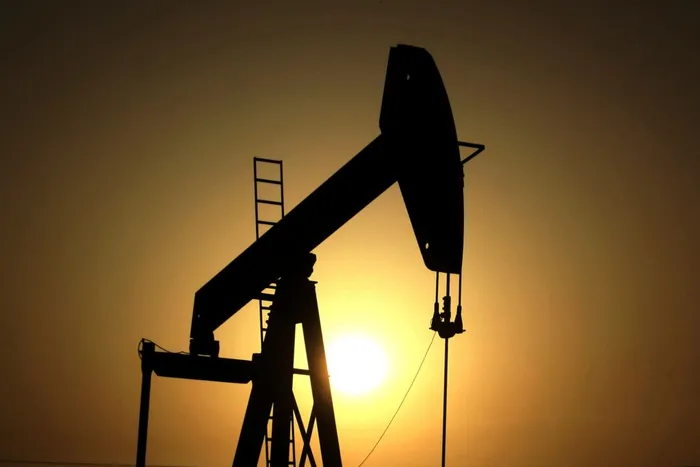
China is the world’s largest consumer of methanol. It is the literal "everything ingredient." If you want to make formaldehyde, acetic acid, or the olefins that eventually become the casing for a smartphone, you need methanol. And a staggering portion of that methanol arrives on massive tankers originating from Iranian ports.
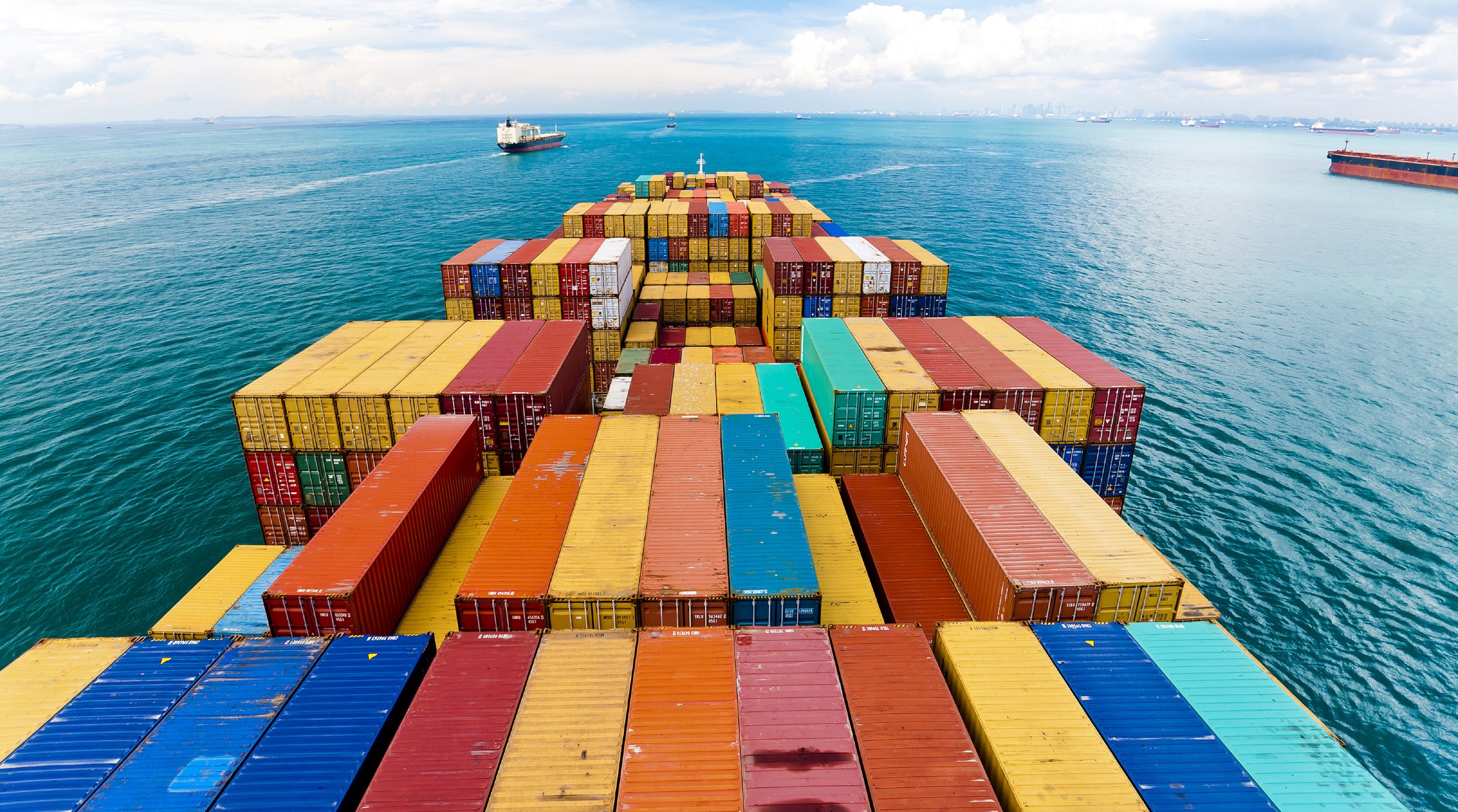
When the conflict intensified, the logistics of the Middle East transformed overnight. Insurers hiked their premiums for vessels traversing the Persian Gulf. Shipping companies began to weigh the cost of a direct route against the long, expensive journey around the Cape of Good Hope. This isn't just a delay. It is a fundamental shift in the cost of existence for a product.
The Methanol Trap
The chemistry is unforgiving. China’s "Coal-to-Olefins" (CTO) and "Methanol-to-Olefins" (MTO) plants are the titans of the industry. They take raw materials and turn them into the building blocks of the modern world: polyethylene and polypropylene. But these plants are hungry. They have a baseline appetite for methanol that cannot be ignored without shutting down the entire line.
Imagine a giant furnace that must stay lit at all costs. If the fuel becomes twice as expensive, you don’t stop feeding the furnace—you simply charge more for the heat.
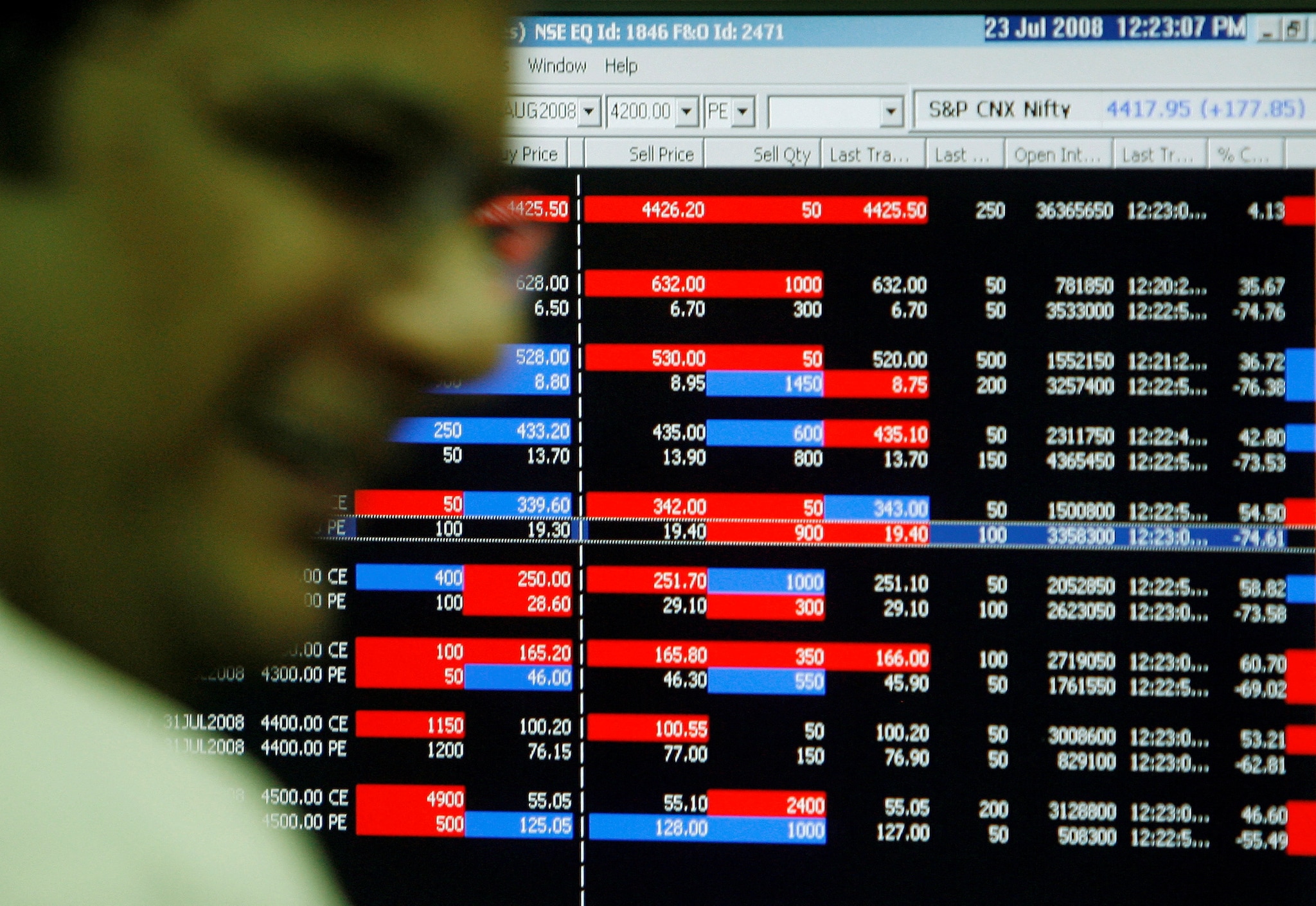
Because Iran is a primary supplier to the Chinese market, any threat to Iranian production or shipping creates an immediate supply vacuum. The prices don't just climb; they leap. In the weeks following the latest escalations, the futures market for methanol turned into a fever dream. Traders who usually deal in dry statistics were suddenly forced to become amateur military analysts. They were tracking ship transponders and satellite imagery of port facilities, trying to guess if the next shipment would ever clear the horizon.
The Price of a Polymer
Let's go back to Chen’s factory floor.
He buys polypropylene resins to feed his injection molding machines. These resins are the end product of that long, volatile chain that starts with Iranian gas and moves through Chinese chemical refineries. When the price of raw methanol spikes, the refinery passes that cost to the resin producer. The resin producer passes it to Chen.
But Chen is at the end of the line. He has contracts with hospitals and distributors that were signed six months ago. He cannot simply call them and say the price has changed because a drone hit a refinery three thousand miles away. He swallows the cost. His margins, once healthy, begin to bleed.
This is the human element of a "supply chain disruption." It is a thousand small business owners lying awake at night, wondering if they can afford to keep their staff through the next quarter. It is the subtle, creeping inflation that shows up at the grocery store, not in the price of bread, but in the price of the plastic wrap that keeps it fresh.
The Energy Paradox
There is a cruel irony in how this works. While China has worked tirelessly to diversify its energy sources, the chemical industry remains tethered to the geography of the Middle East. You can build all the wind turbines in the world, but you cannot currently "wind-power" your way into a ton of high-grade ethylene.
The reliance on Iranian imports is a strategic choice born of necessity. Iran offers competitive pricing and massive volume, two things a growing industrial giant cannot refuse. However, when that supplier becomes a central actor in a regional war, the "competitive price" suddenly includes a massive, hidden risk premium.
Crude oil usually gets the spotlight during these crises. We see the price per barrel flicker on the bottom of news broadcasts. But the chemical chain is more sensitive. Oil is a fuel; chemicals are the feedstock. If oil goes up, transport gets pricier. If methanol goes up, the very ability to create goods is threatened.
The Ripple Becomes a Wave
The pressure isn't contained to China. Because China is the "World’s Factory," a spike in their production costs is a global event. We are living through a period where the "just-in-time" delivery model is being interrogated by the reality of "just-in-case" survival.
Companies are now looking at their dependency on these chemical lifelines and realizing how thin the thread actually is. The "China + 1" strategy—where companies seek to diversify their manufacturing away from a single source—is no longer just about labor costs. It is about chemical security.
But you cannot move a massive petrochemical complex as easily as you can move a sewing circle. These facilities represent billions of dollars in sunk costs and decades of infrastructure development. They are anchored to the ground. They are hostage to the geography of their feedstocks.
A Quiet Friday in Ningbo
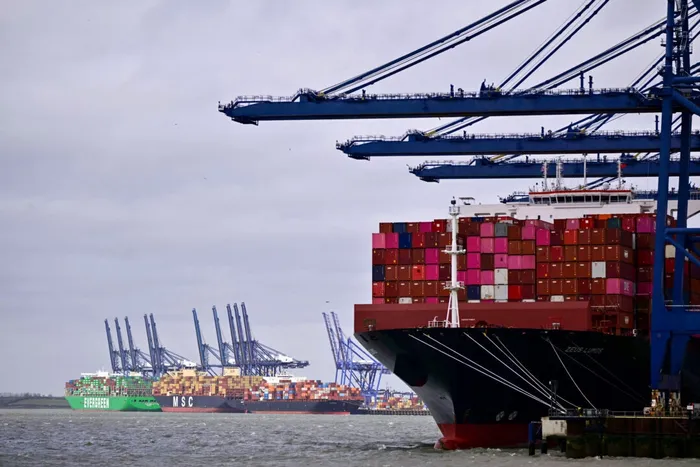
At a port in Ningbo, the cranes are still moving. From a distance, everything looks normal. The massive steel containers are stacked like Lego bricks, and the air smells of salt and diesel. But the atmosphere among the port authorities and the logistics managers is brittle.
They are waiting for the next shipment from the Gulf. Every day that a tanker is delayed, the "ghost in the machine" grows more restless. The inventory levels of methanol in Chinese ports are a bellwether for the health of the global economy. When those levels drop, the tension rises.
It is a reminder that we do not live in a world of digital abstractions. We live in a world of physical things. Those things require molecules. Those molecules require a safe passage across dangerous waters.
We often think of war as a series of loud explosions. In the global chemical industry, war is felt as a series of quiet, devastating subtractions. It is the subtraction of certainty. It is the subtraction of profit. It is the subtraction of the easy, cheap materials that we have spent the last thirty years taking for granted.
The Weight of the Future
There is no simple "fix" for this. You cannot legislate away the proximity of a chemical plant to a conflict zone. You cannot wish a new supply of methanol into existence.
The industry is currently scrambling to find alternatives. There is talk of increasing domestic coal-to-chemical production, but that carries a heavy environmental price tag and its own set of logistical nightmares. There is a push to source more from North America or Southeast Asia, but the infrastructure isn't always there to meet the sheer scale of Chinese demand.
For now, the industry waits. It watches the headlines and adjusts the price of a plastic bottle by a fraction of a cent. It adjusts the cost of a medical syringe. It adjusts the price of a car dashboard.
Chen stands on his factory floor and picks up a finished component. It is perfect. It is smooth, durable, and exactly to specification. He knows what it took to get this piece of plastic into his hand. He knows the thousands of miles it traveled and the risks taken to bring the raw gas out of the earth and through a war zone.
He puts the part back in the bin. He knows that by tomorrow, the cost of making another one will have changed again.
The ghost is no longer silent. It is screaming through the price of everything. We are finally starting to hear it.
Would you like me to analyze the specific impact of these price hikes on the European consumer market or explore how this conflict is accelerating the shift toward bio-based plastics?