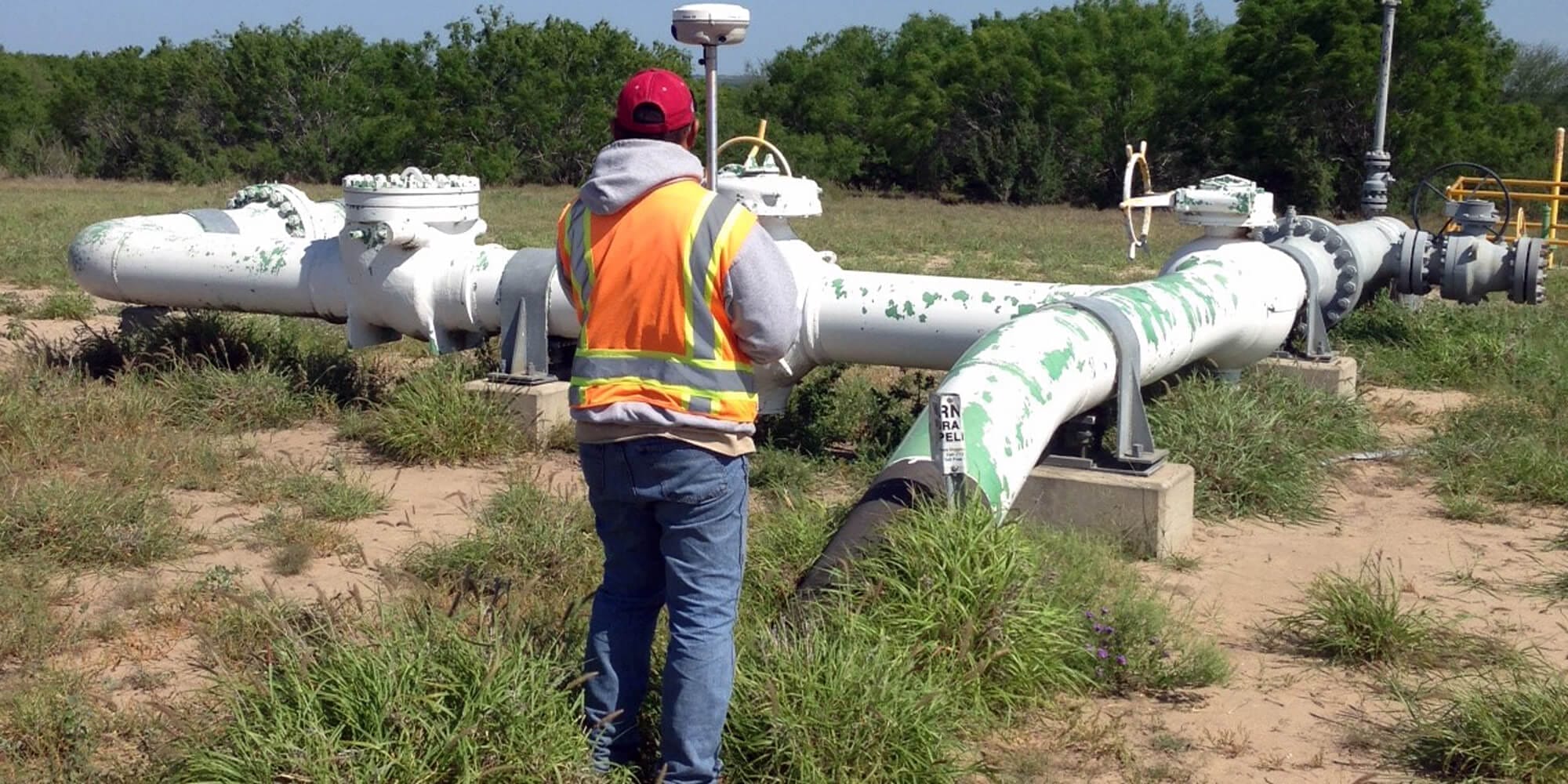
The valve at the Fishkhabur pumping station is a massive, industrial wheel of cold iron. For months, it sat motionless. If you pressed your ear against the steel casing, you wouldn’t hear the low, visceral hum of liquid wealth moving at thousands of liters per second. You would hear nothing but the wind whistling across the border between Iraq and Turkey.
When that oil stops flowing, the silence isn't just a technical failure. It is a fiscal heart attack.
In the northern reaches of Iraq, specifically within the semi-autonomous Kurdistan Region, oil is the oxygen of the economy. It pays the salaries of teachers who haven't seen a full paycheck in seasons. It fuels the generators that keep the lights on in Erbil’s crowded tea shops. It is the singular thread holding together a complex, often fragile social contract. For nearly a year, that thread was frayed to the point of snapping.
The dispute that choked the pipeline wasn't about a lack of resources. The earth is still heavy with crude. It was about a word that has started wars and ended empires: sovereignty.
The Ghost in the Pipes
For years, the Kurdish authorities in the north operated with a degree of independence that rankled the central government in Baghdad. They signed their own deals. They managed their own exports through a dedicated pipeline that snakes through the mountains and crosses into Turkey, eventually terminating at the Mediterranean port of Ceyhan.
Baghdad saw this as a violation of the constitution. They argued that every drop of Iraqi oil belongs to the entire nation, managed by a single, central hand. The International Chamber of Commerce eventually agreed, issuing a ruling that essentially froze the northern export route.
Imagine a family where the eldest son sells the harvest from the back forty acres without telling his father. The father sues the buyer. The buyer, fearing legal repercussions, closes the gate. Suddenly, the crop is rotting in the fields, and the whole family is starving because they can't agree on whose name goes on the receipt.
That is the absurdity of the Kirkuk-Ceyhan impasse. Nearly 450,000 barrels of oil per day were held captive by a legal technicality. That is roughly $30 million in lost revenue every single day. Money that could have built hospitals, paved roads, or stabilized a region that has seen enough instability to last ten lifetimes.
The Human Cost of High Finance
To understand the stakes, you have to look past the spreadsheets. Consider a hypothetical engineer named Ahmed. Ahmed works near the border. For a decade, his life was dictated by the pressure gauges of the pipeline. When the exports stopped, Ahmed wasn't just out of a job; he was out of a purpose.
He watched the prices of bread and fuel rise in the local markets while the "black gold" sat stagnant beneath his feet. He represents a generation of Iraqis who are tired of being collateral damage in the tug-of-war between Erbil and Baghdad. For Ahmed, the "sovereignty" being debated in air-conditioned rooms in Paris and Baghdad feels very different when his daughter’s school tuition is due.
The pressure didn't just affect the workers. It radiated outward, hitting international oil companies who had poured billions into the Kurdish hills. These firms found themselves in a purgatory of production. They couldn't stop pumping entirely—doing so risks damaging the wells—but they had nowhere to send the product. Storage tanks filled to the brim. Eventually, the drills stopped turning.
The Handshake in the Dust
The breakthrough didn't come because of a sudden burst of brotherly love. It came because the math became undeniable. Both sides were bleeding.
The deal reached between the Iraqi federal government and the Kurdistan Regional Government (KRG) is a masterpiece of pragmatic compromise. It isn't a final resolution of all their historical grievances, but it is a functional truce. Under the new agreement, the state-owned North Oil Company and the KRG will work under a unified framework. The marketing will be handled by SOMO—the federal oil marketing arm—but the KRG will have a seat at the table and a voice in how their specific resources are valued.
It is a delicate dance. Baghdad gets the oversight it craves to assert national unity. Erbil gets the flow of cash it needs to prevent a total economic collapse. Turkey, acting as the middleman, gets to resume its role as a vital energy corridor to the West.
But why does this matter to someone sitting in London, New York, or Tokyo?
The global energy market is a tightly woven web. When 450,000 barrels of oil are removed from the board, prices tick upward. In an era of rampant inflation and energy insecurity, the resumption of Iraqi Kurdish exports acts as a cooling balm. It adds liquidity to a thirsty market. It signals that even in the most volatile corners of the globe, economic necessity can occasionally override political ego.
The Weight of the Future
There is a temptation to see this as a "mission accomplished" moment. It isn't. The underlying tensions that led to the shutdown remain. The distribution of wealth, the exact boundaries of regional power, and the historical scars of the Ba'athist era are still very much present.
The deal is a bridge, not a destination.
Technicians are currently inspecting the lines. They are checking for corrosion and ensuring the pumping stations can handle the sudden surge of pressure. In the coming days, that cold iron wheel at Fishkhabur will begin to turn. The hum will return.
The real test won't be the first million barrels. It will be the millionth. It will be whether the officials in Baghdad and Erbil can look at the revenue statements and see more than just a balance sheet. They need to see the faces of the people who depend on that stability.
Wealth is a fickle neighbor. In Iraq, it lives deep in the earth, indifferent to the flags flying above it. For too long, that wealth has been used as a weapon in internal disputes. This deal suggests a different path—one where the resource is treated as a shared responsibility rather than a trophy to be hoarded.
The silence at the border has finally been broken by the sound of moving oil. It is a noisy, messy, industrial sound. To the people waiting for their lives to resume, it is the most beautiful music in the world.
As the sun sets over the rugged hills of the north, the silhouettes of the derricks stand like sentinels. They are no longer idle monuments to a frozen conflict. They are working again. The pipeline is breathing, and for now, the country can breathe with it.
Would you like me to analyze the specific economic impact this deal will have on global Brent crude pricing over the next fiscal quarter?