Landing a commercial airliner in the Himalayas is never routine. Mountain weather does not care about your schedule, your connecting trains, or your plans.
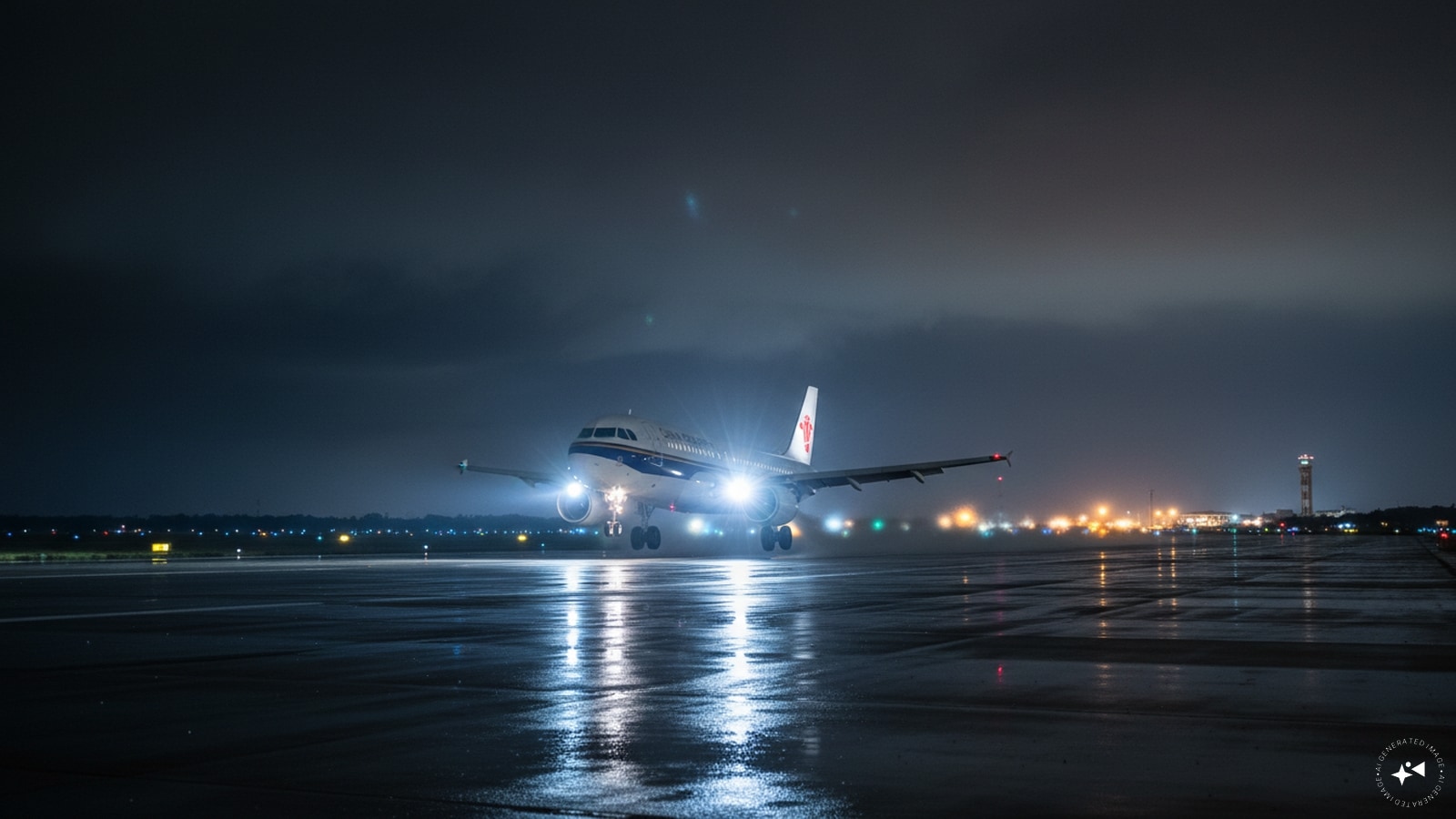
Take what happened to China Southern Airlines Flight CZ3067. The Airbus A320neo left Guangzhou, China, packed with 159 people expecting a straightforward hop into Nepal. Instead, Mother Nature threw a tantrum over Tribhuvan International Airport. Heavy storms and low visibility made descent impossible.
The pilots didn't try to force a dangerous touchdown. At 10:57 PM, they made the smart call to divert. Less than half an hour later, the aircraft touched down safely at Chaudhary Charan Singh International Airport in Lucknow, India.
The Brutal Reality of Kathmandu Aviation
Tribhuvan International Airport is notorious among commercial pilots. It is Kathmandu’s sole international gateway, tucked away in a valley surrounded by forbidding mountain ridges.
When monsoon storms roll in or heavy cloud cover drops below minimum safety thresholds, options vanish. Pilots face severe wind shear, sudden turbulence, and sharply restricted visibility. Flying an Airbus A320neo into this terrain requires absolute precision.
If conditions deteriorate below landing minimums, crews must divert immediately. There is zero room for ego in mountain flying.
Why Lucknow Becomes the Go-To Sanctuary
When flights cannot land in Kathmandu, airlines look for nearby alternates with long runways and customs clearance capabilities. Lucknow sits at a convenient distance to the south.
Flight CZ3067 made the 21-minute dash from its diversion point across international borders to land safely in Lucknow at 11:18 PM. Ground crews handled the unexpected arrival of 159 international travelers without prior notice.
Diversions are expensive and frustrating. Airlines burn extra fuel, disrupt return schedules, and trigger massive logistical headaches. Yet, safety protocols exist for a reason. Passengers onboard might have spent hours stranded on the tarmac or waiting inside the terminal, but they landed on solid ground.
What Happens When Your Flight Gets Rerouted
If you ever find yourself on a diverted Himalayan flight, expect a waiting game. Airports like Lucknow have to process unexpected international arrivals quickly, but refuelling, filing new flight plans, and managing crew duty time regulations take hours.
Airlines cannot simply jump back into the air the moment the rain stops. Pilots need updated weather briefings for Kathmandu, and air traffic control must manage a queue of other delayed aircraft vying for slots once the airport reopens.
Keep your patience intact. Pack essential medications, chargers, and snacks in your carry-on bag whenever you fly through mountain regions. Weather delays aren't a reflection of poor planning; they are a reminder that nature still runs the show. Check your airline app, listen closely to ground staff, and accept that getting there late beats not getting there at all.